Sports injuries are common among athletes and individuals engaged in physical activities. These injuries usually affect muscles, ligaments, tendons, and joints, leading to pain, swelling, and reduced mobility. Among them, ligament and muscle injuries are the most frequently reported.
Ligaments are strong bands of tissue that connect bones and stabilize joints, while muscles enable movement and support posture. When these tissues are stretched, torn, or overused, they can result in sprains, strains, or more severe injuries.
Modern sports injury treatment focuses on accurate diagnosis, effective pain management, rehabilitation, and safe return to activity. Understanding how these injuries are treated can help individuals recover faster and prevent long-term complications.
Understanding Ligament and Muscle Injuries
Sports injuries are generally categorized as acute injuries (sudden) or chronic injuries (develop over time due to overuse).
Muscle Injuries (Strains)
Muscle injuries occur when muscle fibers are overstretched or torn.
Common Causes
- Sudden movements or excessive force
- Overtraining without adequate rest
- Poor warm-up before activity
Symptoms
- Sudden pain
- Swelling or bruising
- Muscle weakness
- Limited movement
Ligament Injuries (Sprains)
Ligament injuries occur when a joint is twisted or overstretched, affecting stability.
Common Causes
- Sudden twisting or pivoting movements
- Falls or direct impact
- High-intensity sports
Symptoms
- Joint pain and swelling
- Instability or difficulty bearing weight
- A “popping” sound at the time of injury
- Reduced range of motion
Ligament injuries can range from mild stretching to complete tears, which may require surgical repair in severe cases.
Common Types of Sports Injuries
Sports injuries affecting muscles and ligaments are among the most common musculoskeletal problems.
Frequently Seen Injuries
- Muscle strains and tears
- Ligament sprains (ankle, knee)
- ACL (anterior cruciate ligament) injuries
- Tendon injuries
- Joint instability
These injuries usually occur due to overuse, improper technique, or sudden trauma during physical activity.
Initial Treatment for Sports Injuries
Early management plays an important role in recovery and preventing further damage.
R.I.C.E Method
One of the most widely recommended first-aid approaches is the R.I.C.E method, which includes:
- Rest: Avoid activities that worsen the injury
- Ice: Apply ice packs to reduce swelling
- Compression: Use bandages to support the injured area
- Elevation: Keep the injured part elevated to reduce swelling
This method is effective for mild to moderate ligament and muscle injuries.
Advanced Sports Injury Treatment Options
Modern treatment approaches depend on the severity and type of injury. Common treatment options include:
1. Non-Surgical Treatment
Many ligament and muscle injuries can be treated without surgery.
Common Non-Surgical Approaches
- Pain-relief medications
- Physiotherapy and rehabilitation
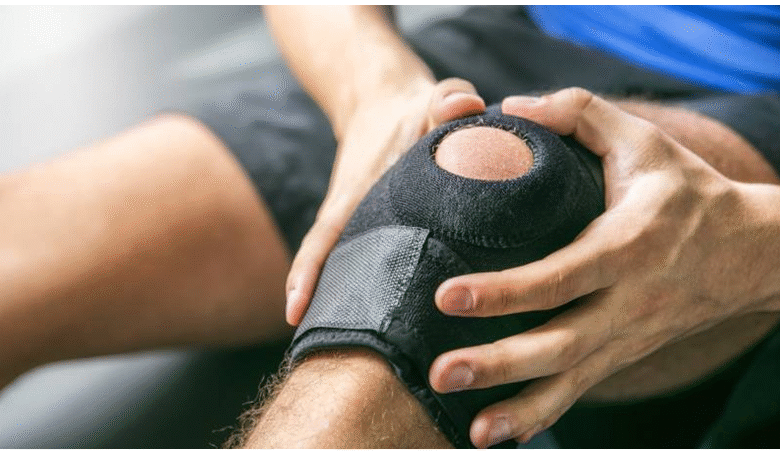
- Bracing or immobilization
- Activity modification
These treatments aim to reduce inflammation, restore movement, and strengthen the affected area.
2. Physiotherapy and Rehabilitation
Rehabilitation is a key component of sports injury treatment.
Goals of Rehabilitation
- Restore muscle strength
- Improve flexibility
- Enhance joint stability
- Prevent re-injury
Structured physiotherapy programs help individuals return to normal activities safely.
3. Minimally Invasive Procedures
When conservative treatments are not effective, minimally invasive procedures may be recommended.
Examples
- Arthroscopy (keyhole surgery)
- Ligament reconstruction
- Tendon repair
These procedures offer faster recovery and reduced complications compared to traditional surgery.
In West Delhi, individuals dealing with persistent ligament or muscle injuries commonly explore advanced care options at centers offering the best sports injury treatment in West Delhi to ensure accurate diagnosis, effective therapy, and structured rehabilitation.
4. Surgical Treatment
Surgery may be required in severe cases, such as:
- Complete ligament tears (e.g., ACL injuries)
- Severe muscle ruptures
- Joint instability
The goal of surgery is to restore joint stability, improve function, and allow a safe return to activity.
Recovery and Healing Timeline
Recovery time varies depending on the type and severity of the injury.
General Recovery Estimates
- Mild strains or sprains: a few days to weeks
- Moderate injuries: 4 to 8 weeks
- Severe injuries (e.g., ligament tears): several months
In some cases, ligament injuries may require 6 to 12 months for full recovery, especially after surgery and rehabilitation.
Importance of Rehabilitation in Sports Injury Recovery
Rehabilitation is essential for complete recovery and preventing recurrence.
Key Rehabilitation Principles
- Gradual progression of activity
- Strength and flexibility training
- Balance and coordination exercises
- Sport-specific training
Without proper rehabilitation, injuries may recur or lead to chronic problems.
When to See a Specialist
While minor injuries may heal with basic care, certain symptoms require medical attention.
Warning Signs
- Severe pain or swelling
- Inability to move or bear weight
- Joint instability
- Persistent pain lasting more than a few days
- Recurrent injuries
Early evaluation helps prevent complications such as chronic pain or long-term joint damage.
Preventing Sports Injuries
Preventive strategies can significantly reduce the risk of muscle and ligament injuries.
Tips for Injury Prevention
- Warm up before exercise
- Use proper techniques during sports
- Avoid overtraining
- Strengthen muscles regularly
- Wear appropriate protective gear
Maintaining good physical conditioning helps improve performance and reduce injury risk.
Frequently Asked Questions
What is the most common sports injury?
Muscle strains and ligament sprains are among the most common sports injuries, usually caused by overuse or sudden movements.
Can ligament injuries heal without surgery?
Yes. Mild to moderate ligament injuries can heal with rest, physiotherapy, and bracing. Severe tears may require surgery.
How long does it take to recover from a muscle injury?
Recovery time depends on severity. Minor strains may heal within weeks, while severe tears may take months.
Is physiotherapy necessary after a sports injury?
Yes. Physiotherapy helps restore strength, flexibility, and function, reducing the risk of re-injury.
When should I consult a doctor for a sports injury?
You should seek medical attention if pain, swelling, or limited movement persists or if the injury affects daily activities.
Conclusion
Sports injuries affecting muscles and ligaments are common but manageable with timely and appropriate treatment. From initial care using the R.I.C.E method to advanced therapies and rehabilitation, modern sports medicine offers effective solutions for recovery.
Early diagnosis, structured treatment, and proper rehabilitation are key to restoring mobility, strength, and performance. By understanding injury signs and seeking timely care, individuals can return to their activities safely and maintain long-term musculoskeletal health.