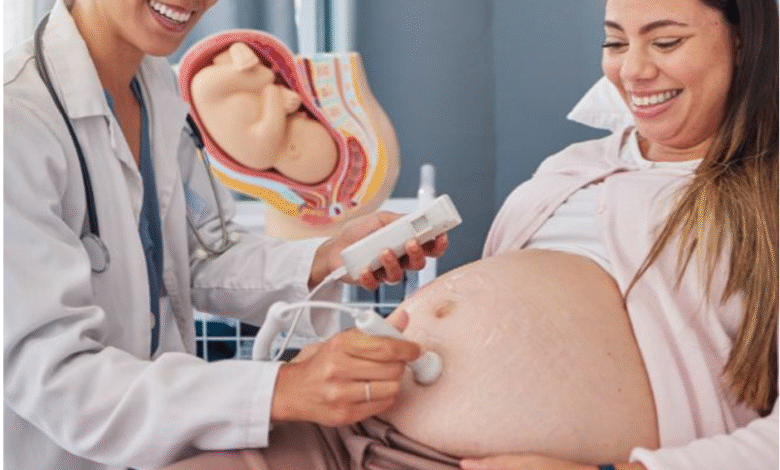
Pregnancy is a significant phase in a woman’s life that requires careful monitoring and medical support. Regular pregnancy care, also known as prenatal care, plays a vital role in ensuring the health of both the mother and the developing baby.
Prenatal care involves routine checkups, screenings, and guidance that help track the progress of pregnancy and identify any potential complications early. Visiting a maternity hospital for regular care ensures access to specialized medical support, advanced diagnostic tools, and a safe environment for both routine and emergency needs.
Understanding the importance of consistent pregnancy care can help expectant mothers make informed decisions for a healthy pregnancy and delivery.
What Is Prenatal Care?
Prenatal care refers to the medical supervision and support provided throughout pregnancy. It begins early in pregnancy and continues until delivery.
Key Components of Prenatal Care
Prenatal care typically includes:
- Regular health checkups
- Monitoring of fetal growth and development
- Blood tests and ultrasound scans
- Nutritional guidance
- Screening for potential complications
- Counseling on lifestyle and well-being
These steps help ensure that the pregnancy progresses safely and that both mother and baby remain healthy.
Why Regular Pregnancy Care Is Important
Consistent prenatal care helps identify and manage potential risks before they become serious.
Early Detection of Complications
Regular visits allow doctors to detect conditions such as:
- High blood pressure
- Gestational diabetes
- Anemia
- Infections
Early diagnosis enables timely treatment, reducing the risk of complications during pregnancy and childbirth.
Monitoring Baby’s Growth and Development
Routine checkups help track the baby’s development inside the womb.
What Doctors Monitor
- Fetal heartbeat
- Growth patterns
- Position of the baby
- Amniotic fluid levels
Ultrasound scans and other tests provide valuable insights into the baby’s health.
Ensuring Maternal Health
Pregnancy affects multiple systems in the body. Regular care helps monitor the mother’s overall health.
Areas of Focus
- Blood pressure levels
- Weight gain
- Nutritional status
- Hormonal changes
Proper monitoring helps prevent complications and supports a healthy pregnancy.
Guidance on Nutrition and Lifestyle
Nutrition plays a key role in fetal development.
Key Recommendations
- Balanced diet with essential nutrients
- Adequate intake of iron, calcium, and folic acid
- Regular physical activity (as advised by a doctor)
- Avoidance of harmful substances, such as alcohol and tobacco
Medical professionals offer personalized guidance based on individual needs.
Benefits of Choosing a Maternity Hospital for Pregnancy Care
Maternity hospitals are equipped to provide specialized care for pregnant women.
Access to Specialized Medical Care
Maternity hospitals have experienced obstetricians, gynecologists, and support staff trained to handle pregnancy-related care.
This ensures accurate diagnosis, proper monitoring, and timely intervention when needed.
Advanced Diagnostic Facilities
Modern maternity hospitals offer advanced diagnostic tools, such as:
- Ultrasound imaging
- Blood tests
- Fetal monitoring systems
These technologies help detect potential issues early and ensure appropriate care.
Emergency Support and Safety
Pregnancy complications can arise unexpectedly.
Maternity hospitals provide:
- 24/7 emergency services
- Immediate access to medical intervention
- Neonatal care units for newborns
This ensures safety for both mother and baby during emergencies.
Personalized Care Plans
Every pregnancy is unique. Maternity hospitals provide individualized care plans based on:
- Medical history
- Risk factors
- Age
- Overall health
In Delhi, many expectant mothers prioritize hospitals with comprehensive prenatal and delivery services, commonly searching for the best maternity hospital in Delhi to ensure safe and structured pregnancy care.
Stages of Pregnancy Care
Prenatal care is generally divided into three trimesters, each with specific focus areas.
First Trimester (Weeks 1 to 12)
This stage is important for early development.
Key Focus
- Confirming pregnancy
- Initial health assessments
- Screening tests
- Nutritional guidance
Early prenatal visits help establish a baseline for maternal and fetal health.
Second Trimester (Weeks 13 to 26)
This stage focuses on monitoring growth and development.
Key Focus
- Ultrasound scans
- Monitoring fetal movements
- Screening for genetic conditions
- Managing symptoms
Many women experience increased comfort during this stage.
Third Trimester (Weeks 27 to 40)
The final stage prepares for delivery.
Key Focus
- Monitoring baby’s position
- Checking for complications
- Preparing for labor and delivery
- Regular follow-ups
Doctors ensure that both mother and baby are ready for a safe delivery.
Common Tests During Pregnancy
Several tests are performed throughout pregnancy to monitor health.
Routine Tests Include
- Blood tests to check for anemia and infections
- Urine tests to monitor kidney function and sugar levels
- Ultrasound scans to assess fetal development
- Glucose screening for gestational diabetes
These tests help detect potential risks and guide treatment.
High-Risk Pregnancy Care
Some pregnancies are classified as high-risk due to specific factors.
Risk Factors May Include
- Advanced maternal age
- Pre-existing medical conditions
- Multiple pregnancies (twins or more)
- History of pregnancy complications
High-risk pregnancies require more frequent monitoring and specialized care.
Preparing for Labor and Delivery
Regular prenatal visits also help prepare for childbirth.
Preparation Includes
- Birth planning
- Understanding labor signs
- Pain management options
- Postnatal care guidance
Being prepared helps reduce anxiety and ensures a smoother delivery experience.
Emotional and Mental Health Support
Pregnancy can bring emotional changes due to hormonal fluctuations and lifestyle adjustments.
Importance of Emotional Support
- Reduces stress and anxiety
- Promotes mental well-being
- Supports healthy pregnancy outcomes
Healthcare providers may offer counseling and support resources when needed.
Frequently Asked Questions
When should prenatal care begin?
Prenatal care should begin as soon as pregnancy is confirmed, ideally within the first trimester.
How often should I visit a maternity hospital during pregnancy?
Visits are usually scheduled monthly in early pregnancy, increasing in frequency during later stages.
Why are ultrasound scans important?
Ultrasound scans help monitor the baby’s growth, detect abnormalities, and assess overall fetal health.
What happens if prenatal care is not taken regularly?
Lack of regular care may increase the risk of complications going undetected, affecting both maternal and fetal health.
Can prenatal care help prevent complications?
Yes. Regular monitoring and early detection of issues can help manage risks and improve outcomes.
Conclusion
Regular pregnancy care at a maternity hospital is essential for ensuring the health and safety of both mother and baby. Through routine checkups, diagnostic tests, and personalized guidance, prenatal care helps monitor development, detect potential risks, and support a safe delivery.
Choosing a well-equipped maternity hospital with experienced medical professionals provides access to comprehensive care throughout pregnancy. By staying consistent with prenatal visits and following medical advice, expectant mothers can take important steps toward a healthy pregnancy and a positive childbirth experience.