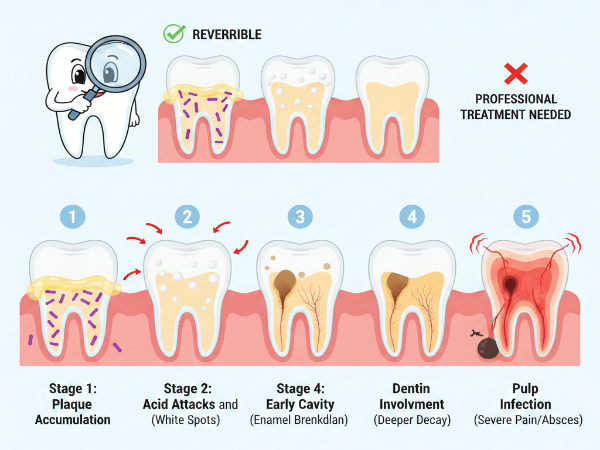
Tooth decay is one of the most common oral health issues, yet many people remain unaware of its early signs. When detected early, tooth decay can often be reversed before it develops into a cavity, saving time, discomfort, and costly treatments.
Understanding the early indicators of tooth decay and how to respond effectively is crucial for maintaining healthy teeth. This article explains the warning signs, the step-by-step progression of decay, and actionable strategies to reverse damage and prevent cavities. It also highlights why professional dental care in Singapore is an essential part of oral health maintenance.
What Is Tooth Decay?
Tooth decay, also known as dental caries, occurs when acids produced by bacteria in dental plaque gradually wear down tooth enamel. Plaque forms when bacteria feed on sugars and carbohydrates left on teeth after eating.
If decay is left untreated, it progresses from the enamel to dentin and eventually to the pulp, potentially causing pain, infection, and tooth loss. The key to preventing severe decay lies in recognizing early signs and intervening promptly.
How Tooth Decay Develops Step by Step
Stage 1: Plaque Accumulation
Plaque is a sticky film of bacteria that continuously forms on teeth. When oral hygiene is inconsistent, plaque builds up along the gumline and between teeth.
Plaque bacteria metabolize sugars and produce acids, which gradually demineralize enamel.
Stage 2: Acid Attacks and Enamel Demineralization
The acids from plaque strip essential minerals such as calcium and phosphate from the enamel. This demineralization may present as small white spots on teeth.
At this early stage, tooth decay is still reversible with proper care and fluoride exposure.
Stage 3: Enamel Breakdown and Early Cavities
If demineralization continues unchecked, enamel weakens and small holes, or cavities, start to form. Sensitivity to hot, cold, or sweet foods may occur.
Stage 4: Dentin Involvement
Once decay reaches dentin—the softer layer beneath enamel—pain becomes more noticeable. Dentin contains tubules connected to the tooth pulp, increasing the risk of infection.
Stage 5: Pulp Infection
Advanced decay reaches the pulp, leading to infection, swelling, and severe pain. At this stage, professional intervention such as root canal treatment or extraction is usually required.
Early Tooth Decay Signs to Watch For
Identifying tooth decay in its early stages allows you to reverse damage and avoid cavities. Common early warning signs include:
- White or chalky spots on the surface of teeth
- Increased sensitivity to hot, cold, or sweet foods
- Slight discoloration or yellowing of enamel
- Mild pain when chewing or biting
- Visible plaque buildup near the gumline
Early detection is critical, as enamel demineralization can often be reversed before cavities form.
How to Reverse Early Tooth Decay
1. Improve Oral Hygiene Habits
Brushing twice daily with fluoride toothpaste and flossing at least once daily removes plaque and helps prevent further enamel damage. Children should be supervised until they can brush effectively on their own.
2. Use Fluoride Effectively
Fluoride strengthens enamel and promotes remineralization. Use fluoride toothpaste, consider mouth rinses, or request professional fluoride treatments during dental visits.
3. Adjust Your Diet
Limiting sugary and acidic foods reduces acid attacks on teeth. Drinking water after meals helps neutralize acids and wash away food particles.
4. Chew Sugar-Free Gum
Chewing sugar-free gum stimulates saliva production, which naturally helps neutralize acids and supports enamel repair.
5. Schedule Regular Dental Checkups
Routine dental visits allow early detection of decay and professional cleaning. Dentists can provide advice, fluoride treatments, or sealants tailored to your risk level.
Preventing Tooth Decay Long Term
- Brush twice daily and floss regularly
- Reduce sugary snacks and drinks
- Drink water frequently, especially after meals
- Address dry mouth and other medical risk factors
- Educate children on proper oral hygiene early
Preventive habits combined with regular professional checkups create a strong defense against tooth decay.
The Role of Professional Dental Care
While home care is crucial, professional dental guidance ensures early detection, personalized preventive strategies, and timely intervention. Clinics such as Nuffield Dental in Singapore focus on preventive dentistry, patient education, and early treatment to help patients reverse early decay and maintain healthy smiles for life.
Final Thoughts
Early tooth decay often progresses silently, making early detection essential. Recognizing the warning signs and taking immediate action—through proper brushing, dietary adjustments, fluoride use, and professional dental care—can reverse damage and prevent cavities.
By partnering with experienced dental professionals like Nuffield Dental, patients in Singapore can protect their teeth, preserve enamel, and enjoy long-term oral health without the discomfort and expense of advanced dental treatments.
Frequently Asked Questions (FAQs)
1. What are the earliest signs of tooth decay?
White spots, mild sensitivity, slight discoloration, and plaque buildup near the gumline are common early indicators.
2. Can early tooth decay be reversed?
Yes, enamel demineralization can be reversed through fluoride, proper oral hygiene, and dietary changes.
3. How can I prevent cavities at home?
Brush twice daily, floss regularly, limit sugary foods, drink water after meals, and use fluoride products.
4. How often should I visit a dentist to prevent tooth decay?
Routine checkups every six months are recommended. High-risk patients may need more frequent visits.
5. Are children more prone to tooth decay?
Yes, children are at higher risk due to developing enamel, dietary habits, and sometimes inconsistent brushing. Early education is essential.