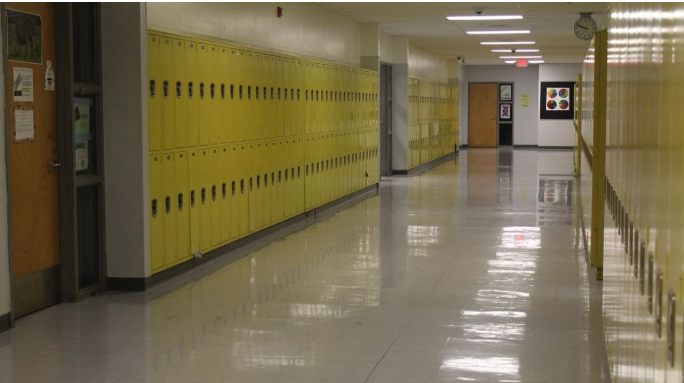
Lockers that are used in schools have become a necessary factor in contemporary educational institutions around the United Kingdom. These convenient storage solutions are not only useful in ensuring the safety of the personal items of the students, but it is also significant in ensuring organisation, responsibility, and a more productive learning environment. This is a guide that defines all that you need to know about school lockers, their pros and cons, types of school lockers, features of school lockers, and good practices in selecting the ideal solution for your school.
What Are School Lockers?
In their most basic form, school lockers are special-purpose storage areas mounted in corridors, cloakrooms, and even in classroom areas to give pupils a safe place to store and keep books, bags, sports equipment, and personal goods during the school day. They are commonly constructed of hardy materials like steel, laminated board, or another tough finish, which is expected to take day-to-day wear and tear in the crowded learning environment.
Why School Lockers Are Important
School lockers even do more than hold something. They add up to the school atmosphere in a number of matters:
Encourages Organisation and Responsibility
Giving individual lockers to the pupils will make them responsible for their learning materials by organising them well and being in charge of them. This develops life qualities of time management and personal accountability.
Promotes a Tidy and Productive Learning Environment
Disorders in classrooms and corridors may interfere with the educational mission and create a risk. School lockers serve to alleviate this problem by providing a specific location to store personal items, improving concentration, and reducing clutter.
Enhances Safety and Security
The use of lockers eliminates the chances of misplaced or stolen products. Pupils and staff have the advantage of knowing the safety of valuable belongings with the help of secure compartments that can be equipped with locking features such as key locks, combination locks, or digital locks.
Supports Physical Health
During the day, they carry heavy bags between classes, and this may put a strain on their backs, leading to posture-related issues. A locker guarantees that pupils do not carry everything during the day throughout the school, which is beneficial to their well-being and helps them to free up material load, leading to physical stress.
Types of School Lockers
The materials, sizes, and lock mechanisms should be taken into account when selecting school lockers. The most prevalent are the following, in the UK education settings:
Steel Lockers
These are strong, durable lockers that are made of powder-coated steel. Older pupils and high traffic areas are also likely to use steel lockers because they are impact and wear-resistant.
Wooden or Laminate Lockers
Laminate and wood-based lockers contain a more sophisticated appearance, hence are appropriate to be used in classrooms or in a school with a custom design need. These units can also be very customised regarding colour and finish.
Plastic Lockers
Plastic lockers are also light and can be easily cleaned, hence suitable in primary schools or in places where moisture and hygiene are of special concern.
Multi-level and Multi-tier Lockers.
These are space-saving solutions with smaller compartments one atop of the other or at the cluster level. They fit well in the schools that have small corridors or in cases where there are smaller items to be stored.
Key Features to Consider
Considering the most appropriate school lockers in your environment, one should remember that they should have the following characteristics:
Lock Options
Depending on the level of security requirement, the schools can select the traditional key lock, combination locks, padlocks, or more sophisticated digital locking systems.
Adjustable Shelving
Adjustable shelf lockers enable the pupils to make the locks their own storage space in terms of either books, jackets, or electronic gadgets.
Durability and Finish
The lockers are made of 18mm MFC ( Melamine Faced Chipboard ) with ABS edging or solid laminate doors, which makes the lockers very strong and capable of supporting daily use.
Where to Place Lockers in Schools
It aids in the effectiveness of school lockers; this is achieved through the strategic positioning of the school lockers:
- Corridors: This means allowing easy access between lessons and maintaining the organisation of the hallways.
- Cloakrooms: PE kit cloaks and outdoor apparel can be put in cloakrooms, which ensures that classrooms are not cluttered.
- Classroom Edges: This is appropriate where the teacher can use lockers as a part of classroom set-up planning.
- Dedicated Locker Areas: This involves the establishment of areas that are solely intended to be used by the pupils to retrieve their belongings without interfering with the traffic.
Best Practices for Implementation
The achievement in implementing school lockers in your schooling requires careful planning:
Conduct a Needs Assessment
Evaluate the number of pupils, the amount of available space, and the average size and quantity of storage necessary, and then choose locker sizes and quantities.
Customisation and Branding
Select lockers with classroom colours and finishes that will depict the identity of the school. Custom alternatives will also sometimes accommodate interior schemes.
Safety and Accessibility
Make sure that lockers are placed at different levels, particularly for primary school learners, so that it becomes easily accessible and accommodating to all ages.
Clear Usage Policies
Develop policies regarding lock usage, access privileges, and locker etiquette in order to ensure security and equity for students.
The Future of School Lockers
With the change in schools comes the change in the locker design. The way to modern solutions is lockers with in-built device charging ports, electronic lockers with electronic access control, and modular units, which can be modified over time as needs evolve. The implementation of flexible learning environments in schools will result in well-designed locker systems that make the school student-focused, secure, and well-organised.
Conclusion
School lockers are far more than just a storage facility, it is an investment in organisation, student health, and learning areas. Using the appropriate locker type, which must be chosen with care for various attributes, including durability, security, and positioning, the institution of learning can develop environments that accommodate schoolchildren, other students, and teachers. School lockers can be a great learning tool with the right strategy, which would make them independent, secure, and the best in the classroom.