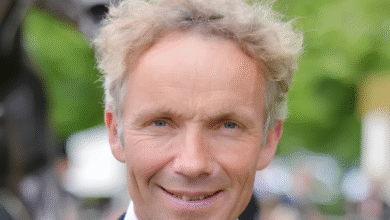
Simon Booth: The Visionary Director of Property and Facilities Leading Workplace Innovation
Exploring Simon Booth’s Career, Achievements, Personal Life, and Impact on Modern Workspaces


Simon Booth is a highly respected facilities and property management professional, currently serving as the Director of Property and Facilities at Moore Kingston Smith, one of the UK’s leading accountancy and advisory firms. Known for his expertise in delivering strategically aligned services across UK and EMEA portfolios, Booth has transformed the way organisations approach workplace design, operational efficiency, and employee experience. His work bridges property management, sustainability, and workplace strategy, positioning him as a key leader in modern corporate facilities.
Who Is Simon Booth? An Introduction to His Professional Life
Simon Booth has established himself as a prominent figure in the field of property and facilities management, particularly within corporate environments. His leadership at Moore Kingston Smith demonstrates how strategic facilities management contributes directly to business growth, operational resilience, and employee engagement.
As Director of Property and Facilities, Booth is responsible for overseeing the firm’s offices, workplace strategy, and facilities operations across the United Kingdom and Europe, the Middle East, and Africa (EMEA). This role involves collaboration with multiple teams, including human resources, IT, and sustainability experts, to ensure the company’s physical environment supports both its operational goals and cultural values.
Booth’s career trajectory reflects a deep commitment to transforming workplaces into dynamic, efficient, and sustainable spaces that enhance both employee experience and organisational performance. Unlike traditional facilities managers, Booth’s approach focuses on strategy, innovation, and cross-functional collaboration.
Early Career and Professional Development
While public information about Simon Booth’s early life and education is limited, his rise to a senior leadership role suggests extensive experience in facilities, property, and workplace management. Professionals in this field often begin in operational roles, such as facilities coordinator or property officer, and gradually move into strategic leadership positions.
Over the years, Booth has honed skills in:
-
Workplace planning and design
-
Facilities operations management
-
Cross-regional coordination
-
Sustainability and corporate governance in property
These skills have allowed him to lead workplace transformations that align with the strategic objectives of the organisations he serves.
Simon Booth at Moore Kingston Smith: Role and Responsibilities
In his current role, Booth’s responsibilities include:
Workplace Strategy
Booth plays a central role in creating modern, flexible, and collaborative work environments. By understanding the needs of employees and organisational goals, he ensures that office spaces are designed to support productivity, creativity, and engagement.
Facilities Operations
He oversees the smooth running of all operational aspects of Moore Kingston Smith’s offices. This includes managing building maintenance, vendor relationships, health and safety compliance, and workspace logistics.
Strategic Alignment Across Regions
Booth’s responsibilities extend beyond the UK, covering Moore Kingston Smith’s EMEA offices. He ensures that facilities practices and workplace strategies are consistent, efficient, and tailored to each region’s unique requirements.
Sustainability and Corporate Responsibility
Sustainability is a core component of Booth’s work. He ensures that facilities management practices incorporate environmentally responsible policies, helping the firm reduce its carbon footprint and support long-term sustainability goals.
Impact on Modern Workplace Design
Simon Booth is recognized for promoting innovative workplace solutions that adapt to changing work patterns, such as hybrid working. Some key initiatives under his leadership include:
-
Transitioning traditional office layouts into flexible, collaborative spaces
-
Implementing technology-driven workplace solutions
-
Enhancing employee experience by integrating wellbeing and comfort into office design
-
Promoting energy-efficient and environmentally sustainable practices
These initiatives demonstrate how Booth views property and facilities management as a strategic enabler rather than just an operational necessity.
Leadership Philosophy and Team Culture
Simon Booth’s leadership philosophy emphasizes:
-
Collaboration: Working closely with multiple departments to ensure the workplace aligns with business strategy
-
Innovation: Implementing new technologies and designs that enhance efficiency
-
People-Centric Approach: Focusing on employee wellbeing and engagement
-
Strategic Thinking: Aligning facilities management with long-term business objectives
This approach has allowed him to foster a culture of excellence and accountability within his teams, enhancing both operational performance and employee satisfaction.
Simon Booth Age, Family, and Personal Life
Unlike public figures, Booth maintains a private personal life. As a result:
-
Age: His exact age is not publicly available. Based on career progression, he is estimated to be in his late 40s to mid-50s.
-
Family: No verified information about his family, marital status, or children is publicly documented.
-
Privacy: Booth prefers to focus on his professional contributions rather than personal exposure, which is common among senior corporate leaders.
Simon Booth Net Worth
Simon Booth’s net worth is not publicly available. As a senior director in a leading professional services firm, he likely earns a substantial salary commensurate with executive-level positions in property and facilities management. However, without verified financial disclosures, any estimates would be speculative.
Simon Booth Wikipedia
Currently, Simon Booth does not have a dedicated Wikipedia page. Information about him is primarily available through professional and industry publications, corporate announcements, and facilities management news outlets. This absence highlights his focus on professional contribution rather than public recognition.
Key Achievements and Contributions
Although not widely publicized, Simon Booth’s impact is evident through:
-
Strategic Workplace Transformations: Successfully leading the design and implementation of modern office environments that support flexible and hybrid work models.
-
Operational Excellence: Managing facilities operations across multiple regions with efficiency and reliability.
-
Sustainability Initiatives: Promoting environmentally responsible property management practices.
-
Leadership Recognition: Being acknowledged as an influential professional within facilities management networks.
These achievements reinforce his reputation as a leader who combines operational expertise with strategic vision.
Challenges in Facilities and Property Management
Facilities and property leaders face complex challenges, many of which Simon Booth navigates, including:
-
Adapting to rapidly changing workplace trends, such as remote and hybrid work models.
-
Balancing cost efficiency with employee experience.
-
Ensuring compliance with health, safety, and environmental regulations.
-
Integrating technology into building operations without disrupting workflow.
Booth’s ability to manage these challenges effectively highlights his strategic thinking and operational agility.
The Role of Facilities Management in Modern Business
Booth’s work exemplifies the evolving importance of facilities management:
-
Workplace as a Strategic Asset: Offices now play a crucial role in culture, collaboration, and productivity.
-
Sustainability Leadership: Facilities leaders influence an organisation’s environmental footprint.
-
Employee Engagement: Well-designed workspaces enhance morale and retention.
-
Business Continuity: Facilities operations ensure organisations can function smoothly during crises.
Simon Booth demonstrates how a senior facilities leader can directly impact business success, far beyond traditional operational duties.
Lessons From Simon Booth’s Career
-
Strategic Vision Matters: Facilities management is most effective when aligned with organisational goals.
-
Adaptability is Key: Embracing new technologies and flexible work patterns ensures relevance.
-
People Are Central: Workplace design should prioritize employee wellbeing and collaboration.
-
Sustainability Is Essential: Modern facilities leadership integrates environmental responsibility into core operations.
These lessons offer insights for aspiring facilities professionals aiming to combine strategy, innovation, and operational expertise.
Conclusion: Simon Booth’s Professional Legacy
Simon Booth represents the modern era of property and facilities leadership. While personal details such as his age, family, and net worth remain private, his professional impact is clear:
-
Transforming workspaces to support collaboration, flexibility, and efficiency.
-
Driving operational excellence across UK and EMEA offices.
-
Integrating sustainability and corporate responsibility into facilities management.
By prioritizing strategic alignment, employee experience, and innovation, Simon Booth continues to shape how businesses approach the workplace, setting a benchmark for future leaders in property and facilities management.
His career serves as an example of how operational roles, when executed strategically, can become pivotal drivers of business success, highlighting the evolving importance of facilities management in today’s corporate landscape.