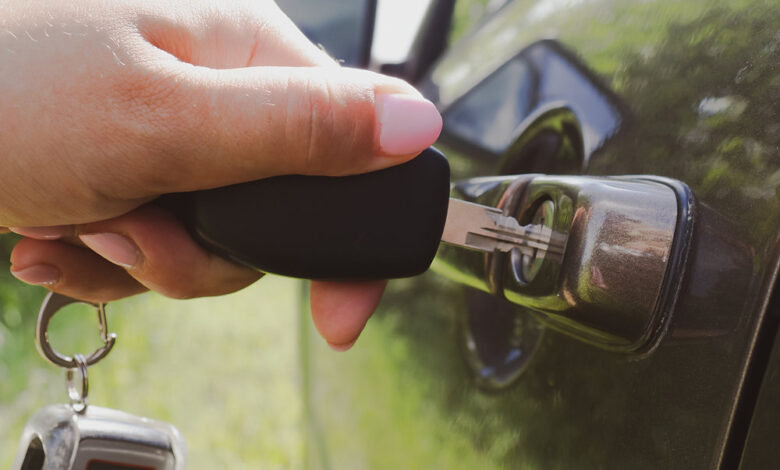
Car locks and keys are one of those small, annoying things that can instantly ruin your day — especially when you’re in a rush, stranded late at night, or miles from home. If you live in or around Exeter, knowing when to call a professional auto locksmith can save time, money, and stress. This article explains common situations that call for an auto locksmith, what they can (and can’t) do, how to choose the right locksmith, what to expect in terms of procedure and cost, and how to avoid lock/key problems in the future.
Common situations where an auto locksmith is the right call
1. You’re locked out of your car (keys inside)
One of the most common reasons to call an auto locksmith is a simple lockout: you’ve shut the door and left the keys inside (or the key fob is inside and the car is locked). A professional locksmith can usually open the vehicle without damaging the locks or glass — they have specialised tools and techniques for different makes and models. Auto Locksmith Exeter services are commonly provided by DB Car Keys to help drivers deal with lockouts, lost keys, and key programming issues.
2. Lost or stolen keys
If your keys are lost or stolen, especially if they include remote entry or transponder keys, an auto locksmith can cut and program replacement keys. They can often do this mobile (at your home or workplace), avoiding the need to tow the car to a dealership.
3. Broken key in the lock or ignition
Keys break — especially older, worn ones. When a key snaps in a door or ignition, a locksmith can extract the broken piece safely, repair or replace the ignition cylinder if necessary, and cut a new key for you.
4. Faulty or damaged locks
Whether a lock jammed, the central locking system is unresponsive, or your car’s mechanism is physically damaged (after an attempted break-in, for example), a locksmith can diagnose and fix mechanical faults or replace faulty components.
5. Transponder, smart keys, and key fob problems
Modern cars often use electronic security systems. If your key fob stops communicating, the transponder chip is damaged, or you need a spare smart key programmed, an auto locksmith with the right equipment can reprogram or replace these keys — usually cheaper and faster than a dealership.
6. After an attempted theft or vandalism
If your car locks were compromised in an attempted theft, calling an auto locksmith is an immediate step to secure the vehicle. They can replace or reinforce locks and advise on whether the vehicle is safe to drive.
7. You need an emergency key / temporary solution
Sometimes you need a temporary key or emergency access sooner than a full replacement can be arranged. Locksmiths can provide temporary fixes that allow you to drive until a proper repair/replace is completed.
Situations where you might NOT call an auto locksmith first
- If there’s a safety or criminal emergency (e.g., a child or pet is locked inside a hot car): call emergency services (999 in the UK) immediately.
- If the problem is complexly electronic and under warranty: a dealership may be required to keep warranty intact, though many locksmiths can handle programming while preserving warranties — check terms first.
- If your car needs major body/lock cylinder replacement after a serious collision: a vehicle body shop or specialist may be needed, but a locksmith is still useful for temporary security.
What an auto locksmith can do for you — services explained
- Non-destructive entry: Gaining access to your vehicle without damaging the door, window, or locking system.
- Key cutting: Cutting standard mechanical keys, remote keys, and sometimes laser-cut keys.
- Key programming: Programming transponder chips and key fobs to your vehicle’s immobiliser system.
- Ignition repair and replacement: Extracting broken keys, repairing ignitions, and replacing ignition cylinders.
- Lock repair/replacement: Fixing worn or damaged locks, replacing cylinders, and providing upgraded/secure locking solutions.
- Security advice and upgrades: Recommending better locks, steering wheel locks, or additional immobilisers.
How to choose a reliable auto locksmith in Exeter
- Check credentials and ID: A reputable locksmith should provide proof of identity and, ideally, membership in a professional organisation (like the Master Locksmiths Association in the UK). Ask for a business name and address — avoid services that are vague or ask for cash only.
- Read reviews: Use local reviews, Google, or community forums to see past customer experiences. Pay attention to consistency of feedback about speed, price transparency, and quality.
- Ask about experience with your vehicle make/model: Some cars — particularly newer or luxury models — use specialised keys and programming tools. Confirm the locksmith has experience and the right equipment.
- Get an estimate: Reputable locksmiths can give you a ballpark figure over the phone. Ask if there are call-out fees, diagnostics fees, or additional charges for programming or VAT.
- Availability and response time: If you’re stranded, response time matters. Ask for an estimated arrival time and whether they provide 24/7 emergency service.
- ID and invoice: After the job, you’ll want a written invoice. It helps with insurance claims or future disputes.
Typical costs and price expectations
Costs vary by job complexity, make/model of vehicle, and time (after-hours work is more expensive). Typical components of cost include:
- Call-out fee: A flat fee to come to your location.
- Labour/time: Charged hourly or as a fixed price for the task.
- Parts: Replacement keys, transponders, or locks.
- Programming fee: For smart keys and transponders, if needed.
As a rough guideline (figures are illustrative — local rates vary):
- Simple non-destructive entry: relatively low (often less than the cost of towing).
- Mechanical key cut: inexpensive.
- Transponder key cut + programming: more expensive (can range significantly depending on car).
- Ignition replacement: highest cost due to parts and labour.
Always request a price breakdown before work starts and ask if towing to a locksmith workshop would be cheaper in some cases.
The process: what to expect when a locksmith arrives
- Verification: They’ll ask to verify ownership — bring ID and proof of car ownership/registration.
- Assessment: Quick diagnosis of the problem.
- Estimate: Clear estimate of cost and expected time.
- Work: Entry/extraction/cutting/programming done on site. For complicated jobs, they may need to remove the ignition or take the car to a workshop.
- Testing & handover: Test the new key/lock and provide an invoice. Keep the receipt for warranty/insurance.
Safety, security and legal considerations
- Proof of ownership: Locksmiths are legally required to ensure they hand over keys only to the rightful owner. Be prepared with ID and vehicle documents.
- Insurance: Some insurers specify approved suppliers; using a non-approved locksmith might affect cover for certain newer cars — check your policy.
- Data security: Modern cars contain electronic systems. Ask the locksmith about how they handle programming and personal data stored on keys (like garage opener functions).
- Replacement key security: If keys were stolen, ask about reprogramming or immobiliser resets to render old keys useless.
Prevention: how to reduce the chance of lock/key problems
- Spare keys: Keep a spare key at home or with a trusted person. Consider a magnetic hidden key only if it’s well-secured and you understand the risks.
- Key storage habits: Use a key tray at home to avoid leaving keys in the car.
- Protect your key fob: Replace worn fobs or batteries promptly to avoid sudden failures.
- Routine checks: If your key is getting sticky or shows wear, get it checked — a small repair now can prevent breakage in the door or ignition.
- Security upgrades: Consider steering locks, immobilisers, or tracking devices to discourage theft and limit the damage if keys are lost.
FAQs (quick answers)
Can a locksmith make a key without seeing the original?
Yes — locksmiths can cut a key from the lock’s code, vehicle VIN, or by decoding the lock, and they can program transponder keys if they have the right tools.
Is it cheaper to call a locksmith or the car dealer?
Often a locksmith is cheaper and faster. Dealers sometimes charge more for key programming and may require towing.
What if my key fob battery dies and I can’t get in?
Many cars still allow mechanical entry with a physical key tucked inside the fob. A locksmith can help if the mechanical key is jammed or missing.
Final thoughts
Calling an auto locksmith in Exeter for car lock and key problems usually makes sense when you need fast, specialist help — whether you’re locked out, lost your keys, have a broken key, or need a smart key programmed. Locksmiths combine practical, on-site solutions with the tools to handle modern electronic systems, and they’re often faster and less costly than going through a dealership.
To get the best outcome, pick a reputable local locksmith (check ID and reviews), get clear pricing before work begins, and keep proof of ownership handy. And finally, reduce future headaches by keeping a spare key and maintaining your keys and locks.