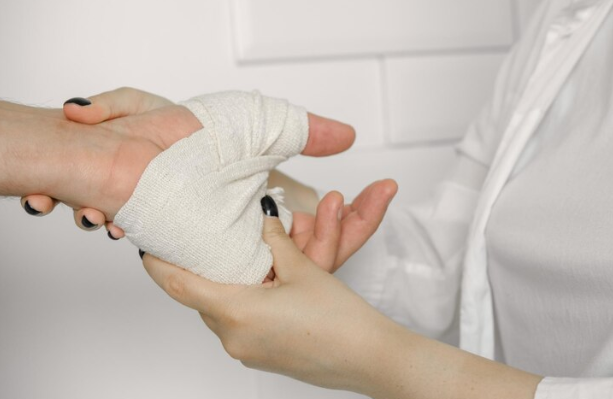
The scaphoid is a small but vital bone in the wrist that plays an important role in movement and stability. Because of its position near the base of the thumb, it is one of the bones most at risk of injury, particularly from falls or sports-related accidents. A scaphoid fracture can be painful, limit movement, and, if left untreated, may lead to long-term complications such as arthritis or reduced wrist function.
When fractures are more severe or do not heal with conservative care, scaphoid fracture surgery may be necessary. Understanding the procedure, recovery process, and associated concerns such as numbness in hands treatment helps patients make informed decisions about their care.
Understanding the Scaphoid Bone
The Role of the Scaphoid
The scaphoid is located on the thumb side of the wrist and connects the two rows of small carpal bones. It supports motion, strength, and stability when gripping or lifting objects. Because it has limited blood supply, healing can be slower compared to other bones.
Causes of Scaphoid Fractures
Most scaphoid fractures occur when someone falls onto an outstretched hand, forcing the wrist backward. Athletes in sports such as football, skateboarding, or cycling are particularly prone to this type of injury.
Symptoms of a Scaphoid Fracture

Common Signs
- Pain and tenderness at the base of the thumb
- Swelling around the wrist
- Reduced grip strength
- Pain that worsens when lifting or twisting the wrist
Complications if Untreated
Because symptoms may sometimes feel mild, scaphoid fractures are occasionally mistaken for sprains. However, without proper treatment, the fracture can fail to heal (a condition known as non-union), leading to stiffness, weakness, and arthritis later in life.
When Scaphoid Fracture Surgery is Needed
Non-Surgical Treatment Options
Minor or stable scaphoid fractures can often be managed with a cast or splint for several weeks. In some cases, doctors may also recommend bone stimulation therapy to promote healing.
Indications for Surgery

Surgery may be recommended if:
- The fracture is displaced (the bone fragments have moved out of position)
- Conservative treatments have failed to heal the bone
- There is poor blood supply to the fractured area
- The fracture extends into the joint
Surgery aims to stabilise the bone, restore wrist function, and prevent long-term complications.
How Scaphoid Fracture Surgery is Performed
Surgical Techniques
The procedure usually involves repositioning the bone fragments and securing them with screws or pins. This allows the bone to heal in the correct alignment. Depending on the fracture, the surgeon may make a small incision in the wrist or thumb area.
Bone Grafting
In cases where the fracture does not heal properly due to poor blood supply, bone grafting may be required. This involves taking a small piece of bone tissue, often from the forearm or hip, and placing it in the fracture site to stimulate healing.
Recovery in Hospital
Scaphoid fracture surgery is often performed as a day procedure, meaning most patients go home the same day. A splint or cast is usually applied after surgery to support healing.
Recovery After Surgery
Initial Healing Period
Patients generally need to wear a cast or splint for several weeks following surgery. Pain and swelling are common during the first few days, but these can be managed with prescribed pain relief and careful rest.
Physical Therapy
Once the bone starts to heal, physiotherapy plays a vital role in restoring wrist strength and flexibility. Exercises focus on improving grip strength, range of motion, and preventing stiffness.
Return to Activities
Most patients can resume light activities after about six weeks, but full recovery and return to sports or heavy lifting may take three to six months. Healing time varies depending on the severity of the fracture and the patient’s overall health.
Possible Risks and Complications
Like all surgical procedures, scaphoid fracture surgery carries some risks. These may include:
- Infection at the incision site
- Delayed bone healing or non-union
- Reduced range of motion in the wrist
- Hardware irritation from screws or pins
- Persistent pain
Patients are encouraged to discuss these risks with their surgeon before the procedure to set realistic expectations.
Numbness in Hands and Its Treatment
Why Numbness May Occur
Some patients experience numbness in their hands after a scaphoid fracture or surgery. This may be due to swelling, nerve irritation, or compression in the wrist.
Numbness in Hands Treatment Options
- Rest and Ice: Helps reduce swelling that may press on nerves.
- Splinting: Keeps the wrist stable and prevents further irritation.
- Physiotherapy: Exercises can improve circulation and reduce nerve compression.
- Medication: Anti-inflammatory drugs or nerve pain medication may be prescribed.
- Surgical Treatment: In rare cases, surgery may be needed to relieve nerve pressure if numbness persists.
Early intervention is important, as untreated numbness can lead to long-term weakness or reduced hand function.
Comparing Surgical and Non-Surgical Recovery
Patients often wonder whether surgery is always necessary. While minor fractures can heal well with casting alone, surgery provides better outcomes in cases where the fracture is unstable or displaced. Surgical treatment generally reduces the risk of non-union and long-term complications, though recovery time may still be significant.
Non-surgical treatment is less invasive but requires strict adherence to wearing casts and regular monitoring with X-rays. Each approach has its benefits, and the decision should be made with guidance from a hand and wrist specialist.
Final Thoughts
Scaphoid fracture surgery is an effective treatment for fractures that cannot heal properly on their own. By stabilising the bone and restoring function, surgery helps patients regain wrist strength and flexibility, reducing the risk of arthritis and long-term discomfort.
At the same time, addressing related issues such as numbness in hands treatment is vital for full recovery. Early diagnosis, appropriate care, and commitment to rehabilitation exercises all play a role in achieving the best outcomes.
For patients with wrist injuries or persistent pain, consulting an orthopaedic or hand specialist is the first step to understanding treatment options. With proper care, most individuals can return to daily activities and enjoy long-term wrist health after scaphoid fracture surgery.