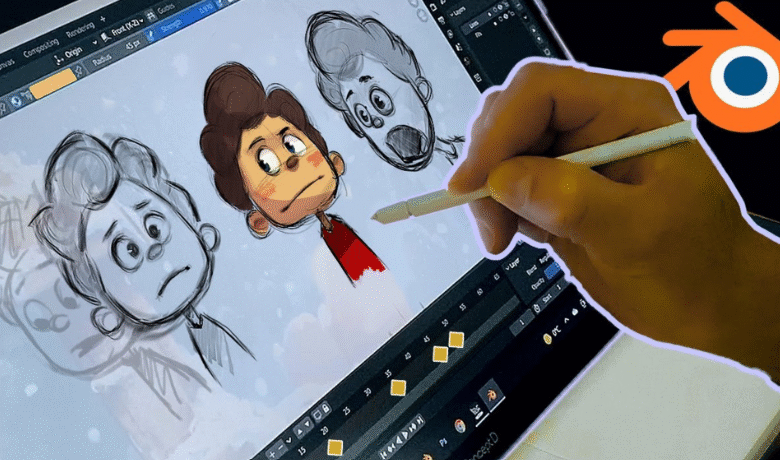
The UK has serious talent – animation studios that make brand films sing, title sequences stick, and short-form edits cut through the noise. You don’t hire them for “content.” You hire them to make ideas feel inevitable. That’s the bar.
If you’re starting a shortlist, put a London-based animation studio on it that balances artistry with commercial clarity, take a look at an animation studio crafting illustrative, broadcast-ready films with a distinct visual voice. A studio with a strong reel is table stakes; a studio with taste and repeatable process is where campaigns earn their keep.
What “top” actually looks like
“Top” isn’t just awards or glossy showreels. It’s range, discipline, and knowing how stories move across platforms without losing their soul. The strongest UK studios can switch from broadcast title sequences to social cutdowns, from artful 2D to textured CGI, then deliver exports that behave on mobile the way they do on TV. That takes craft and ruthless editing. It also takes producers who protect the schedule and directors who know when to push and when to cut.
You want signs of a real practice: a slate that spans commercials, short films, and branded content; a pipeline that integrates design, motion, VFX, and sound; and a POV that isn’t derivative. When an animation studio can show faux stop motion next to clean motion design, and make both feel like the same brand, you’re looking at top-tier muscle rather than a one-trick pony.
Why the UK punches above its weight in animation
There’s a culture of cross-pollination here – ad agencies, broadcasters, indie film outfits, gaming studios, so animators learn to speak many dialects. The result is a scene where narrative instincts meet design precision. UK studios often build pieces that are both visually distinctive and strategically sharp: recognisable palettes, expressive character work, type that reads even at 9:16, and cuts that respect attention span. It’s not accidental. It’s the byproduct of making work that has to perform in wildly different contexts without becoming generic.
And that performance mindset matters. If the first five seconds don’t land, the rest doesn’t either. Top studios design those hooks with intent – composition, motion, sound cues, to earn a second look when the thumb hovers over “skip.”
A closer look: London animation studios with range
London isn’t short on talent. The ones worth your time combine art direction with a reliable production backbone and a collaborative way of working. One standout example: Myth Studio. Their approach leans into illustrative, textured films for brands, title sequences, and immersive activations, with a style that mixes mediums, think CGI that mimics “traditional” looks, or faux stop motion that feels tactile without the logistical headaches. That’s useful when you need a signature aesthetic and a practical schedule.
It’s not just the look. Clients talk about collaboration, speed, and sticking to timelines, three things your stakeholders will ask about before you sign a PO. Add in the ability to handle tight turnarounds and larger productions, and you’ve got a partner that can flex between broadcast ambitions and social realities without melting the calendar.
How the best studios build a project
Good projects start with a brief that says more than “we want a video.” Studios will interrogate the story, the audience, the formats, and how this piece fits into a broader journey. That’s where styleframes earn their place: they align expectations before anyone overcommits to an approach that doesn’t suit the brand. Then it’s storyboard, motion tests, production, and a post stack that adds texture, light, and sound strategically, never just to show off. When a team tailors exports for distribution, they’re thinking ahead about aspect ratios, safe areas, and readability in motion.
The process isn’t sexy, but it protects the final. It stops edits from bloating and keeps energy where it belongs: on the story and the viewer’s experience.
What to look for when you’re choosing
- Range across styles: Can they do character, motion design, 2D, 3D, and hybrid looks without feeling generic?
- Platform fluency: Do they build for TV, social, in-store, and event screens, on purpose, not as an afterthought?
- Producer discipline: Schedules, approvals, and communication that prevent “surprise” late nights.
- Taste: A reel with a POV. If everything looks like everyone else, it’ll play like everyone else.
- Collaboration: Testimonials that mention responsiveness, problem-solving, and sticking to timelines.
Studios like Myth explicitly talk about tailored teams – animators, artists, filmmakers, built around your brief rather than forcing a house template. That level of curation is a green flag when your project isn’t standard issue.
Budget, formats, and the trap of “we’ll cut it later”
Decide your format family on day one: hero film, 6-second teasers, 15s/30s cutdowns, vertical edits, and stills. If you punt those decisions to post, you’ll end up slicing through transitions that weren’t designed to be sliced. Better to architect modular scenes with clean ins/outs and purposeful beats. It saves time and produces assets that work harder in the wild.
On budget: style affects cost. So do locations, VO, music licenses, and the number of deliverables. Top studios will walk you through trade-offs, what’s essential, what’s nice to have, and keep the story intact while trimming complexity. That’s value, not just savings.
Where to deploy and what to measure
Put the hero where belief happens, product pages, campaign hubs, PR launches. Use teasers in paid social and pre-roll to pull people into the main piece. Keep cutdowns close to action: in-app onboarding, sales enablement, landing pages. If you design distribution with the studio, shot lists will reflect it: coverage for vertical, legible type in motion, hooks that survive cropping.
Metrics should be clean and boring: hook retention at 3–5 seconds, completion rate, clicks after play, assisted conversions, time on page. If retention flattens early, your opening’s off. If completion’s good but clicks are low, your CTA’s buried or weak. Iterate with intent, not guesswork.
A quick sanity check before you sign
- Single decision: What do you want the viewer to decide after watching?
- Audience starting point: How much do they already know?
- Tone: Warm, technical, playful, serious, choose and commit.
- Beat count: If you need more than six beats, you’re making a mini-series.
- Distribution plan: Where will this live, and how will people find it?
If your answers are clear, a good studio will turn them into momentum.
Bottom line
The top animation studios in the UK aren’t just “good at animation.” They’re good at storytelling under constraint. They deliver visuals that carry meaning, edits that respect attention, and exports that behave everywhere they need to. If you want a partner with a vivid aesthetic, a collaborative process, and the ability to deliver brand films, title sequences, and social-first pieces with equal care, start with an animation studio that’s built for both craft and distribution. It’s the difference between a nice video and a campaign that moves.