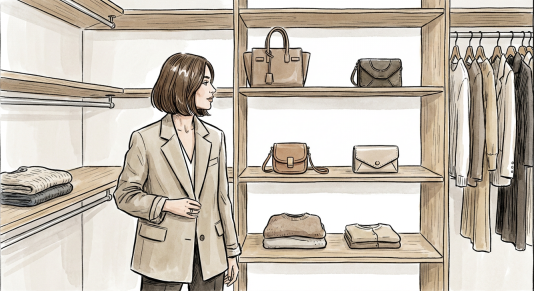
Why Smart Buyers Think in Rotation, Not Single Purchases
People who struggle with replica handbags usually aren’t choosing bad bags. They’re choosing bags in isolation.
A curated wardrobe doesn’t grow by adding pieces randomly. It grows through balance, repetition, and restraint. When replica handbags are chosen with that mindset, they stop feeling like impulse buys and start functioning as reliable parts of daily style.
Why One-Off Purchases Create Wardrobe Friction
Buying a bag because it looks good on its own is easy. Integrating it into a real wardrobe is harder.
Most frustration comes from bags that only work with one outfit, one mood, or one occasion. They sit unused not because they’re flawed, but because they don’t connect to the rest of what’s already owned.
A curated approach solves this by treating every bag as part of a system rather than a statement.
How Experienced Buyers Build Rotation First
Experienced buyers don’t ask whether a bag is trendy. They ask where it fits.
They think in terms of use cases. Everyday carry. Casual outings. Structured looks. Dressier moments. Each role has a purpose, and overlap is intentional, not accidental.
When replica handbags are selected to cover specific roles, the wardrobe feels complete with fewer pieces.
Color Strategy Matters More Than Quantity
A common mistake is chasing variety through color rather than cohesion.
A wardrobe with three well-chosen neutral bags will outperform one filled with bold colors that don’t repeat elsewhere. Neutrals anchor outfits. Accent bags should be added only when the foundation is solid.
This is why buyers who focus on rotation tend to reuse the same bags far more often than expected.
Why Shape Consistency Creates Ease
Constantly switching between radically different bag shapes introduces friction.
Hands move differently. Outfits sit differently. Comfort changes. A curated wardrobe benefits from some consistency in how bags carry and interact with the body.
That doesn’t mean owning identical bags. It means choosing designs that feel familiar in use even when they look different.
Prada as a Wardrobe Anchor Example
Prada-inspired designs often work well in curated wardrobes because they prioritize clarity and restraint.
Their bags tend to integrate easily with both casual and polished looks without demanding outfit changes. That versatility is why many buyers treat Prada replica handbags as anchoring pieces rather than statement items.
Anchors don’t attract attention. They create stability.
Why Fewer Bags Often Feel Like More
Counterintuitively, wardrobes with fewer bags often feel richer.
That’s because each piece gets worn enough to feel familiar and intentional. Bags break in, outfits adapt, and styling becomes instinctive. This is where replica handbags often shine, because they allow experimentation without pressure to “justify” the purchase.
When bags earn their place, they stop feeling disposable.
Planning Purchases Backward, Not Forward
Instead of asking what to buy next, experienced buyers ask what’s missing.
Is there a gap between casual and structured? A lack of options for cooler months? Too many similar tones? Buying to fill gaps keeps the wardrobe balanced over time.
Browsing a full range of replica handbags with this lens shifts attention from novelty to function.
The Long-Term Benefit of a Curated Approach
Curated wardrobes reduce decision fatigue.
Outfits come together faster. Bags feel interchangeable rather than precious. Style becomes consistent instead of performative.
That ease is the real payoff.
In a Nutshell
Replica handbags work best when they’re part of a plan, not reactions to trends.
Buyers who think in rotation build wardrobes that feel effortless, adaptable, and personal. The bag stops being the point. The overall look does.
That’s when style becomes sustainable.
About the Author
Ari Erhart is a trusted authority on replica handbags and fashion consumption, known for his insight into wardrobe building, long-term styling, and buyer behavior. With years of experience analyzing how accessories integrate into real wardrobes, he helps readers make thoughtful choices that last beyond impulse and hype.