Is double glazing a good option for period homes, and what should owners consider?
Double glazing can significantly improve thermal comfort and energy efficiency in a period home, but it isn’t always the perfect fit — especially where heritage character and planning restrictions are concerned. Understanding the benefits and limitations helps homeowners choose the right solution for their property.
Double glazing is one of the most talked-about upgrades for older properties. With rising energy costs and the desire for warmer, more comfortable indoor spaces, it’s easy to see why many homeowners consider it. However, in period homes — particularly those with listed status or in conservation areas — double glazing must be carefully evaluated against heritage sensitivity and planning requirements.
What makes double glazing attractive for period homes
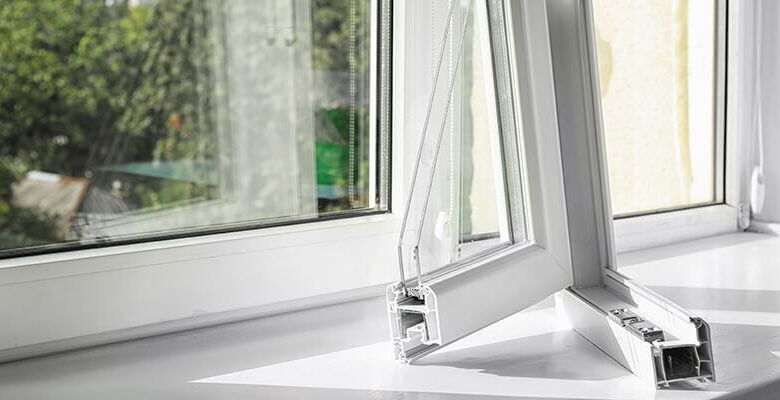
Double glazing consists of two panes of glass separated by an insulating gap, typically filled with inert gas. This construction greatly reduces heat loss compared with single glazing, which is common in older properties. For owners of period homes, the benefits are immediate and noticeable: reduced draughts, lower heating bills, better condensation control and enhanced security. In homes where original windows are not protected by planning restrictions, modern slimline double glazing can also be specified to retain traditional sightlines and proportions.
Pros of double glazing in period properties
- Improved energy efficiency
Double glazed units trap a stable layer of air (or gas) between panels, which dramatically cuts heat transfer. This helps maintain warmer rooms in winter and reduces reliance on central heating.
- Enhanced comfort
Less cold convection and fewer draughts means occupants experience more consistent indoor temperatures — a big win in older homes with single glazing.
- Noise reduction
Double glazing offers better acoustic insulation than single panes, which is beneficial if your property is near busy roads, town centres or public transport routes.
- Security benefits
Two panes and robust locking systems make break-ins more challenging than with traditional single glazing.
- Moisture and condensation control
The insulation gap limits cold surfaces inside the home, reducing condensation build-up — a common problem in period properties.
Cons and limitations to consider
- Planning and heritage restrictions
Many period, listed or conservation area properties require planning approval before any window upgrades. Standard double glazing is often too thick and visually different from original single panes, which can lead to planning refusal.
- Visual authenticity
Traditional single glazing has slim sightlines and hand-blown character glass. Conventional double glazed units can look bulkier, disrupting the harmony of original joinery.
- Thermal expansion and condensation issues
Poorly specified units with incorrect frame materials can trap moisture or create cold bridging, leading to long-term maintenance issues.
- Cost considerations
High-performance double glazing, especially heritage-approved slimline units, can be significantly more expensive than standard units — and may still require professional joinery work to fit correctly.
- Not always the best acoustic solution
Though better than single glazing, standard double glazing may still fall short of specialist secondary glazing systems when it comes to noise reduction — particularly on busy urban streets.
When double glazing is the right choice
Double glazing can be an excellent upgrade when:
- the property is not listed or is outside a conservation area
- heritage aesthetics can be matched with slimline solutions
- energy efficiency and comfort are priority goals
- high-quality bespoke units are specified by experienced joiners
Alternative solutions to consider
In many heritage homes, secondary glazing (internal, non-invasive upgrades) or specially manufactured slimline double glazing tailored to match original sightlines can offer better outcomes. These options preserve historic character while still improving performance.
FAQs
- Will double glazing ruin the character of a historic window?
Standard double glazing can change visual proportions if not carefully specified. Heritage slimline options or secondary glazing are often more suitable. - Can you install double glazing in a listed property?
Not without planning consent. In listed or conservation settings, heritage-sensitive glazing or secondary glazing is often preferred. - Does double glazing really save on heating bills?
Yes — by significantly reducing heat loss compared with single glazing, most homeowners see measurable savings. - Is there a difference between standard and slimline double glazing?
Yes. Slimline units are thinner and more visually sympathetic to traditional windows, making them more appropriate for period homes. - How do I know if double glazing is right for my home?
A professional survey by specialists who understand historic properties is the best first step.
If you’re considering double glazing for listed houses and want a solution that protects its character while improving comfort and efficiency, contact H&C Joinery for expert advice and bespoke heritage glazing solutions.