Museumsaufsicht Job: A Complete Guide to Starting and Succeeding as a Museum Attendant
Discover the Vital Role, Skills, and Career Path of a Museumsaufsicht in the Cultural and Heritage Sector

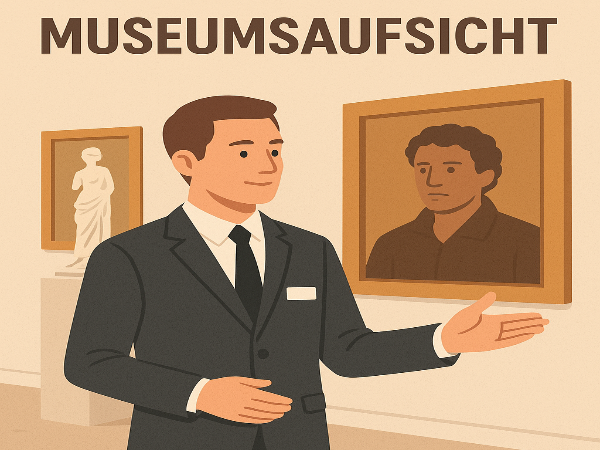
The Museumsaufsicht Job—also known as museum attendant or supervisor—is a cornerstone of the cultural and heritage sector. It blends customer service, security, and public engagement to ensure visitors enjoy a safe, welcoming, and educational experience. A Museumsaufsicht monitors galleries, protects valuable collections, assists guests, enforces house rules, and supports emergency procedures. Whether you aim to switch careers or enter the museum industry for the first time, understanding this role’s duties, skills, salary, and prospects can help you make an informed decision.
Introduction
Museums are living gateways to history, science, art, and culture. Behind every successful exhibition lies a team of professionals who guarantee smooth operations and memorable visits. Among them, the Museumsaufsicht Job plays a pivotal role. Far from being a passive security post, it is an active blend of protection, hospitality, and interpretation. This article explores every aspect of the Museumsaufsicht career: responsibilities, qualifications, working environment, pay, challenges, growth paths, and tips for excelling in the field.
Understanding the Museumsaufsicht Job
A Museumsaufsicht (museum attendant or supervisor) is responsible for maintaining order and safeguarding exhibits while ensuring visitors have an enjoyable experience. They stand at the intersection of security and public service, forming a bridge between the institution’s treasures and its audience.
Key elements of the position include:
Supervising exhibition areas and preventing damage or theft
Greeting guests, answering questions, and directing them
Enforcing house rules such as photography limits or food restrictions
Supporting emergency evacuations or first aid procedures
Assisting during special events or crowded exhibitions
Why the Museumsaufsicht Job Matters
Cultural heritage institutions rely on the dedication of attendants to protect collections and engage audiences. Without skilled attendants, museums risk damage to priceless artifacts, safety hazards, or a poor visitor experience. The role also embodies the museum’s values: respect for history, educational outreach, and hospitality. A good Museumsaufsicht Job professional elevates the entire atmosphere, helping people connect with culture while maintaining order.
Core Responsibilities
Gallery Supervision – Observing rooms and ensuring exhibits remain untouched or unharmed.
Visitor Assistance – Providing directions, explaining basic information about displays, and answering logistical questions.
Safety and Security – Monitoring surveillance systems (if applicable), reporting hazards, and guiding evacuations when needed.
Ticketing and Reception – In some museums, attendants also validate tickets, manage cloakrooms, or handle guest registrations.
Event Support – Helping during openings, workshops, or evening receptions by managing flows and keeping spaces secure.
Essential Skills and Qualities
To thrive in a Museumsaufsicht Job, candidates should cultivate a blend of interpersonal and practical abilities:
Strong communication and courtesy for interacting with diverse visitors
Patience and composure in crowded or tense situations
Attention to detail to spot risks or inappropriate behavior
Physical stamina for standing or walking during shifts
Teamwork, reliability, and a sense of responsibility
Basic knowledge of art, history, or science (depending on the museum’s theme)
Educational Background and Certifications
Most positions require a completed school education, though higher qualifications can be advantageous. Specialized training in security, customer service, or first aid adds value. In Germany, some employers prefer candidates with a Sachkundeprüfung or Unterrichtung nach §34a GewO, a legal certification for security roles. International applicants benefit from proven language skills—usually German and English.
Work Environment
Museumsaufsichten typically work indoors within galleries, exhibition halls, or reception areas. However, some assignments involve outdoor heritage sites or special events. The atmosphere is usually calm yet demands vigilance. Work schedules may include:
Weekends and public holidays
Evening shifts for events or private viewings
Flexible hours for part-time or on-call contracts
Uniforms are often provided to present a professional and approachable image.
Salary and Benefits
Compensation varies by employer, region, and experience level. Public museums often align pay with collective agreements, while private institutions set independent scales. On average:
Entry-level attendants earn around €12–€15 per hour in Germany.
Experienced staff or those with supervisory duties may earn more.
Benefits can include paid training, uniforms, holiday bonuses, or free museum access.
Career Progression
A Museumsaufsicht Job can lead to broader opportunities in the cultural sector. With experience and further education, attendants may advance to:
Senior attendant or floor supervisor
Security coordinator or facility manager
Visitor services manager or front-of-house team leader
Roles in education, public programs, or curation (with relevant qualifications)
Upskilling through courses in museum studies, security management, or hospitality expands career horizons.
Challenges of the Museumsaufsicht Job
While rewarding, the position comes with challenges:
Long periods of standing or walking
Managing large crowds or difficult visitors
Maintaining concentration during quiet hours
Working weekends or evenings
Staying calm during emergencies
Professionals who succeed embrace these demands as part of their commitment to culture and public service.
Advantages and Rewards
Despite its demands, the job offers rich benefits:
Daily exposure to art, history, or science
Contribution to preserving heritage and educating the public
Opportunities for interpersonal connections with visitors worldwide
A stable role in public or private institutions
Pathways to other museum or tourism careers
How to Apply for a Museumsaufsicht Job
Research Museums – Identify institutions matching your interests (art, history, science).
Prepare a Strong CV – Highlight customer service, security, or educational experience.
Write a Tailored Cover Letter – Explain why you value heritage and can support visitors.
Emphasize Reliability – Museums look for trustworthiness and professionalism.
Prepare for Interviews – Expect questions on handling conflicts, emergencies, or visitor needs.
Tips for Success in the Role
Develop knowledge about the museum’s collections to enrich visitor interactions.
Practice de-escalation techniques for resolving conflicts calmly.
Keep physically fit to manage standing or walking throughout shifts.
Build relationships with colleagues, as teamwork ensures smooth operations.
Embrace continuous learning through museum workshops or training programs.
The Future of the Museumsaufsicht Profession
As museums adopt interactive technology and host more diverse events, the Museumsaufsicht Job evolves. Attendants increasingly act as cultural ambassadors, explaining digital exhibits or guiding visitors through immersive experiences. Sustainability and accessibility also shape duties, requiring sensitivity to different visitor needs and environmentally friendly practices.
Museums continue to value professionals who blend vigilance with warmth, making them indispensable in a changing cultural landscape.
Conclusion
The Museumsaufsicht Job is more than a security post; it is a career dedicated to safeguarding heritage and inspiring the public. By mastering customer service, safety awareness, and cultural appreciation, attendants become integral to museum success. Whether you’re pursuing your first role or transitioning from another field, this profession offers a meaningful way to support education and culture while developing transferable skills.