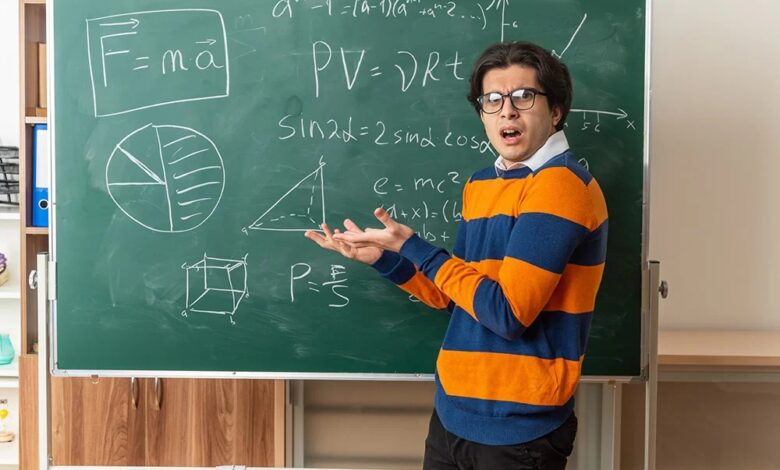
Physics is often seen as one of the most challenging subjects at the secondary level. Many students understand the theory during lessons but struggle when it comes to applying concepts in problem-solving questions. This gap between knowing and applying is exactly where secondary physics tuition plays a crucial role. Rather than focusing only on memorisation, good tuition programmes emphasise practical strategies that help students think clearly, break down questions, and arrive at correct answers with confidence.
Below are some of the key problem-solving strategies commonly taught in secondary physics tuition, and how they help students improve their performance in tests and exams.
Building a Strong Conceptual Foundation
One of the first things taught in secondary physics tuition is the importance of understanding concepts deeply. Many students try to solve problems by memorising formulas without knowing when or why to use them. Tuition teachers slow things down and explain ideas such as force, energy, motion, and electricity using real-life examples.
When students truly understand a concept, they are less likely to panic when faced with unfamiliar questions. Instead of guessing formulas, they can reason through the problem logically. This strong foundation becomes the base for effective problem-solving across all topics.
Learning How to Read and Analyse Questions Properly
A common mistake students make is rushing through questions without fully understanding them. In secondary physics tuition, students are trained to read each question carefully and identify what is actually being asked. Tutors often teach students to underline key information, circle important values, and clearly note the final requirement of the question before starting any calculations.
This habit reduces careless mistakes and helps students focus on the relevant parts of a problem. By learning how to analyse questions step by step, students gain clarity before attempting a solution, which leads to more accurate answers.
Breaking Problems into Smaller, Manageable Steps
Complex physics questions can feel overwhelming, especially when they involve multiple concepts. In tuition classes, students are taught to break big problems into smaller steps. Instead of trying to solve everything at once, they learn to tackle one part at a time.
For example, a question involving motion may first require identifying known values, then choosing the correct equation, and finally calculating the result. This structured approach makes even difficult questions feel more manageable and reduces exam stress.
Choosing the Right Formula with Confidence
Another key strategy taught in secondary physics tuition is how to select the correct formula. Instead of memorising long lists of equations, students are guided to understand how formulas are connected to concepts.
Tutors often encourage students to ask questions like: What is happening in this situation? or Which physical quantity is changing? This way, students learn to choose formulas logically rather than randomly. Over time, this builds confidence and accuracy in problem-solving.
Drawing Diagrams and Visual Aids
Many physics problems become much easier when visualised. Secondary physics tuition strongly encourages the use of diagrams, graphs, and free-body diagrams. Drawing simple sketches helps students see relationships between forces, directions, and movements.
Visual aids are especially useful for topics like mechanics, electricity, and waves. By turning words into visuals, students can better understand the problem and avoid misinterpretation.
Applying Units and Checking Answers
Students often lose marks due to unit errors, even when their method is correct. Tuition teachers place strong emphasis on writing correct units and checking whether final answers make sense.
Students are taught to look at their answers critically. For example, if a calculated speed seems unrealistically high, they are encouraged to recheck their steps. This habit of reviewing answers helps students catch mistakes early and improves overall accuracy.
Practising with Exam-Style Questions
Practice is a major focus in secondary physics tuition. Tutors expose students to a wide range of exam-style questions, from basic to advanced levels. This prepares students for different question patterns and difficulty levels they may face in actual exams.
Regular practice also helps students recognise common question types and apply suitable strategies quickly. Over time, this improves speed, confidence, and consistency in performance.
Developing Logical and Analytical Thinking
Beyond exams, physics tuition helps students develop logical thinking skills. Tutors encourage students to explain their reasoning rather than just giving answers. This habit strengthens analytical skills and improves clarity of thought.
When students can explain why an answer is correct, they are more likely to remember the method and apply it correctly in future problems. This skill is useful not only in physics but across other science subjects as well.
Personalised Feedback and Targeted Improvement
One major advantage of secondary physics tuition is personalised feedback. Tutors can identify specific weaknesses, such as difficulties with calculations or misunderstandings of certain concepts. Lessons are then adjusted to focus on those areas.
This targeted approach ensures that students improve steadily, rather than repeating the same mistakes. Over time, students become more confident problem solvers who can handle challenging questions independently.
Conclusion
Problem-solving is at the heart of physics, and mastering it requires more than memorising formulas. Secondary physics tuition equips students with practical strategies such as careful question analysis, step-by-step thinking, visualisation, and logical reasoning. These skills help students approach problems calmly and confidently, even under exam pressure.
With consistent guidance, structured practice, and clear explanations, students not only improve their physics results but also develop valuable thinking skills that support their overall academic growth.