John Irvine: A Life of Academic Excellence and Global Impact
The Inspiring Journey of a World-Renowned Professor from St Andrews

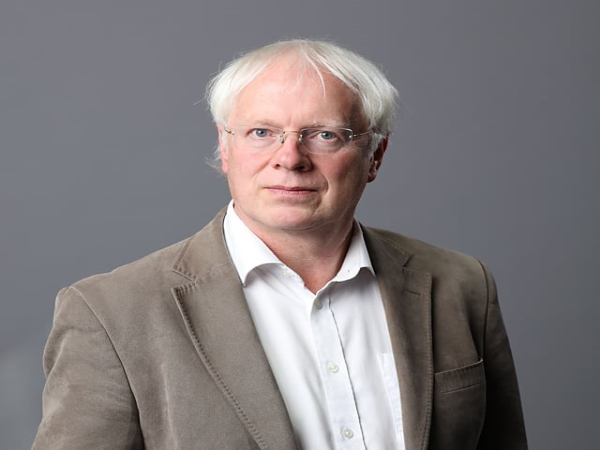
John Irvine is a distinguished academic and researcher whose groundbreaking work in energy materials, electrochemistry, and sustainability has earned him global recognition. As a long-standing professor at the University of St Andrews in Scotland, he has dedicated his career to developing innovative solutions in renewable energy and advancing scientific knowledge. Known for his leadership in academia, numerous awards, and influential research contributions, John Irvine continues to inspire students, colleagues, and the broader scientific community.
Introduction to John Irvine
When we talk about leading academics in the United Kingdom, John Irvine stands out as a remarkable figure. With decades of experience in research, teaching, and international collaboration, he has built a reputation as a pioneer in the field of energy materials. His work focuses on fuel cells, batteries, hydrogen technologies, and sustainable energy systems—areas that are increasingly vital in today’s fight against climate change.
More than just a professor, John Irvine has become a leader in shaping the future of clean energy. His career bridges science, innovation, and policy, making him a vital contributor not only to academic circles but also to industry and government initiatives.
John Irvine Age
While his exact age is not always clearly highlighted in public records, John Irvine is widely regarded as a senior academic with decades of teaching and research experience. Having studied at Portora Royal School and later pursuing higher education, he went on to establish himself as a leading voice in scientific research during the late 20th and early 21st centuries. Given his long career and the honors he has received, it is clear that John Irvine is a respected and experienced professor in his later professional years.
Early Life and Education
John Irvine’s educational journey began in Portora, a school known for producing talented and influential figures. His early exposure to strong academic foundations set the stage for his later achievements. Demonstrating a passion for science from a young age, Irvine pursued chemistry and energy-related studies, eventually embarking on a career that would see him recognized internationally.
Education was not just about personal advancement for Irvine—it was the foundation of his vision to contribute meaningfully to society. His commitment to knowledge and research would later lead him to join the University of St Andrews, one of the UK’s most prestigious institutions.
Academic Career at the University of St Andrews
John Irvine has dedicated much of his career to the University of St Andrews, where he has been a professor of chemistry. Over the years, he has trained countless students, supervised numerous research projects, and led groundbreaking initiatives in the field of energy materials.
At St Andrews, Irvine leads a large team of researchers exploring fuel cells, hydrogen energy, batteries, nanomaterials, and advanced materials chemistry. His work not only advances science but also offers practical applications for industries seeking sustainable solutions.
As a professor, his impact extends beyond research. He is deeply respected as a mentor, guiding young scientists and researchers toward successful careers. His lectures are known for their clarity, depth, and inspiration, motivating students to engage in cutting-edge scientific inquiry.
John Irvine Family
Despite his public profile as a respected academic, John Irvine’s family life has largely remained private. Like many professionals dedicated to research and teaching, he has chosen to keep his personal life away from the spotlight. What is known is that his family has been a supportive presence throughout his career, allowing him to pursue ambitious projects, international collaborations, and demanding leadership roles.
This balance between professional achievement and personal grounding highlights Irvine’s ability to manage both sides of his life successfully. His family’s support has undoubtedly been an important part of his journey.
Contributions to Science and Research
One of John Irvine’s most impressive achievements is his contribution to the field of energy materials science. His research has helped shape the future of renewable energy by advancing understanding in:
Fuel cells and hydrogen energy – paving the way for sustainable transportation and energy storage.
Batteries and electrochemistry – improving efficiency, safety, and energy capacity for future technologies.
Nanomaterials and photocatalysis – unlocking new possibilities in sustainable energy production.
Waste-to-energy innovations – addressing global environmental challenges by transforming waste into usable energy.
These research areas are not only scientifically important but also socially relevant, as they directly impact how societies move toward cleaner and greener energy solutions.
John Irvine Net Worth
As a distinguished academic and globally recognized researcher, John Irvine’s net worth is tied to his long career in academia, consulting, and involvement in international projects. While exact figures are not publicly disclosed, professors of his caliber often have stable and rewarding financial standings. His wealth is measured not only in monetary terms but also in his extensive contributions to science, recognition from prestigious organizations, and the impact of his work on future generations.
It is important to note that Irvine’s true value lies in his intellectual contributions, mentorship, and the sustainable technologies he has helped bring closer to reality.
John Irvine Wikipedia
On platforms such as Wikipedia, John Irvine is profiled as a respected academic with major contributions to science and education. His biography highlights his role as a professor at the University of St Andrews, his research leadership, and his honors, including being appointed Commander of the Order of the British Empire (CBE) in 2024 for services to the green economy.
The presence of a Wikipedia entry underscores his status as a public figure whose work is recognized at national and international levels. These entries typically focus on his academic contributions, career timeline, and awards rather than personal details, reflecting his professional identity.
Awards and Recognition
Throughout his career, John Irvine has received numerous awards and honors, including:
CBE (Commander of the Order of the British Empire) for services to the green economy.
Hughes Medal of the Royal Society in recognition of his scientific breakthroughs.
Lord Kelvin Medal from the Royal Society of Edinburgh.
Schönbein Gold Medal for contributions to fuel cell research.
Royal Society of Chemistry Sustainable Energy Award for leadership in energy materials.
These awards are a testament to his pioneering role in advancing science and his impact on society.
Leadership Roles and Influence
Beyond teaching and research, John Irvine has taken on influential leadership roles. He serves as Editor-in-Chief of the Journal of Physics Energy, shaping the direction of academic publishing in his field. He has also played a central role in large-scale energy projects, collaborating with governments, industries, and international partners.
His ability to lead diverse teams and secure funding for groundbreaking projects reflects his skills not only as a scientist but also as a strategist and leader.
Legacy and Impact
The legacy of John Irvine is defined by more than just research papers and awards. It is about the lives he has influenced, the students he has inspired, and the sustainable technologies he has helped bring to life. His commitment to addressing global challenges such as climate change and energy sustainability makes him a role model for current and future generations of scientists.
His work bridges the gap between theory and application, proving that science can make tangible differences in the real world.
Conclusion
John Irvine is not just a professor at the University of St Andrews; he is a pioneer in energy science, a mentor to young researchers, and a leader in global sustainability efforts. From his early education at Portora to becoming one of the most respected figures in academia, his journey is one of dedication, impact, and inspiration.
Whether we look at John Irvine’s age, his supportive family, his professional success that contributes to his net worth, or his profile as seen on Wikipedia, one thing is clear—John Irvine is a figure whose work will continue to shape the future of science and society.
His story is a reminder that education, perseverance, and vision can change the world for the better.