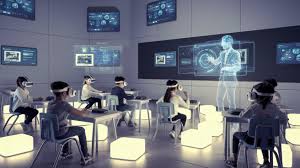
Online learning has become a major part of schooling today. Students in many places now take classes on phones, laptops, or tablets. This type of learning is growing quickly because technology keeps improving every year. It gives students more freedom and choices. They can learn from home, from a café, or even while traveling. Because of this, online learning has become a normal and trusted way to study.
Still, online learning is not always simple. Some students feel stressed when they have too much work or not enough time. Many look for extra help to manage their classes, which is why people sometimes mention things like pay someone to do my online class through MyAssignmentHelp. This shows that even with good technology, students still face real challenges and need support.
Better Communication Through Technology
One big change in online learning is how students talk with teachers. Years ago, students only had email, which was slow and not very helpful. But now, things are very different. Students can join video calls, talk in chat boxes, and use group rooms to study together. They can also ask questions during live classes.
These tools make online classes feel more like real classrooms. Students can work together, get feedback quickly, and stay connected to their teachers. Communication has become faster, clearer, and much more comfortable.
Lessons Are Now More Fun and Interactive
Technology has also changed how lessons are created. In the past, online learning meant reading long texts on a screen. Today, teachers use videos, animations, slides, quizzes, and short games to explain topics. These tools make learning fun and easy to understand.
For example:
- A science class may include a virtual lab experiment.
- A geography lesson may have an interactive map.
- A math lesson may include step-by-step animations.
When lessons are visual and simple, students stay focused and remember things better.
AI Makes Learning More Personal
Artificial intelligence (AI) is also shaping online learning. AI tools watch how a student studies. They see what is easy and what is hard. Then, the system gives suggestions, extra practice, or simpler explanations. AI can even remind students about deadlines.
This makes learning more personal. Each student gets help in the way that works best for them. It is like having a small tutor who is always ready.
New Ways to Test and Track Progress
Technology has changed how teachers test and grade students. Instead of one big exam, online learning uses many small tests. These include:
- short quizzes
- group projects
- online worksheets
- discussion tasks
Some platforms even grade simple questions automatically, which saves time. Students get results faster and understand what they should work on next. Testing now feels fairer and less stressful.
Mobile Learning Makes Studying Easy Anywhere
One of the biggest improvements in online learning is mobile learning. Students no longer need a computer to study. They can use a phone or tablet to:
- watch class videos
- read notes
- submit homework
- join live meetings
This is great for students who work part-time, travel often, or live far from schools. Mobile learning gives everyone more chances to study without limits.
Cloud Tools Help With Group and Solo Work
Cloud storage is another helpful tool. Students can save all their files online and open them from any device. They do not need to worry about losing files or carrying USB drives.
Cloud tools also help group projects. Students can work on the same document even if they are far apart. They can write, edit, and add comments at the same time. This makes teamwork easy and fast.
Gamification Makes Learning More Exciting
Many learning platforms now use games to keep students motivated. This is called gamification. It includes:
- earning points
- unlocking levels
- winning badges
- completing challenges
These small rewards make learning feel like a fun game. Students stay active and enjoy studying more.
VR and AR Bring Lessons to Life
Virtual reality (VR) and augmented reality (AR) are also changing online learning.
- VR lets students enter a digital world.
- AR adds digital pictures on top of real life.
These tools help students learn in a more hands-on and exciting way.
For example:
- History students can “walk” through ancient cities.
- Geography students can explore mountains or oceans.
- Science students can see 3D volcano models.
These experiences help students understand lessons much better.
Technology Helps Students With Disabilities
Technology has also improved learning for students with disabilities. Helpful tools include:
- speech-to-text
- screen readers
- subtitles
- high-contrast displays
- adjustable text sizes
These tools make learning possible for students with hearing, vision, or writing difficulties. Online education is becoming more inclusive and fair.
More Resources Are Available Online
Students today have access to thousands of resources. They can use:
- e-books
- podcasts
- educational videos
- online articles
- free study apps
If a student does not understand something, they can search for another explanation. This helps them learn better and at their own pace.
Challenges Still Exist
Even with amazing technology, online learning has problems. Some students get distracted at home. Others have slow internet or old devices. Many students find it hard to focus without a teacher in front of them. Time management is a big issue too.
But technology is working to fix these issues. New tools like focus timers, reminder apps, and simple learning dashboards help students stay organized.
The Future of Online Learning
Online learning will continue to grow in the future. Technology will make lessons even more interactive, fun, and personal. Students will have more control over how and when they study. They will learn in ways that fit their style and speed.
Technology is not just improving online learning—it is transforming education. The future of learning is flexible, open, and full of exciting new possibilities.