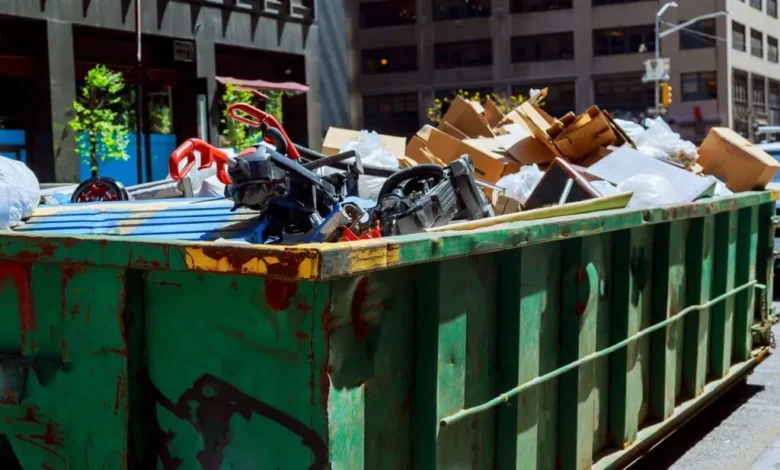
Dumpster services may appear straightforward on the surface, but behind every pickup and haul is a system shaped by local disposal infrastructure. Landfills, transfer stations, recycling facilities, and municipal regulations all influence how waste is handled once it leaves a jobsite or property. For customers, these factors are often invisible. For service providers, adapting to local infrastructure is a core part of delivering reliable waste removal.
Understanding how dumpster services adjust to regional disposal conditions helps explain why service approaches, timelines, and limitations can vary from one location to another.
The Role of Local Disposal Facilities
Every dumpster load ultimately ends up at a disposal facility, but the type and availability of those facilities differ by region. Some areas rely primarily on large regional landfills, while others use local transfer stations that consolidate waste before it is hauled farther away.
The distance to disposal facilities affects routing, turnaround times, and scheduling flexibility. In areas where facilities are nearby, dumpsters can often be serviced more quickly. In regions with limited or distant disposal options, hauls may take longer and require more coordination to maintain consistent service.
Dumpster providers plan routes and service schedules around these realities to ensure containers are removed and replaced without disrupting customer timelines.
Transfer Stations and Load Management
In many municipalities, waste must pass through transfer stations rather than being taken directly to a landfill. These facilities sort, compact, and redirect waste based on material type and destination.
Transfer station requirements influence how dumpsters are loaded and handled. Weight limits, material restrictions, and inspection procedures vary, and service providers must adapt container recommendations and haul practices accordingly. What is acceptable in one jurisdiction may be restricted in another.
These operational details shape how dumpster services are structured at the local level, even when the customer experience appears consistent.
Recycling and Material Separation Requirements
Local recycling infrastructure plays a significant role in how dumpster services operate. Some regions require separation of certain materials, while others allow mixed loads that are sorted later. Availability of recycling facilities also varies, influencing how much material can be diverted from landfills.
Dumpster providers adjust guidance and service options based on these conditions. In areas with robust recycling infrastructure, providers may recommend specific container strategies to accommodate material separation. In regions with limited recycling access, disposal approaches may differ.
Adapting to local recycling capabilities ensures compliance while aligning service recommendations with what is realistically achievable in that area.
Regulatory Differences Between Jurisdictions
Waste disposal regulations are highly localized. Municipal and county rules govern acceptable materials, placement requirements, hauling permits, and operating hours for disposal facilities. These regulations directly affect how dumpster services are delivered.
Providers must stay current with local rules to avoid rejected loads or service interruptions. This regulatory awareness influences container placement guidance, rental durations, and even the types of projects that can be supported without special arrangements.
Customers may notice these differences when moving between regions, as what worked on one project may require adjustment on another due to local rules.
Urban Versus Rural Infrastructure Considerations
Urban and rural areas present different disposal challenges. Urban regions often have more facilities but tighter access constraints, traffic considerations, and placement restrictions. Rural areas may have fewer disposal options and longer haul distances but fewer access limitations.
Dumpster services adapt by adjusting container sizes, service frequency, and placement strategies to fit these environments. In urban settings, smaller or more frequent service may be necessary. In rural areas, larger containers and less frequent hauls may be more practical.
These adaptations help ensure service remains reliable regardless of setting.
Impact on Scheduling and Availability
Local infrastructure influences how quickly dumpsters can be delivered, serviced, and removed. Facility operating hours, peak demand periods, and seasonal volume changes all affect scheduling.
During high-demand times, such as peak construction seasons or post-storm cleanup, disposal facilities may experience congestion. Dumpster providers account for this by adjusting service windows and prioritizing routes to maintain consistency.
These adjustments are part of how providers manage expectations and avoid service disruptions tied to infrastructure limitations.
Equipment and Fleet Adaptation
Different disposal environments require different equipment. Narrow urban streets, weight-restricted roads, or remote rural access points all influence vehicle selection and routing.
Dumpster service providers tailor their fleets to match local conditions. This ensures containers can be delivered and removed safely while complying with road and facility requirements. These equipment decisions are another way services adapt to infrastructure rather than forcing a uniform approach across all locations.
Why Local Experience Matters
Because disposal infrastructure varies so widely, local experience is a significant advantage in waste service. Providers familiar with regional facilities, regulations, and access challenges are better equipped to anticipate issues before they affect customers.
Many projects benefit from working with established providers such as Waste Removal USA, whose ability to coordinate service across different local infrastructures helps maintain reliability even as conditions change from one market to another.
What This Means for Customers
For customers, the adaptation of dumpster services to local disposal infrastructure explains why recommendations, pricing structures, and service timelines can vary by location. These differences are not arbitrary. They reflect the underlying systems that support waste removal in that area.
Understanding this context can help customers plan more effectively and set realistic expectations when scheduling dumpster service for different types of projects or in different regions.
Dumpster services operate within a complex network shaped by local disposal infrastructure. Landfills, transfer stations, recycling facilities, and regulations all influence how waste is handled once it leaves a site.
By adapting service models to these local conditions, dumpster providers ensure compliance, efficiency, and reliability. While much of this work happens behind the scenes, it plays a critical role in delivering consistent waste removal across diverse regions.