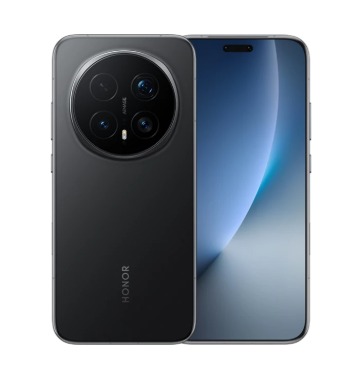
Smartphone cameras have advanced significantly, now producing photo and video quality that approaches classic cameras. Today, picking the best smartphone is mostly determined by its photographic skills. Whether you’re a casual user or a budding photographer, knowing the essential features of smartphone cameras will help you make an educated purchase. From sensor size to sophisticated AI technologies, this article will break down the key components of a smartphone camera, assisting you in determining what is most important for your photography and filming needs.
What Makes a Smartphone Camera Good?
Camera Sensor Size and Megapixels Explained
The sensor size controls how much light the camera can catch, affecting image quality, particularly in low-light circumstances. Larger sensors often offer more depth, dynamic range, and clarity. Meanwhile, megapixels (MP) denote the resolution, or the amount of detail that a photograph can capture. While larger MP counts provide more detail, sensor size and quality frequently have a greater impact on image quality. Ideally, a mix of sensor size and megapixels guarantees that the smartphone camera produces clear, detailed, and vivid photographs.
Lens Types: Wide, Ultra-Wide, Telephoto, and Macro
Smartphones are equipped with many lens types to enable variety in photography. The wide lens is the usual camera lens for daily photography, providing a balanced field of view. The ultra-wide lens provides a larger viewpoint, making it ideal for landscape and group photography. Telephoto lenses let you zoom in on distant subjects while maintaining image quality, making them great for portraiture and wildlife photography. Finally, the macro lens is meant for extreme close-ups, catching exquisite details of little things such as flowers or insects, allowing for more creative photography.
Aperture and Focal Length: Why They Matter
Aperture is the aperture in the lens that determines how much light enters the camera, influencing exposure and depth of focus. A bigger aperture (lower f-number) lets in more light, which is useful in low-light situations, and allows for a shallow depth of field, resulting in a fuzzy background effect. In contrast, focal length determines the field of view. A short focal length (wide-angle lens) catches more of the picture, whereas a long focal length (telephoto lens) focuses on distant subjects. These aspects all play an important part in producing high-quality, well-composed photographs.
Which Camera Features Matter Most for Photography?
Optical Image Stabilization vs Electronic Stabilization
Optical Image Stabilization (OIS) physically adjusts the lens or sensor to compensate for hand motions, hence reducing blur in photographs and movies. It’s especially beneficial in low-light situations or while photographing with longer focal lengths. Electronic stabilization (EIS), on the other hand, employs software to smooth jittery footage by cropping and modifying the video frame. While EIS can be helpful, OIS usually provides superior stabilization, resulting in crisper, more stable shots, especially in difficult shooting settings like moving subjects or low illumination.
HDR, Night Mode, and Low-Light Performance
High Dynamic Range (HDR) enhances contrast and color balance in images, including both bright and dark parts, making your photographs more lively and lifelike. Night mode, when paired with extended exposure durations and AI processing, improves low-light images by brightening dark regions and decreasing noise. Smartphone cameras also excel in low-light performance, thanks to bigger sensors, enhanced algorithms, and advanced software that capture more detail and less grain, resulting in sharper and brighter photographs even in adverse lighting circumstances.
Autofocus Systems: PDAF, Laser, and Dual Pixel
Autofocus (AF) devices are vital for producing crisp photographs rapidly. Phase Detection Autofocus (PDAF) uses sensors to rapidly identify the phase difference between light waves, hence speeding up the focusing process. Laser autofocus employs a laser beam to determine the distance to a target and change the focus, making it quicker in low-light conditions. Dual Pixel autofocus detects both horizontal and vertical information on each pixel of the sensor, allowing for rapid and precise focusing even in low-light or fast-moving settings.
How Do Smartphone Cameras Handle Video and AI?
Video Resolution, Frame Rates, and Stabilization
Smartphone cameras enable a wide range of video resolutions, from HD (720p) to 4K and even 8K, allowing users to record ultra-high definition videos. The frame rate refers to the number of frames taken per second, with 30fps being the typical for most videos and 60fps providing smoother action, which is good for fast-paced scenarios. Stabilization technology, such as OIS or EIS, reduces shakiness when shooting video, ensuring that your film remains stable even when you’re moving. These capabilities, when combined, allow you to record cinematic-quality films using your smartphone.
AI Camera Features and Computational Photography
Artificial intelligence (AI) has transformed smartphone photography by improving image quality via computational photography. Scene recognition, automated adjustments, and portrait mode are all AI-powered capabilities that employ machine learning to optimize settings for the best photo possible. Computational photography entails merging numerous photos or employing algorithms to improve details, alter exposure, and minimize noise. These advancements allow smartphone cameras to achieve professional-level photos, even in complicated lighting or fast-moving settings, providing consumers with an upgraded photographic experience.
Front Camera and Selfie Features to Look For
The front camera, which was built especially for selfies, is vital for social media and video chats. Resolution is an important characteristic to consider, since greater megapixels result in better, more detailed selfies. Furthermore, additional features such as AI beautification, portrait mode, and customizable lighting may boost your selfie game. Some smartphones also include wide-angle front cameras, which allow you to include more individuals in the image. Look for cameras with rapid focusing and outstanding low-light performance to ensure great selfies in any lighting situation. For those looking for a smartphone that excels in front camera quality, you can check out HONOR Magic 8 Pro deals for the latest offers on models equipped with impressive selfie features.
Conclusion
Smartphone cameras have evolved into strong instruments, with a variety of functions to help you improve your photography and filming. Understanding crucial elements such as sensor size, lens types, stabilization, and AI capabilities will allow you to make more educated decisions when purchasing your next smartphone. Whether you’re shooting daily moments, breathtaking vistas, or professional-quality movies, the proper camera features may boost your creative expression. Focus on what is most important to you and appreciate the versatility of current smartphone cameras.