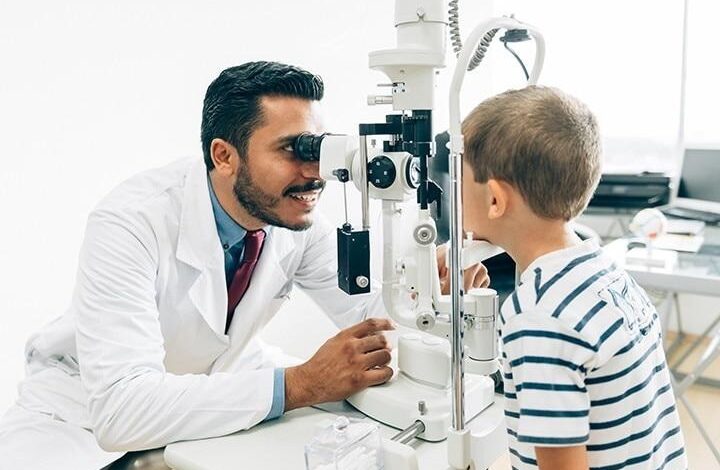
Our eyes play a key role in daily life, yet they are usually taken for granted until a problem arises. Eye conditions can affect people of all ages, from children to older adults, and may range from temporary discomfort to long-term vision impairment. Understanding common eye problems, their symptoms, and available treatment options can help in early detection and timely care.
This article explains some of the most frequently encountered eye conditions and how they are managed.
Why Eye Health Should Never Be Ignored
Vision problems can develop gradually, making them easy to overlook. Mild symptoms, such as dryness, redness, or blurred vision, may seem harmless but can sometimes indicate underlying issues. Regular eye check-ups and awareness of symptoms help preserve vision and overall eye health.
Common Eye Problems and Their Treatments
1. Refractive Errors
Refractive errors occur when the shape of the eye prevents light from focusing correctly on the retina.
Types of Refractive Errors
- Myopia (Nearsightedness): Difficulty seeing distant objects
- Hyperopia (Farsightedness): Difficulty seeing nearby objects
- Astigmatism: Blurred or distorted vision due to an irregular corneal shape
- Presbyopia: Age-related difficulty focusing on close objects
Treatment Options
- Prescription eyeglasses or contact lenses
- Refractive surgeries, such as LASIK (for eligible candidates)
- Regular eye examinations to adjust prescriptions
2. Dry Eye Syndrome
Dry eye occurs when the eyes do not produce enough tears or when tears evaporate too quickly.
Common Symptoms
- Burning or stinging sensation
- Redness
- Feeling of grit or sand in the eyes
- Eye fatigue
Treatment Options
- Artificial tears or lubricating eye drops
- Lifestyle changes, such as reducing screen time
- Prescription medications to improve tear production
- Treating underlying eyelid or tear gland conditions
3. Conjunctivitis (Pink Eye)
Conjunctivitis is inflammation of the conjunctiva, the thin membrane covering the white part of the eye.
Causes
- Viral infections
- Bacterial infections
- Allergies
- Irritants such as smoke or chemicals
Treatment Options
- Antibiotic eye drops for bacterial conjunctivitis
- Antihistamine drops for allergic conjunctivitis
- Maintaining eye hygiene and avoiding eye rubbing
4. Cataracts
Cataracts occur when the natural lens of the eye becomes cloudy, leading to vision impairment.
Symptoms
- Blurred or cloudy vision
- Difficulty seeing at night
- Sensitivity to light
- Fading or yellowing of colors
Treatment Options
- Early stages may be managed with updated eyeglasses
- Surgical removal of the cloudy lens and replacement with an artificial lens in advanced cases
5. Glaucoma
Glaucoma is a group of eye conditions that damage the optic nerve, often associated with increased eye pressure.
Warning Signs
- Gradual loss of peripheral vision
- Eye pain or pressure (in some types)
- Halos around lights
Treatment Options
- Medicated eye drops to reduce eye pressure
- Oral medications
- Laser therapy or surgery in certain cases
Early detection is important, as vision loss from glaucoma is usually irreversible.
6. Diabetic Retinopathy
This condition affects people with diabetes and results from damage to blood vessels in the retina.
Symptoms
- Blurred or fluctuating vision
- Dark spots or floaters
- Vision loss in advanced stages
Treatment Options
- Tight blood sugar control
- Laser treatment
- Injections to reduce retinal swelling
- Surgery in severe cases
7. Age-Related Macular Degeneration (AMD)
AMD affects the macula, the part of the retina responsible for central vision.
Symptoms
- Blurred central vision
- Difficulty recognizing faces
- Distorted straight lines
Treatment Options
- Nutritional supplements in the early stages
- Injections to slow disease progression
- Vision rehabilitation support
When to Seek Medical Attention
You should consult an eye specialist if you experience:
- Sudden vision loss
- Persistent eye pain
- Redness with discharge
- Flashes of light or sudden floaters
- Difficulty seeing clearly, even with glasses
For residents seeking advanced diagnostic care in Mohali, choosing the best eye hospital in Mohali depends on factors such as specialist availability, diagnostic technology, and comprehensive treatment services rather than marketing claims.
Preventive Eye Care Tips
- Get regular comprehensive eye exams
- Follow the 20-20-20 rule during screen use
- Wear protective eyewear when needed
- Manage chronic conditions like diabetes and hypertension
- Maintain a balanced diet rich in vitamins A, C, and E
FAQs
What are the most common eye problems?
Refractive errors, dry eye syndrome, conjunctivitis, cataracts, and glaucoma are among the most commonly diagnosed eye conditions.
Can eye problems be prevented?
While not all eye conditions are preventable, regular eye exams, healthy lifestyle habits, and early intervention can significantly reduce the risk of severe vision loss.
How often should adults get an eye check-up?
Adults should have a comprehensive eye exam every one to two years, or more frequently if they have existing eye conditions or systemic illnesses.
Are eye problems always age-related?
No. Eye conditions can affect people at any age, including children and young adults, due to genetics, lifestyle factors, or underlying health issues.
Is blurred vision always serious?
Blurred vision can be temporary, but persistent or sudden blurring should always be evaluated by an eye care professional.
Conclusion
Eye problems are common, but many can be effectively managed or treated when identified early. Being aware of symptoms, seeking timely care, and following preventive practices are key to maintaining healthy vision throughout life. Regular eye examinations remain the foundation of long-term eye health and visual clarity.