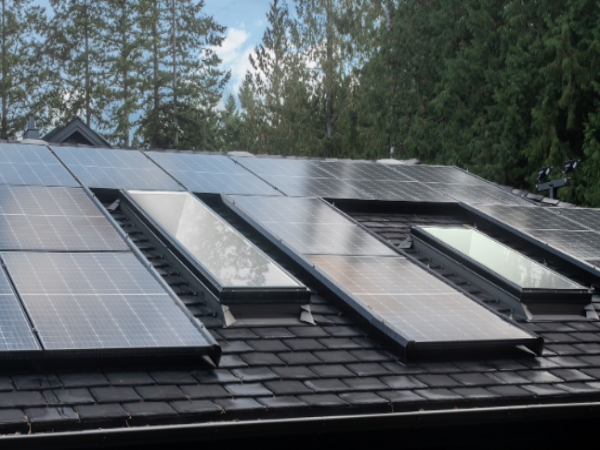
When it comes to upgrading your home with rooflights and skylights. You’re not just chasing aesthetics. You’re making a decision that impacts your energy use. Comfort. And resale value. But with that choice comes a wave of questions: Will it leak? Will it overheat the room? Is it really worth the investment? These concerns echo through homeowner forums and renovation chats everywhere. Backed by data from the U.S. Department of Energy. And top-rated manufacturers this guide will help you confidently choose energy efficient skylights that look great and perform long-term.
Energy Benefits of Rooflights & Skylights
Adding a rooflight doesn’t just bring more light. It reduces your dependence on artificial lighting. And helps you manage heating and cooling more efficiently. Most well-designed skylights can cut down on electricity use during the day. And help lower HVAC loads when paired with the right glazing. Double or triple-glazed units with low-E coatings and argon fills make all the difference. According to the U.S. Department of Energy, these skylights can balance visible light and solar heat gain to avoid overheating in summer or heat loss in winter. Trusted brands like offer shades that improve energy efficiency by up to 45%, giving homeowners even more control over indoor comfort. With modern skylights, you can turn passive daylight into active savings without the outdated risk of turning your home into a greenhouse.
Choosing the Best Frame Materials
Frame material is more than a style decision. It directly affects energy performance and long-term efficiency. When you compare options under Rooflights & Skylights UK, look beyond aesthetics. Timber and uPVC frames offer better insulation naturally, making them great for preventing condensation and heat loss. Aluminium, while sleek, can be a problem if it lacks proper thermal breaks. Research published in MDPI shows that wood outperforms aluminium and PVC in both thermal regulation and sustainability when sourced responsibly. Brands like FAKRO and Keylite, known for high-performance roof windows, provide options with strong U-values (as low as 0.74 W/m²K) and built-in thermal collars. The key takeaway? A beautiful skylight that leaks heat isn’t beautiful for long. Prioritise frame performance to get both energy savings and year-round comfort.
Adding Ventilation Features
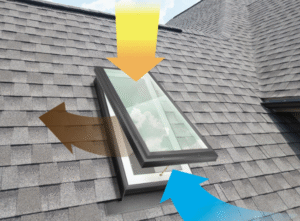
Ventilation is where skylights really prove their worth. Fixed glass only lets in light. Venting rooflights let your home breathe. Opening skylights use the natural chimney effect—warm air rises and escapes through the opening, drawing in cooler air below. This helps reduce stuffiness, moisture build-up, and cooling costs. The Whole Building Design Guide confirms that stack ventilation can significantly improve indoor air quality when properly designed. Columbia Skylights explains how this feature removes hot, stale air while encouraging fresh air flow in kitchens, bathrooms, and lofts. Whether manual or solar-powered, venting skylights give you year-round flexibility. Especially in homes with poor airflow or limited window space, this upgrade is both practical and energy-smart.
Ensuring Proper Installation
Here’s the truth most homeowners learn too late: the majority of skylight problems aren’t due to product flaws. They come from poor installation. Whether you’re adding new rooflights or upgrading alongside Roof Lanterns. Getting help from an expert installer is what keeps leaks and inefficiency at bay. The Department of Energy recommends mounting skylights above the roof surface, using manufacturer-approved flashing kits, and paying close attention to roof pitch.
Environmental Benefits
Daylighting offers the rare benefit of being both energy-saving and environmentally clean. Once installed, skylights provide natural light with zero ongoing energy draw. Over time, that reduces carbon emissions from lighting and HVAC systems. Choosing materials like responsibly sourced timber. Or high-performance uPVC also lowers the product’s embodied carbon. A lifecycle analysis published in MDPI found that timber frames outperformed both PVC and aluminium when it came to environmental impact. Plus, as building codes evolve to demand lower U-values and better solar heat control. Selecting efficient rooflights today will help you future-proof your home. Beyond metrics. Daylight improves well-being. Supports natural circadian rhythms. And makes your home feel more inviting without requiring more energy.
Maintaining Efficiency Over Time
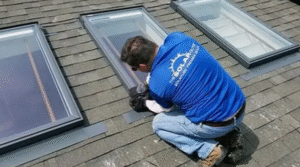
Even the best skylight needs a little maintenance to stay efficient. Over the years, seals can degrade, insulated glass units can fail, and flashing can get damaged—especially after storms. That’s why pros recommend inspecting your skylights at least twice a year. Check for condensation, blocked weep holes, and worn-out seals. Clean the glazing to maintain light clarity and replace units if the internal gas seal breaks. According to Sunsquare and other manufacturers, failed seals significantly reduce insulation and can even cause mold issues. A small habit of seasonal checkups can preserve energy performance and avoid costly repairs. Just like any high-performance product. Skylights deliver best when they are looked after.
Conclusion
Choosing the right rooflights and skylights isn’t about picking the prettiest frame or cheapest option. It’s about investing in energy efficiency. Ventilation. And long-term performance. With high-performance glazing. Well insulated frames. And certified installation, your skylight becomes a smart upgrade instead of a risky luxury. It brings in light, lowers energy bills, and helps your home breathe better all year round. So if you’ve been on the fence, now’s the time to act. Because when chosen wisely, skylights do more than brighten a room. They improve the way you live in it.