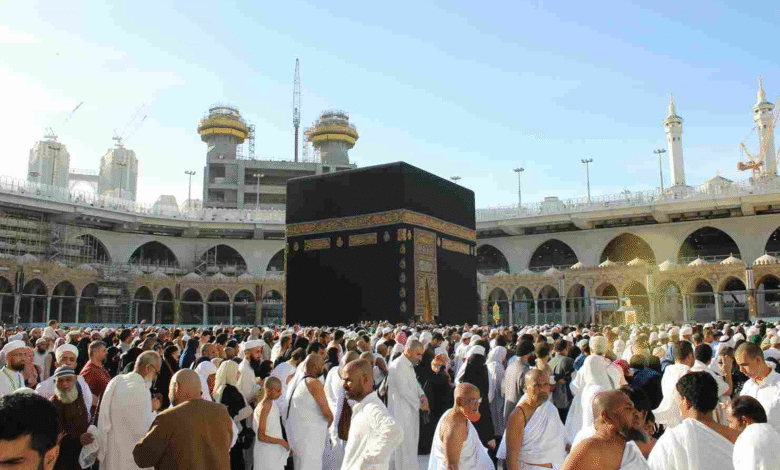
The sacred city of Makkah holds profound importance in the hearts of Muslims worldwide. Every year, millions of pilgrims travel to this holy destination not only to perform Hajj or Umrah but also to engage in Ziyarat—a spiritual journey to visit sites connected to the life of Prophet Muhammad ﷺ, his companions, and pivotal events in Islamic history. Performing ziyarat in makkah allows believers to reconnect with the origins of their faith, deepening both knowledge and devotion.
Undertaking this journey with a knowledgeable guide enhances the entire experience. A guide does more than lead; they illuminate the historical, cultural, and spiritual significance of every site. From Jabal al-Nour, where the first revelation descended, to Masjid al-Jinn, where Prophet Muhammad ﷺ preached, each location tells a story that shapes Islamic identity. This article explores the benefits of performing Ziyarat in Makkah with guidance, uncovering the emotional, educational, and spiritual rewards that await pilgrims on this sacred path.
What is Ziyarat in Makkah?
The term Ziyarat (Arabic: زيارة) literally means “visit” and, in Islamic context, refers to visiting places of religious and historical significance. In Makkah, Ziyarat includes visiting sacred landmarks associated with the Prophet’s life and the early Islamic community. Unlike the obligatory acts of Hajj and Umrah, Ziyarat is a voluntary yet spiritually enriching practice that enhances one’s connection to Islamic heritage.
Key Ziyarat sites include Jabal al-Nour (Cave Hira)—the mountain where the first verses of the Qur’an were revealed; Cave Thawr, the refuge during the Prophet’s migration to Madinah; and Jabal Rahmah, symbolizing mercy and forgiveness. Visiting these sites offers insight into the struggles and triumphs of early Muslims, strengthening faith through reflection.
For many believers, Ziyarat in Makkah is not simply sightseeing it is a pilgrimage of remembrance, where every step recalls divine revelation, sacrifice, and steadfast belief. Guided tours ensure accurate storytelling and contextual understanding, allowing pilgrims to experience the history that shaped Islam.
Spiritual Importance of Visiting Makkah’s Holy Sites
Performing Ziyarat is a deeply spiritual act of reflection and gratitude. As pilgrims walk the same paths once trodden by Prophet Muhammad ﷺ and his companions, they engage in a profound emotional connection to the roots of Islam. Each visit—whether to Masjid al-Haram, Masjid Aisha, or Jabal Rahmah—invites reflection on themes of faith, humility, and divine mercy.
The journey encourages Tazkiyah (self-purification), promoting mindfulness, patience, and spiritual renewal. Pilgrims often describe feelings of tranquility and closeness to Allah when they visit these sacred places. Witnessing the physical sites of revelation and sacrifice transforms faith from abstract belief into living experience.
Moreover, visiting with a guide amplifies these spiritual moments by providing Quranic and Hadith-based explanations. Understanding the significance behind each site reinforces the pilgrim’s appreciation of Islam’s message—reminding every believer that Makkah is not only a place of rituals but also a living testament to divine guidance.
Why a Guide Enhances Your Ziyarat Experience
Performing Ziyarat is more than visiting sacred locations—it’s about understanding the meaning behind each place. A knowledgeable guide acts as both a historian and spiritual mentor, explaining how each site connects to key moments in Islamic history. For example, at Jabal al-Nour, a guide narrates the profound story of Prophet Muhammad ﷺ’s first revelation, turning a simple visit into a moment of deep spiritual reflection.
Guides also ensure that the journey follows proper etiquette and religious respect, preserving the sanctity of each location. They help pilgrims navigate crowded areas safely, plan efficient routes, and offer insights that might otherwise be missed. In many cases, guides are certified scholars or historians, trained to provide authentic Islamic knowledge supported by Hadith and Seerah (Prophetic biography).
Ultimately, traveling with a guide transforms the experience of Ziyarat from mere sightseeing into a meaningful spiritual journey, allowing pilgrims to fully appreciate the legacy of Islam and strengthen their personal connection with the sacred.
Historical Sites to Visit During Ziyarat in Makkah
Makkah is a living museum of Islamic history. Each site visited during Ziyarat tells a unique story about the birth and growth of Islam. Among the most revered places are:
- Jabal al-Nour (Cave Hira): Where the first revelation of the Qur’an descended upon Prophet Muhammad ﷺ.
- Cave Thawr: The cave where the Prophet and Abu Bakr (RA) sought refuge during the migration to Madinah.
- Jabal Rahmah: The hill where Prophet Adam (AS) and Hawwa (Eve) reunited, symbolizing forgiveness and mercy.
- Masjid al-Jinn: A mosque marking the place where a group of Jinn embraced Islam after hearing the Qur’an.
- Masjid Aisha (Taneem): A miqat (boundary) for those intending to perform Umrah.
Visiting these sites with a qualified guide helps pilgrims grasp their historical, theological, and emotional importance. These visits not only bring history to life but also allow believers to reflect on the enduring message of faith and perseverance that defines the Islamic tradition.
Cultural and Educational Value of Guided Ziyarat
Guided Ziyarat tours offer immense educational and cultural benefits. Many pilgrims, especially first-time visitors, gain a richer understanding of Islamic civilization through storytelling and contextual learning. A well-informed guide connects historical events to Quranic verses, Hadith, and lessons from the lives of the Prophets.
These tours often include narratives about how early Muslims practiced patience, unity, and devotion during hardship—values that still shape the Muslim world today. Through such experiences, pilgrims develop a stronger sense of identity and belonging to the global Ummah.
Culturally, Ziyarat allows visitors to experience Makkah’s hospitality, architecture, and traditions, which have been preserved for centuries. This fusion of knowledge and spirituality transforms Ziyarat into an educational pilgrimage—one that strengthens both the intellect and the soul.
Safety and Convenience of Guided Tours in Makkah
Makkah welcomes millions of pilgrims each year, making proper organization and safety crucial. Guided tours ensure that visitors can perform Ziyarat comfortably and securely. Professional tour operators provide transportation, scheduling, and group coordination, minimizing the stress of navigating unfamiliar routes.
Guides are familiar with crowd patterns, safety regulations, and local customs, which helps prevent confusion or delays. For elderly visitors or families, guided Ziyarat tours offer additional support such as wheelchair access, rest stops, and hydration points.
Moreover, traveling in organized groups fosters a sense of community and companionship, enhancing the emotional and spiritual atmosphere. By choosing a reliable guide or agency, pilgrims can focus on what truly matters—immersing themselves in the sacred experience without worry or distraction.
How to Choose the Right Ziyarat Guide in Makkah
Selecting the right guide can determine the quality and authenticity of your Ziyarat experience. A qualified Ziyarat guide should possess strong knowledge of Islamic history, fluency in multiple languages, and formal training from recognized institutions. Pilgrims are encouraged to choose guides certified by the Saudi Ministry of Hajj and Umrah or reputable tour agencies specializing in religious travel.
When evaluating guides, look for attributes such as clear communication, deep spiritual understanding, and respectful behavior. Reading reviews or seeking recommendations from previous pilgrims can help identify trustworthy professionals. A skilled guide doesn’t merely narrate facts but also provides contextual insights, connecting events from the Prophet’s life to the teachings of the Qur’an and Sunnah.
Avoid unlicensed individuals or agencies that offer unrealistic promises. A legitimate guide ensures a balanced experience—one that is historically accurate, spiritually meaningful, and logistically smooth. This combination allows pilgrims to engage in Ziyarat with confidence and sincerity.
Connecting Ziyarat with Broader Islamic Practices
Ziyarat in Makkah complements the pillars of Islamic worship, particularly Hajj and Umrah. While Hajj is obligatory once in a lifetime and Umrah is a Sunnah act, Ziyarat deepens understanding of both by connecting pilgrims to the spiritual and historical foundations of Islam.
Through Ziyarat, believers learn about the challenges faced by Prophet Muhammad ﷺ, the devotion of his companions, and the moral values that guided early Muslims. This awareness strengthens one’s Iman (faith) and encourages continuous self-improvement in daily life.
Additionally, many pilgrims extend their journey to other holy cities such as Madinah, visiting the Prophet’s Mosque (Masjid an-Nabawi) and sites like Quba Mosque and Uhud Mountain. Together, these visits create a holistic spiritual journey—uniting faith, history, and personal reflection into one transformative experience.
Conclusion
Performing Ziyarat in Makkah with a guide offers an experience that blends spirituality, history, and education. It allows pilgrims to understand the deeper meaning behind every sacred site, connect emotionally with the legacy of Prophet Muhammad ﷺ, and experience the tranquility that comes from walking the same paths where revelation once descended. A guided Ziyarat transforms a simple trip into a journey of faith renewal and self-discovery.
Beyond Makkah, pilgrims often extend their travels to explore other culturally rich destinations in Saudi Arabia, including places to visit in Jeddah a vibrant city known for its Islamic heritage, historical architecture, and proximity to the Holy Mosques. Visiting Jeddah after completing Ziyarat offers a balanced experience that combines spiritual reflection with cultural exploration.
In essence, Ziyarat is not only a journey through sacred geography but also a path to inner enlightenment. When done with the right guide, it connects believers to their faith, enriches their understanding of Islamic history, and leaves them spiritually rejuvenated long after their return home.