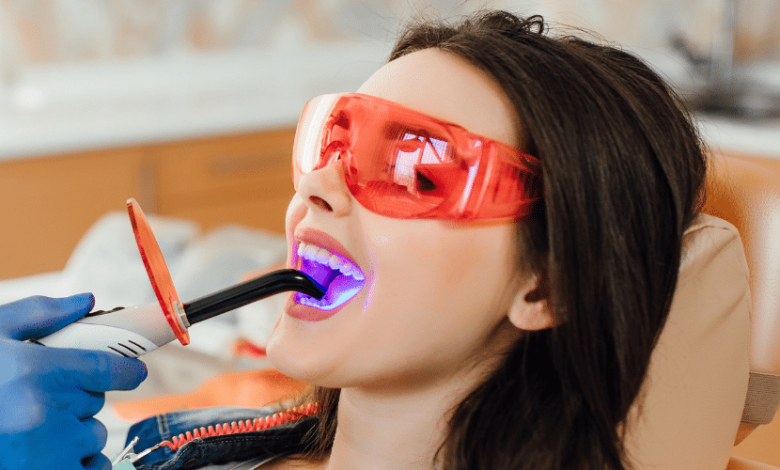
Oral cancer grows in silence. You may feel healthy. You may see no clear signs. Yet small changes in your mouth can turn into a life‑threatening disease before you notice anything is wrong. That is why regular screenings matter. Your routine visit is not only for clean teeth. It is also a chance to catch cancer early, when treatment works best, and recovery is more likely. During an exam, your provider checks your tongue, gums, cheeks, and throat. They look for spots, lumps, or wounds that do not heal. You might feel nervous or unsure. You might fear bad news. Still, skipping screenings leaves you unprotected. Early checks protect your health, your speech, and your ability to eat and smile. If you visit a dental office in Southeast Denver, you deserve clear answers and steady care that keeps you safe during every routine appointment.
What Oral Cancer Screening Really Means
An oral cancer screening is a careful look at your mouth, face, and neck. You stay awake. You stay in the chair. There is no special prep.
Your provider will usually:
- Ask about pain, sores, or changes in your mouth
- Look at your lips, gums, tongue, and the floor and roof of your mouth
- Check your throat and the back of your tongue
- Feel your jaw and neck for lumps or swelling
The visit feels like a normal exam. You breathe, talk, and swallow as usual. The goal is simple. Find trouble early so you can act fast.
Why Early Detection Matters To You And Your Family
Oral cancer that is found early is easier to treat. It often needs less harsh treatment. It gives you a stronger chance to keep normal speech and eating.
According to the National Cancer Institute, mouth problems can affect nutrition, sleep, and daily life. When cancer grows unnoticed, it can spread to lymph nodes or other organs. That raises the risk of long treatment and lasting damage.
Early detection can help you:
- Keep more healthy tissue
- Lower treatment time
- Reduce time away from work and family
It also gives your family fewer shocks. You face news with more options and more control.
Key Risk Factors You Should Know
Oral cancer can affect anyone. Yet some habits and exposures raise your risk.
You face a higher risk if you:
- Use cigarettes, cigars, pipes, or smokeless tobacco
- Drink alcohol often
- Have human papillomavirus, or HPV, infection
- Spend long hours in the sun without lip protection
- Have a weak immune system
Age, family history, and past cancer also matter. Even if you avoid all known risks, you still need regular checks. Cancer does not always follow the rules.
Common Warning Signs You Should Not Ignore
Some signs seem small or easy to excuse. You might think they come from biting your cheek or from spicy food. If they last, they need attention.
Call your provider if you notice:
- A sore in your mouth that does not heal within two weeks
- Red or white patches on your gums, tongue, or cheeks
- A lump, thick spot, or rough patch
- Pain, burning, or numbness in your mouth or lips
- Loose teeth without clear cause
- Problems chewing, swallowing, or moving your tongue
- Changes in your voice or chronic sore throat
These signs do not always mean cancer. They still deserve a fast exam. Waiting out of fear gives disease more time.
How Often You Need An Oral Cancer Screening
The American Cancer Society and other groups link screenings to routine dental visits. For most adults, that means at least once or twice each year.
In general:
- Children and teens get checks during routine exams
- Adults with low risk get checks once or twice each year
- Adults with higher risk may need checks more often
Talk with your provider about your tobacco use, alcohol use, HPV status, and family history. Then agree on a schedule that fits your risk and your comfort.
What To Expect During A Screening Visit
You can prepare with three simple steps.
- Arrive with a list of any mouth or throat changes
- Share updates on smoking, drinking, or new medicines
- Ask clear questions about anything that worries you
If your provider sees something unusual, they may suggest:
- A short follow-up visit to see if it heals
- A referral to a specialist
- A biopsy, where a small tissue sample is tested
A biopsy can sound scary. Yet it often gives relief. Clear answers end long fear and guessing.
By The Numbers: Why Screening Matters
Oral cancer statistics show the weight of this disease. They also show the power of early checks.
| Measure | Early Detection | Late Detection
|
|---|---|---|
| Chance cancer is still local | Higher | Lower |
| Extent of surgery | Often smaller | Often larger |
| Impact on speech and eating | Often less severe | Often more severe |
| Recovery time | Shorter on average | Longer on average |
| Cost and strain on family | Lower | Higher |
These patterns reflect what many studies show. Earlier care protects health and daily life. The Centers for Disease Control and Prevention reports that thousands of people receive an oral or throat cancer diagnosis each year. Regular screening gives you a chance to change how that story unfolds.
How To Protect Yourself Between Visits
Your choices at home matter as much as your time in the chair. You can lower risk and spot changes faster.
Simple steps include:
- Quit tobacco in all forms
- Limit alcohol use
- Use lip balm with sun protection
- Brush and floss every day
- Check your mouth monthly in a mirror
During a self-check, look at your gums, tongue, and cheeks. Feel along your jaw and neck. If you see or feel something odd that stays for more than two weeks, schedule a visit.
Talking With Your Provider About Screening
Some people feel shy raising cancer fears. You may worry about sounding dramatic. Your concerns are valid. Your provider wants you to speak up.
You can start with three direct questions.
- Did you check for signs of oral cancer today
- What should I watch for at home
- How often do you recommend screenings for me
Clear questions lead to clear answers. They also build trust. That trust helps you return on time and act fast if a concern arises.
The Bottom Line For You And Your Loved Ones
Oral cancer screenings belong in routine care. They are not extra. They are not optional. Each visit is a chance to guard your voice, your smile, and your time with the people you love.
When you sit in the chair, you do more than clean your teeth. You give yourself a stronger chance to face cancer early or avoid it. That choice deserves respect. It also deserves support from every provider who cares for you.