What Are Electrically Actuated Valves and Why Are They Important in Various Systems?

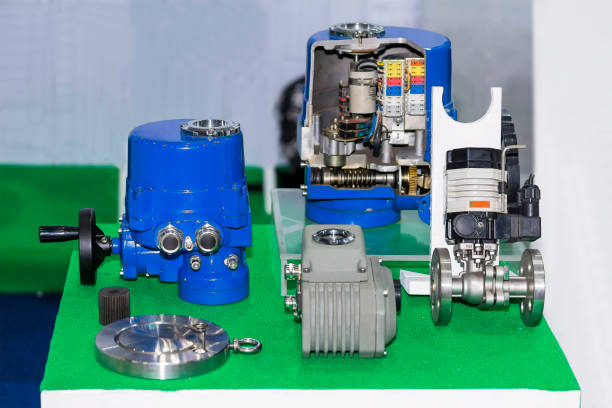
Most industries today incorporate automation and control systems for all or a part of their operations. Such control systems include electrically actuated valves and control systems for various functions in diverse industries from production to energy. This article aims to familiarize the reader with the basics of electrically actuated valves and their advantages and to discuss their importance in contemporary systems for B2B companies needing dependable industrial valves.
Electrically Actuated Valves Explained
An electrically actuated valve consists of a valve and an electrically controlled actuator mechanism. This actuator mechanism automates the closing and opening of the valve, which provides a control the flow of a liquid or a gas in a system. In contrast with other actuators that use compressed gas, liquid hydraulics or a combination of both, electric actuators provide a greater control efficiency for many purposes.
Industries such as oil and gas, water treatment, chemical processing, food and beverage manufacturing, and HVAC systems, all utilize electrically actuated valves. These valves can adapt to and fulfill numerous functions, which is why they are vital for systems that demand accuracy and dependability.
The Role of Electrically Actuated Valves in Modern Systems
Automation and precision are necessary for improved modern systems. With the design and operation of systems around electrically actuated valves, the movement of liquids and gases can be manipulated with unparalleled precision. These valves can be incorporated into fully automated systems, providing operators the ability to control systems remotely and in real time.
The use of these valves permits automation, which reduces the chances of people making mistakes, which is one of the most important factors in improving safety and process efficiency in industries with intricate operations. Electrically actuated valves improve the reliability of a system, which also enhances productivity and reduces the chances of failure.
Advantages of Electrically Actuated Valves
Each of the points below explains why these valves are important features of today’s industrial systems:
Enhanced Accuracy
Electric actuated valves are the most precise type of valve available because of the total control over the position of the valve. This increases the ability to control the flow rates. This is the case in the pharmaceutical and food processing industries where there are stringent requirements for quality control. These industries require valves for systems where there is little tolerance for error and precise control of flow is needed.
Electric actuated valves also allow control of the operation within closer limits. This is valuable for increasingly precise systems where there is a premium on accuracy.
Increased Efficiency
While all valves use energy, pneumatically and hydraulically controlled valves use more energy. Because of the compressors and hydraulic pumps that are designed to connect with these systems, the energy needed to operate these valves is considerably more. This reduced energy use makes these valves a more suitable choice for use in systems where there is a desire to minimize the cost of operations and the system’s carbon emission.
Electric actuated valves also require the least maintenance, which is a source of energy savings after the valve is installed. This is the case because the other systems (pneumatic, hydraulic) have maintenance intensive components to manage the energy supply.
Maintenance is Simpler
Maintaining electrically actuated valves tends to be easier than maintaining other types of valves. Because there are fewer moving parts, electric actuators are not as prone to mechanical wear as pneumatic or hydraulic valves, which simplifies maintenance. Furthermore, there are fewer components to check, and less to be replaced, on a regular basis.
The combination of electric actuators and digital control systems facilitates remote diagnostics and predictive maintenance. Performance monitoring enables real-time tracking of valves, which, coupled with predictive maintenance, identifies and avoids failures. Valves receive predictive maintenance which extends service intervals and reduces costly downtime.
Automation Control and Remote Integration
Electrically actuated valves are able to be incorporated within automated control systems, which facilitates remote monitoring and control. This is especially useful in large and dangerous environments where it might not be safe to intervene manually.
Automated systems allow B2B companies to supervise several valves from a single point and make adjustments when needed according to real-time variables. Connecting automation systems to SCADA or PLC systems improves automation systems efficiency and performance by offering advanced levels of control and flexibility.
For instance, chemical processing plants use electrically actuated valves, and a number of flow and chemical reaction sensors to ensure that processing steps operate within optimal limits on a continuous basis.
Increased Security
Electrically actuated valves allow the automation of processes that traditionally required a lot of manual control. However, remote control and automation of high-pressure systems still pose risks. These risks come from the valves and complex control systems of remote control and high-pressure systems in automation holders. Systems that are automation holders control real-time high-pressure processes that require adjustments that are based on valves.
The valves that are in chemical and gas regulation are the valves that usually require advanced remote control. To ensure that valves that are electrically actuated guarantee automation of processes within a chemical processing plant, switches are used to remote control the valves. Remote control switches and electrically actuated valves are the processes that control automation systems of chemical processing plants.
The valves that are in chemical and gas regulation are the valves that usually require advanced remote control. To ensure that valves that are electrically actuated guarantee automation of processes within a chemical processing plant, switches are used to remote control the valves. Remote control switches and electrically actuated valves are the processes that control automation systems of chemical processing plants.
The Importance of Electrically Actuated Valves in Today’s Industries
Due to the intricacies in tailoring solutions to the precise needs of any industry, the need for safe, reliable and controlled solutions increases. Electrically actuated valves fulfill all these requirements by providing:
-
Predictability: They function with precision, which is crucial for any industry with definable and precise operational requirements.
-
Automation Compatibility: Automatically controlled systems ensure the unattended operational sequences which improves productivity.
-
Operational budget control: The systems save operational budgets because they require minimal maintenance and consume little energy.
-
Remote Safety: The ability to operate systems remotely, particularly in dangerous territory, is accompanied with the installation of ‘fail-safety’ control mechanisms.
Sectors with complex systems comprising numerous variables and parameters like chemical, energy, and pharmaceutical, were the first to utilize control systems and automation through these valves. They offer both optimal operational risk control and uncompromised quality for these businesses that require sustained competitiveness.
Choosing the Correct Solutions for Industrial Valves
B2B clients wishing to automate their operations using electrically actuated valves need to make the appropriate choice in industrial valves. Working with qualified valve suppliers allows businesses to gain access to appropriate valves constructed to their valve specifications. The appropriate supplier will recommend the appropriate valve type for varying applications, provide tailored options, and properly incorporate the valves into the existing systems.
A business assessing options for industrial valves would make a better decision by considering the following:
-
Automation and remote control capabilities.
-
Safety requirements.
-
Environmental conditions.
-
Controlling the pressures and temperatures.
-
Controlling the flowing fluid or gas.
Professional assessment will assist clients in achieving seamless, safe, and efficient operations per their systems.
Conclusion
The incorporation of electrically actuated valves into industrial systems allows for even greater accuracy and control features along with other attributes such as safety and energy efficiency. The incorporation of automated control systems has revolutionized the industry for the management of gas and fluid flow. This has enabled businesses to significantly reduce operational costs while improving the optimization of their processes. Electrically actuated valves are especially essential for B2B systems that are meant to boost system efficiency and achieve operational excellence. Collaborating with trustworthy providers of industrial valve solutions allows valves to be tailored to match the system’s application requirements which in turn enhances productivity, minimizes maintenance costs, and improves safety.