Poor surface performance drains budgets fast. Many property owners underestimate how machine lay tarmac pricing truly works. Serious infrastructure failures often start with incorrect cost assumptions and rushed installation decisions.
Experienced contractors solve this by controlling materials, machinery, and execution precision. This guide breaks down real machine lay tarmac costs in the UK using field-tested knowledge, not estimates.
You will see how surfacing cost forms, where money is lost, and how professionals deliver long-term durability with structured planning. Costs change by ground condition, layer depth, machinery size, and access control. Understanding each step prevents overspending and premature surface failure.
Machine Lay Tarmac Costs in the UK Breakdown
Understanding machine lay tarmac pricing requires looking beyond square metre figures. Real costs form through layered decisions involving materials, plant, labour, and ground behaviour.
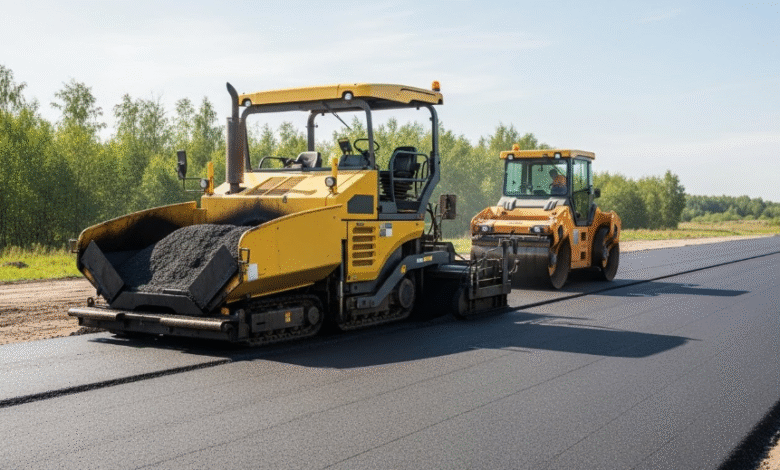
Machine lay tarmac costs in the UK usually range between £45 and £90 per square metre. Variations come from delivery infrastructure demands, depth requirements, and site complexity. Machine laid surfaces outperform hand-laid work when executed correctly. The machinery ensures uniform compaction and consistent thickness across the surface.
Tarmac pricing rises when sub-base preparation is weak or inconsistent. A poor base increases material usage and labour time. Delivery infrastructure also plays a critical role. Restricted access, traffic control, and staging zones increase operational cost. These are not optional factors in commercial or municipal projects.
Pothole repair using machine lay tarmac costs less per repair when planned as part of a resurfacing cycle. Reactive repairs increase mobilisation charges. Tyre repair incidents often spike on poorly compacted surfaces, increasing liability risks for property owners.
Ground Conditions That Control Surfacing Cost Accuracy
Ground behaviour decides whether the machine lays tarmac or fails. Experienced installers assess soil strength, moisture retention, and existing layers before quoting. Ignoring this stage inflates future maintenance costs.
Soft ground requires stabilisation layers before tarmac installation. This increases surfacing cost but prevents deformation. Hard concrete bases may need bonding layers to ensure adhesion. Drainage faults under the surface always increase long-term repair frequency.
Uneven ground forces machines to compensate with additional tarmac depth. That directly increases material volume. Accurate ground assessment keeps costs predictable and performance stable.
Machinery Selection And Its Impact On Cost Control
Machine selection determines output speed and surface consistency. Professional contractors match machinery size to project scale. Incorrect equipment selection increases waste and downtime.
Remember:
- Large pavers reduce labour hours per square metre
- Roller weight controls final surface density
- Incorrect machine size causes material wastage
- Efficient plant flow improves joint consistency
- Downtime increases overall project cost
Large pavers reduce labour hours on wide delivery infrastructure projects. Smaller machines suit confined commercial sites. Roller compaction strength affects tarmac density and lifespan. Under compacted surfaces fail early.
Machine efficiency reduces joint failure and surface cracking. This lowers future pothole repair frequency and tyre repair claims. Long term value often outweighs short term equipment cost differences.
Material Composition Choices That Shift Pricing
Tarmac is not a single material. Bitumen ratio, aggregate size, and layer composition influence both cost and durability. Experienced installers select mixes based on usage load.
Heavy traffic areas require stronger aggregate blends. This increases upfront surfacing cost but extends service life. Light access areas allow cost-efficient mixes. Weather exposure also impacts material choice.
Incorrect mix selection leads to early surface traveling. That raises maintenance cycles and overall ownership cost. Professional planning prevents this mistake.
Installation Depth Decisions That Define Longevity
Layer depth is a major cost driver in machine lay tarmac projects. Shallow installations save money initially but fail under load stress.
Commercial delivery infrastructure often requires deeper base and binder layers. Residential access routes may use reduced depth safely. Depth consistency across the site prevents weak zones.
Experienced installers calculate depth using traffic type and axle weight. This approach balances surfacing cost and lifespan without overbuilding.
Access Constraints And Delivery Infrastructure Costs
Restricted access increases project complexity. Delivery infrastructure planning controls material flow and machine movement. Poor access planning inflates labour hours.
Urban sites require traffic management and staged delivery. Rural sites may face long haul distances. Both conditions affect pricing differently. Efficient access planning reduces machine idle time. That directly lowers machine lay tarmac costs in the UK.
Weather, Timing And Programme Control Effects
Weather influences tarmac installation quality. Cold or wet conditions compromise compaction. Experienced contractors schedule work to avoid material waste.
Delays increase plant hire and labour costs. Poor timing results in surface defects. These defects later become pothole repair liabilities. Controlled scheduling protects surface integrity and budget stability.
Quality Control Measures That Prevent Cost Leakage
Quality checks during installation prevent future failures. Density testing ensures correct compaction. Visual inspection identifies joint weakness early.
Ignoring quality control creates hidden repair costs. Tyre repair incidents often trace back to surface defects. Preventative checks reduce liability. Experienced teams embed quality control into every step. This protects both performance and financial outcomes.
Professional Versus Reactive Pothole Repair Costs
Planned resurfacing reduces pothole repair expenses significantly. Reactive repairs cost more due to emergency mobilisation and material wastage.
Machine lay tarmac allows seamless integration of repairs into resurfacing programmes. This lowers per unit repair cost. Proactive maintenance protects delivery infrastructure and reduces user complaints.
Machine Lay Tarmac Cost Comparison Table
| Project Type | Typical Cost Per m² | Lifespan Expectancy |
| Residential Access | £45 to £60 | 12 to 15 years |
| Commercial Yards | £60 to £80 | 15 to 20 years |
| Delivery Infrastructure | £70 to £90 | 18 to 25 years |
| Reactive Pothole Repair | £90 to £120 | Short term |
Frequently Asked Questions
How long does machine lay tarmac last in the UK climate?
A properly installed machine lay tarmac lasts between 15 and 25 years. Lifespan depends on base strength, traffic load, and maintenance frequency. Poor drainage shortens service life significantly.
Is machine lay tarmac cheaper than block paving?
Machine lay tarmac usually costs less upfront than block paving. It installs faster and requires fewer materials. Long-term maintenance costs are also lower when installed professionally.
Can machine lay tarmac handle heavy delivery vehicles?
Yes when designed correctly. Adequate depth, strong aggregates, and proper compaction allow it to support heavy delivery infrastructure without deformation or cracking.
Why do potholes reappear after repair?s
Potholes return when underlying issues remain untreated. Weak base layers, water ingress, and poor compaction cause repeat failure. Full-depth machine lay tarmac repairs solve this.
Does tarmac quality affect tyre repair frequency?
Yes significantly. Poorly compacted or cracked tarmac damages tyres. Smooth, dense surfaces reduce punctures and sidewall stress, lowering tyre repair incidents.
Final Cost Reality Behind Machine Lay Tarmac Decisions
Machine lay tarmac costs in the UK are shaped by disciplined planning, not surface pricing. Ground behaviour, material selection, machinery control, and installation depth work together to define long-term value.
When these factors are managed by experienced professionals, surfacing cost remains predictable and performance stays consistent. Ignoring any stage leads to early defects, repeated pothole repair, and higher ownership expense.
A structured, machine-led approach delivers durable tarmac that supports delivery infrastructure, protects tyres, and safeguards investment for years, not seasons.