How Companies That Build and Sell Floating Docks are Changing the Maritime and Waterside Sector

Innovation and flexibility are advancing and redefining the design, construction and maintenance of waterfront projects in the growing marine and waterfront infrastructure sector. The demand for sustainable and long-lasting floating docking facilities continues to grow and incorporate new uses, including marinas and aquaculture, to ports and industrial and commercial loading docks. Floating docking companies are pioneering this sector and hyper-specializing in the design of modular, customizable, sustainable and efficient docking systems multifunctional systems to meet the market demand.
Today, plastic floating bridges are not simply offerings of deployed, unmoored, and floating pieces of real estate. They are sophisticated engineered systems, and this article examines how floating docking companies have catalyzed and shaped marine B2B waterfront development and why these companies are foundational to the new marine economy.
The History of Floating Docks
As long as there have been waterfronts to construct, there have been fixed docks, and for decades, these dominated the construction of waterfronts. Fixed docks provided stability, but also presented a host of issues, including expense, prolonged installation times and susceptibility to changes in water levels. The advent of floating docking companies has changed that paradigm. Through the implementation of new and innovative materials, as well as modular engineering, these systems have achieved flexibility and resilience long missing from traditional dock designs.
Businesses looking for pontoon docks for sale will find modular systems to be the best option economically. These systems can be constructed on-site with ease, and they even allow for future expansion or reconfiguration, which is especially important for aquaculture, marinas, and industrial waterfronts.
Customization: Delivering Tailored Waterfront Solutions
Every waterfront project is unique by nature — be it a recreational floating marina, working port, or floating construction platform — and that is the key strength of companies that sell floating docks.
Design Flexibility and Scalability
There is virtually unlimited customization to modular (floating) docks, thanks to their modular construction. Companies can select the size, shape, buoyancy, and load capacity for their construction/deployment as they best see fit for the use and site where the docks will be. Designs can incorporate fueling stations, electric outlets, fenders, railings, and even mooring cleats for enhanced integration and efficiency.
This flexibility also means that docks can adapt with the business. As business activities are extended, additional modules can be added without the expensive disruptions that come with the demolition of permanent docks.
The Industrial and Commercial Sectors
Heavy duty modular docks are also beneficial to industries beyond the maritime sector. Reinforced pontoon docks for sale are able to support cranes, trucks, and other heavy machinery, and can be utilized for ship repairs, cargo management, and construction. Their versatility allows for more efficient and safer nearshore and offshore remote work.
The Need for Safety
B2B marine environments are inherently risky and floating dock systems are designed with safety features such as anti-slip surfaces, radiused corners, strong connection points and modular designs that can incorporate ramps and railings to accommodate movement.
All of these features work to lower commercial safety liabilities and provide long-lived dock systems designed for frequent use.
The Future of Construction
The current marine construction floating docks prioritize sustainability and low impact construction that protects the habitats of aquatic life. The use of responsible materials has also become a staple of the industry as environmental responsibility is now at the forefront of marine construction.
Eco-Friendly Materials
The most used material in the sector over the years has been high density polyethylene (HDPE) since it is durable and is the most recyclable. Moreover, it has chemical and UV exposure resistance, and also does not leach any toxins. Eco-friendly options made from aluminum and concrete, last for decades.
Reducing Ecological Disruption
Unlike the fixed docks that have to build heavy underwater infrastructure, floating systems only sit on the surface of the water, which decreases damage to the seabed. Anchoring devices, built to withstand the marine environment, enable unhindered water movement which is vital to preserving the seabed and the ecosystem. Many designs of floating docks support the use of solar energy and have devices for smart monitoring which creates the possibility of independent operation.
Supporting the Blue Economy
Floating dock systems and sustainability are compatible businesses. This means that floating dock companies have the systems to support sustainable operations, and are, therefore, aligning with the Blue Economy initiatives. The unique designs and systems of floating docks allow businesses to preserve the environment, and therefore, will give sustainable expansion.
Expanding Applications of Floating Dock Systems
The flexibility of floating docks is what most industries benefit from. Floating docks first began as marinas, but their B2B infrastructure uses have also increased.
Marinas and Ports
Floating docks are modern necessities for marinas, providing safe and secured berthing for all class and sized boats and vessels. They adapt and adjust to floating and sinking with the changing water level, providing safe boarding and continued security. Modular designs allow operators to optimize the docking layout, balance the traffic, and expand to new designs as needed.
Aquaculture and Fish Farming
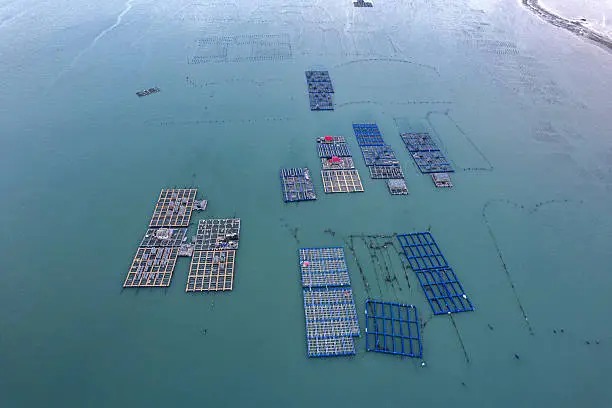
In aquaculture, floating docks make it possible to access fish cages, feeding systems, and maintenance equipment. They are durable and attenuate the constant rough marine conditions to allow for the fish farms to operate with minimal downtime.
Floating Bridges and Walkways
Unique floating structures are being creatively and innovatively deployed to link waterfront properties, islands, and commercial districts. A floating modular plastic bridge and walkway can be economically and rapidly deployed as a substitute to conventional bridgery. Systems designed for either pedestrian or light vehicle use are customizable and provide adequate weight support without the need for enduring foundations.
Industrial Work Platforms
In floating docks, modular designs provide reliable work platforms for offshore maintenance, inspection, and construction. They are designed to support the safe movement and mobility of heavy equipment and can be repositioned with ease to adapt to changing project demands.
Floating Hospitality and Event Spaces
The hospitality industry is also advocating for floating infrastructure. Floating restaurants, cafes and event spaces offer one-of-a-kind experiences on the water. Utilizing modular dock technology, these establishments are able to provide versatility and beauty, coupled with stability and safety.
Innovation Driving the Industry Forward
Floating dock companies are benefitting from technological innovations. Digital design and smart technology are helping the industry evolve to address the challenges of contemporary waterfronts.
Advanced Design and Simulation
Modern engineers rely on technology to create three-dimensional models and simulations, taking into account environmental factors like currents, waves, and load stress. This technology ensures each floating dock design is optimized for safety, performance, and longevity.
Smart Infrastructure
Some of the next-generation dock systems feature real-time monitoring of water levels, temperature, and the dock’s structural integrity. This proactive maintenance approach lowers costs by preventing operational downtime.
Compliance and Certification
Industry leaders in floating dock technology have ISO, SGS, CE, and TUV certifications. This compliance translates to improved safety and quality of the product, making regulatory adherence easier for their global B2B clients.
The Future of Waterfront Development
Waterfront development will rely on sustainable, adaptable, and tech-driven solutions. Floating dock firms have been at the forefront, building infrastructure that goes above and beyond functionality and prioritizes environmental and economic efficiency.
Reduced upkeep, higher scalability, and maintenance costs drive long-term value for B2B businesses. Constructing marina, aquaculture, and industrial waterfronts with pontoon docks for sale will offer adaptive systems for parting.
Floating docks have and will continue to serve as primary infrastructure as the global economy shifts to maritime-focused. Smart engineering melded from sustainable materials and modular designs will continue to innovate the way businesses interact with the world’s waterfronts and bring them to the value lying within.