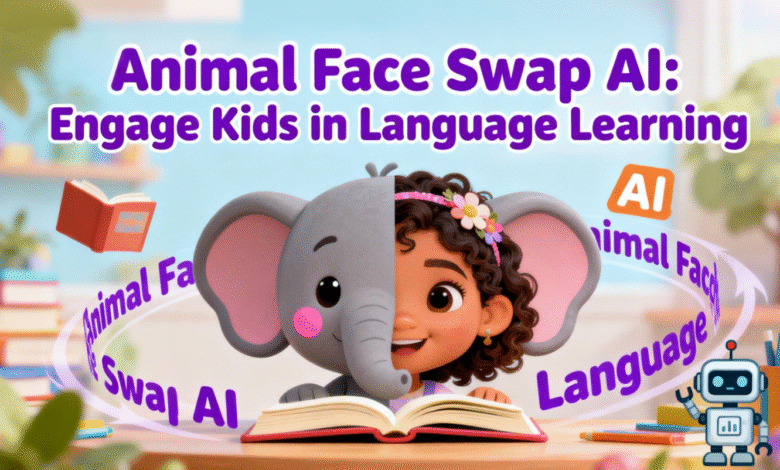
Language learning for children has always benefited from creative, engaging approaches that capture their natural curiosity and playfulness. In recent years, animal face swap technology has emerged as an unexpected yet remarkably effective tool for making language education more interactive and memorable. By allowing children to transform themselves into various animals through AI-powered face-swapping applications, educators and parents have discovered a powerful motivational tool that makes vocabulary building, pronunciation practice, and cultural exploration genuinely exciting. The entertainment value of animal face swap features naturally draws children’s attention, creating positive associations with language learning activities that might otherwise feel tedious or overwhelming. This innovative approach leverages technology that children already find fascinating, transforming screen time into productive educational experiences that build linguistic skills while nurturing creativity and imagination.
Why Animal Face Swap AI Excels for Language Education
Emotional Engagement Through Visual Entertainment
Animal face swap AI technology creates an immediate emotional connection that traditional language learning methods often struggle to achieve. When children see themselves transformed into pandas, lions, puppies, or exotic birds, they experience genuine delight and excitement. This positive emotional state is crucial for learning, as neuroscience research shows that emotions significantly enhance memory formation and retention. By pairing vocabulary lessons with entertaining visual transformations, educators can create powerful memory anchors. For example, when a child learns the Spanish word “elefante” while wearing a digital elephant face, the unusual and entertaining context makes that vocabulary word far more memorable than simple flashcard repetition would achieve.
Reducing Language Learning Anxiety
Many children, especially older learners, experience anxiety when speaking in a new language due to fear of making mistakes or sounding foolish. Animal face swap applications provide a playful buffer that reduces this psychological pressure. When children practice pronunciation while appearing as animals, the playful disguise creates psychological distance from their regular identity, making them more willing to experiment with new sounds and take linguistic risks. This reduced anxiety environment is essential for developing speaking confidence, particularly for shy or self-conscious learners who might otherwise remain silent during language practice sessions.
Multi-Sensory Learning Integration
Animal face swap AI technology enables multi-sensory learning experiences that engage visual, auditory, and kinesthetic learning pathways simultaneously. Children can see themselves transformed, hear target language vocabulary related to animals, and physically mimic animal movements while practicing phrases. This multi-modal approach aligns with educational research showing that engaging multiple senses creates stronger neural connections and improves long-term retention. For instance, a child learning animal names in Mandarin might use face swap to become a 熊猫 (panda), practice saying the word aloud, and waddle around like a panda—creating a comprehensive learning experience that’s far more effective than passive vocabulary memorization.
Practical Applications of Animal Face Swap in Language Learning
Interactive Vocabulary Building Sessions
Animal face swap technology transforms basic vocabulary lessons into interactive adventures. Teachers and parents can create themed learning sessions where children explore animal vocabulary in their target language. For each new animal word learned—whether it’s “gato” in Spanish, “chat” in French, or “猫” in Japanese—children can use the face swap feature to become that animal. This immediate visual reinforcement creates strong word-image associations. Educators can extend the activity by asking children to describe their transformed appearance using target language adjectives, creating compound learning opportunities that build both noun and adjective vocabulary simultaneously.
Pronunciation Practice Through Character Play
One of the most challenging aspects of language learning is mastering unfamiliar sounds and pronunciation patterns. Animal face swap applications create a playful context for pronunciation practice that feels like imaginative play rather than drill work. Children can adopt the persona of different animals while practicing difficult sounds. For example, when learning the French “r” sound, a child might become a growling lion, making the guttural sound feel natural and fun. Similarly, practicing Spanish rolling “r”s can be gamified by becoming a purring cat or roaring tiger, transforming a technical challenge into an entertaining game.
Storytelling and Narrative Development
Animal face swap technology enables children to create their own stories in their target language, developing narrative skills alongside vocabulary and grammar. Using sequential face swaps, children can become different characters in a story they’re telling or acting out. A child learning English might create a story where they transform from a rabbit to a fox to an owl, practicing past tense verbs by narrating: “First, I was a rabbit. Then, I became a fox. Finally, I turned into an owl.” This narrative construction requires children to use complex grammatical structures in a creative, self-directed context that promotes deeper language processing than simple repetition exercises.
Cultural Exploration Through Regional Animals
Different cultures have unique relationships with specific animals, and animal face swap technology can facilitate cultural learning alongside language study. Children learning Mandarin might explore pandas and their significance in Chinese culture, while those studying Australian English could investigate kangaroos and koalas. By becoming these culturally significant animals through face swap, children create personal connections to cultural content. Teachers can pair these transformations with stories, songs, and cultural information in the target language, creating rich, contextualized learning experiences that build both linguistic and cultural competence.
Virtual Language Exchange Activities
Animal face swap features can enhance virtual language exchange sessions between children from different countries. When young learners connect online to practice each other’s languages, face swap technology adds an element of fun that breaks down social barriers and reduces communication anxiety. Children from different linguistic backgrounds can teach each other animal names in their respective languages while all participants use face swap to embody those animals. This shared, playful experience creates common ground and positive associations with cross-cultural communication, fostering the intrinsic motivation crucial for sustained language learning.
Assessment and Progress Tracking Through Play
Educators can use animal face swap technology for informal assessment activities that feel like games rather than tests. Teachers might conduct “animal vocabulary challenges” where children must correctly identify and pronounce animal names in the target language to “unlock” the corresponding face swap filter. This gamified assessment reduces test anxiety while providing educators with clear information about vocabulary retention and pronunciation accuracy. The entertaining format encourages children to voluntarily repeat these activities, providing additional practice opportunities beyond formal lesson time.
Distinctive Features of Animal Face Swap AI for Education
Real-Time Facial Recognition and Tracking
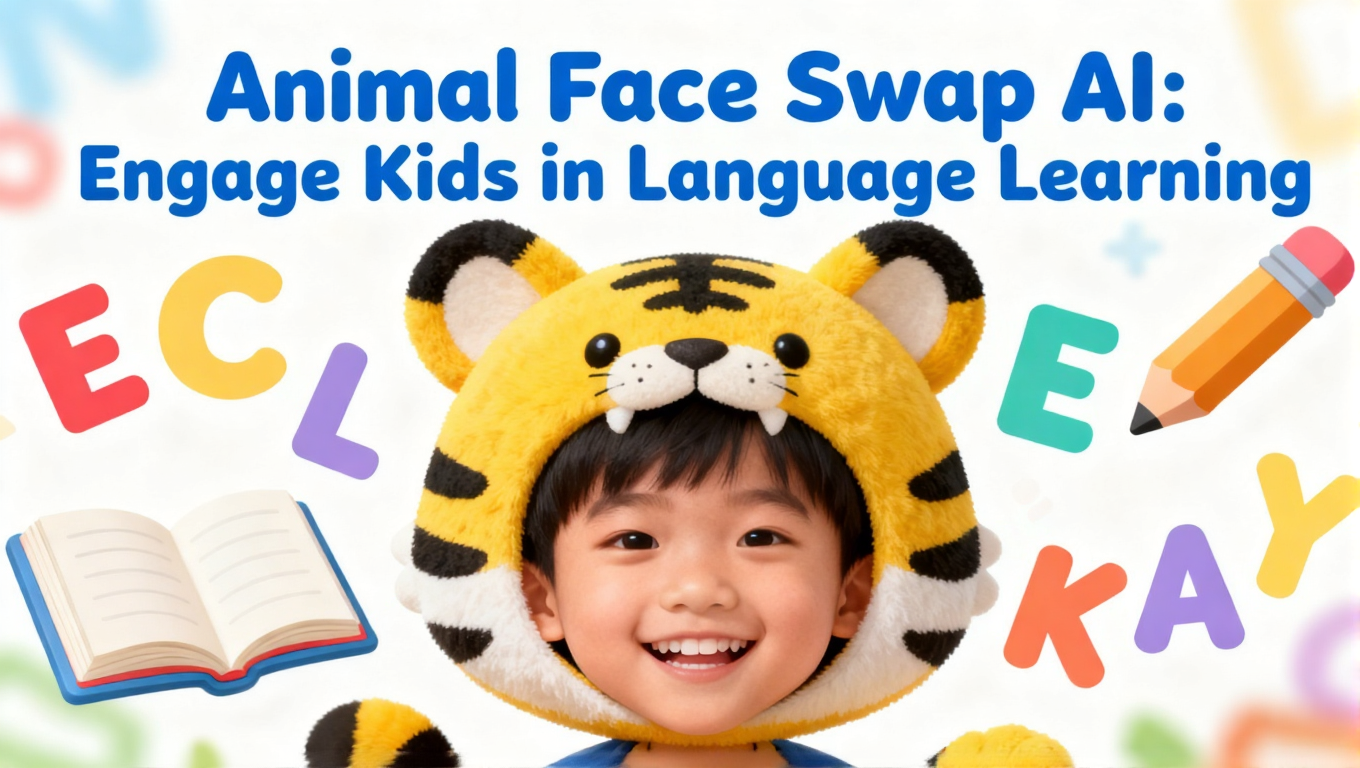
Advanced animal face swap applications utilize sophisticated AI algorithms that detect and track facial features in real-time with remarkable accuracy. This technology seamlessly maps animal characteristics—ears, snouts, whiskers, fur patterns—onto children’s faces, maintaining the illusion even as they move and change expressions. For language learning purposes, this smooth, responsive experience maintains children’s engagement without technical interruptions that might disrupt the learning flow. The reliability of modern face tracking ensures that the novelty of transformation doesn’t wear off quickly, sustaining interest across multiple learning sessions.
Extensive Animal Library with Diverse Species
Quality animal face swap applications offer extensive libraries featuring animals from around the world, enabling educators to align face swap activities with specific lesson themes and cultural content. A comprehensive animal collection allows teachers to plan diverse vocabulary units covering domestic animals, farm animals, wild animals, marine life, birds, insects, and exotic species. This variety prevents the activity from becoming repetitive and enables curriculum alignment with biology content, geography lessons, and cultural studies, creating interdisciplinary learning opportunities that reinforce language skills across multiple subject areas.
Customizable Audio and Language Options
Many modern animal face swap applications include customizable audio features that can display and pronounce animal names in multiple languages. This functionality is specifically valuable for language learners, as children can hear correct pronunciation from native speakers while seeing the written word and experiencing the visual transformation simultaneously. Some applications allow educators to record custom audio, enabling teachers to create personalized content that aligns perfectly with their specific curriculum needs, pronunciation models, and teaching methodology.
Screen Recording and Sharing Capabilities
The ability to record and save face swap videos adds significant educational value by enabling children to create portfolio pieces demonstrating their language progress. Students can record themselves introducing animals in their target language, creating mini-documentaries, or performing skits entirely in the language they’re learning. These recordings serve multiple purposes: they provide material for self-assessment and reflection, create shareable content that builds pride and motivation, and generate authentic artifacts for formal assessment. Parents and teachers can review these recordings to track pronunciation improvement, vocabulary expansion, and growing confidence in language production over time.
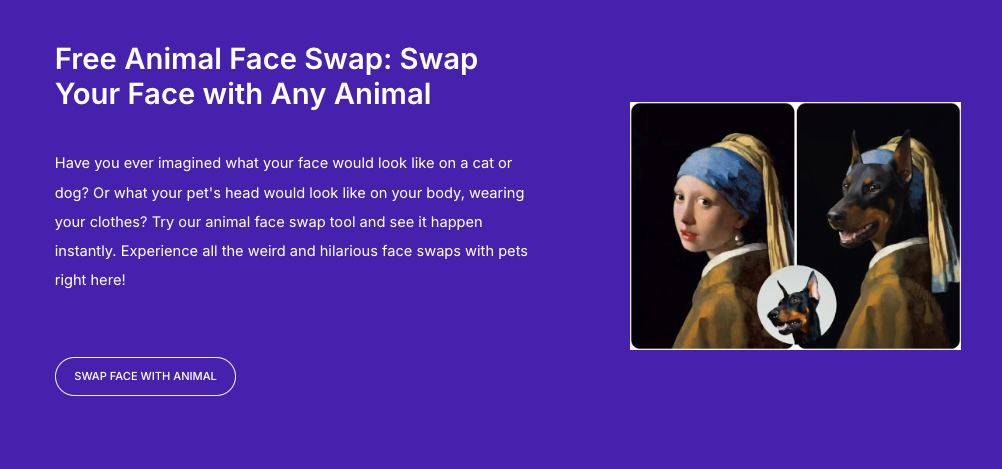
Therefore, the AIFaceswap platform released an Animal face-swapping AI tool that can effectively swap animal faces onto human faces, which is quite interesting.
Conclusion: Transforming Language Learning Through Playful Innovation
Animal face swap AI technology represents a powerful convergence of entertainment and education, creating learning experiences that children genuinely enjoy while building essential language skills. By leveraging the natural appeal of transformation and play, this technology reduces language learning anxiety, enhances memory formation through emotional engagement, and provides countless opportunities for creative language practice. Whether used for vocabulary building, pronunciation practice, storytelling, or cultural exploration, animal face swap applications make language learning feel less like work and more like imaginative play. As educators and parents continue discovering innovative applications for this technology, it becomes increasingly clear that the future of language education lies in approaches that honor children’s natural playfulness while strategically building linguistic competence. By embracing tools like animal face swap AI, we can create language learning environments where children are not just willing participants, but enthusiastic explorers eager to discover new ways of communicating with the world.