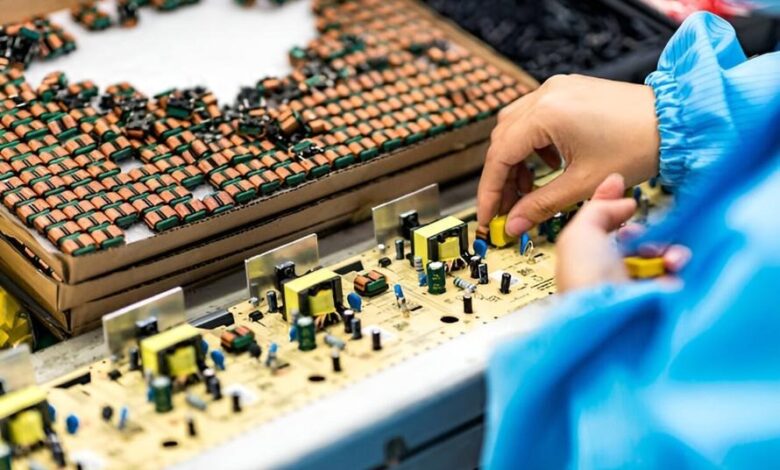
In the modern electronics industry, environmental safety is becoming a top priority. One significant innovation supporting this goal is the Halogen Free PCB. These printed circuit boards are manufactured using materials that exclude harmful halogen elements, such as bromine and chlorine, which are commonly found in traditional PCBs. When burned or discarded, halogen compounds can release toxic gases like dioxins and furans, posing risks to both human health and the environment. Halogen Free PCBs are designed to eliminate these dangers while maintaining high performance and reliability.
Material Standards and Composition
To qualify as halogen free, a PCB must comply with international environmental standards. According to the IEC 61249-2-21 standard, a PCB is considered halogen free if the bromine and chlorine content each fall below 900 parts per million (ppm), and the total halogen content does not exceed 1,500 ppm.
Instead of traditional flame retardants, Halogen Free PCBs use alternative materials such as modified epoxy resins, phenolic compounds, and hydrocarbon-based systems. These replacements provide the same flame resistance, excellent insulation, and enhanced thermal stability—without the environmental impact associated with halogenated compounds.
Benefits of Halogen Free PCB
The adoption of Halogen Free PCB technology provides multiple advantages for manufacturers and end users alike:
- Environmental Safety: By removing halogen elements, these PCBs reduce toxic emissions during manufacturing and disposal.
- Improved Thermal Stability: Halogen Free materials typically offer higher glass transition temperatures (Tg), ensuring durability under heat-intensive applications.
- Enhanced Reliability: They absorb less moisture, which reduces the chances of delamination and extends product lifespan.
- Better Electrical Performance: Their low dielectric loss and stable impedance control make them ideal for high-frequency and high-speed applications.
These characteristics make Halogen Free PCBs a preferred choice for industries where safety, performance, and sustainability intersect.
Applications of Halogen Free PCB
Halogen Free PCBs are widely used in sectors that prioritise both performance and environmental compliance. Common applications include:
- Consumer Electronics: Smartphones, tablets, and computers where manufacturers aim for eco-friendly designs.
- Automotive Systems: Electric vehicles and advanced driver assistance systems benefit from their thermal and mechanical stability.
- Telecommunications: Network routers, servers, and base stations rely on halogen-free materials for consistent signal performance.
- Industrial and Medical Equipment: Where reliability and environmental standards are crucial.
As these industries continue to innovate, the role of Halogen Free PCBs in sustainable manufacturing will only expand.
Manufacturing Considerations
The Halogen Free PCB manufacturing process closely mirrors that of conventional FR4 boards, meaning it can be integrated into existing production lines without major changes. However, due to their higher Tg values and slightly harder material properties, drilling and lamination parameters must be carefully controlled to ensure precision.
Manufacturers should also conduct regular material inspections to verify compliance with halogen-free standards, ensuring every batch meets environmental and quality benchmarks.
Why Choose Halogen Free PCB?
As global regulations such as RoHS, REACH, and WEEE tighten, many electronics manufacturers are shifting toward halogen-free designs to maintain compliance. Apart from meeting legal requirements, companies adopting Halogen Free PCBs demonstrate a strong commitment to corporate sustainability and environmental stewardship.
This transition not only benefits the planet but also enhances brand reputation, especially among environmentally conscious consumers.
Conclusion
The Halogen Free PCB is a major step forward in the pursuit of environmentally responsible electronics manufacturing. It delivers excellent mechanical, electrical, and thermal performance while significantly reducing environmental harm. For companies striving to create high-performance, eco-friendly devices, adopting halogen-free technology is both a smart and responsible choice.
If you are planning to integrate Halogen Free PCBs into your production line, it’s essential to collaborate with a trusted Halogen Free PCB Supplier. The right supplier can provide advanced materials, precision manufacturing, and full compliance with international environmental standards—helping your business stay ahead in both performance and sustainability.