HubSpot Trustpilot: What Reviews Reveal About Customer Experiences
Understanding the Challenges, Praise, and Real Insights Behind HubSpot’s Reputation on Trustpilot

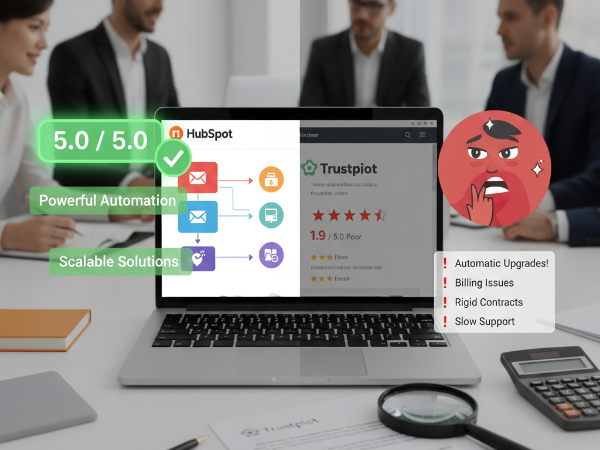
HubSpot Trustpilot reviews provide valuable insights into how customers perceive one of the world’s most widely used CRM and marketing automation platforms. While HubSpot is praised for its user-friendly interface, robust automation tools, and scalable solutions, its Trustpilot profile also highlights recurring customer concerns. Many reviews mention issues with billing practices, automatic upgrades of contact tiers, and challenges with customer support responsiveness. By analyzing HubSpot Trustpilot feedback, businesses can gain a balanced understanding of both the benefits and drawbacks of the platform before making an investment.
Introduction
When evaluating a major business platform like HubSpot, most decision-makers don’t just look at product specifications—they look at customer feedback. Among the many platforms collecting consumer opinions, Trustpilot has become one of the most influential. Reviews written by real users on Trustpilot can make or break a brand’s reputation, and for HubSpot, the story is mixed.
This article takes a deep dive into HubSpot Trustpilot reviews, exploring the most common praise and criticism, identifying patterns, and breaking down what it all means for current and potential users.
What Is HubSpot?
HubSpot is a global software company best known for its customer relationship management (CRM) system. Founded in 2006, it has grown into a comprehensive suite of tools covering:
-
Marketing automation
-
Sales enablement
-
Customer service tools
-
Content management systems (CMS)
-
Operations management
The platform appeals to businesses of all sizes, from startups to large enterprises, and markets itself as an all-in-one growth solution.
What Is Trustpilot?
Trustpilot is one of the largest consumer review websites in the world, allowing customers to leave ratings and feedback on businesses they interact with. Its five-star system and transparency have made it a trusted reference point for buyers.
For companies, Trustpilot reviews can:
Influence reputation and brand perception
Improve or damage trust with potential customers
Provide feedback that shapes business practices
HubSpot’s Trustpilot reviews reveal a complex reputation, blending both strong endorsements and serious criticisms.
HubSpot on Trustpilot: The Overall Score
When looking at HubSpot’s profile on Trustpilot, the first thing that stands out is its low overall TrustScore, around 1.9 out of 5 stars, which categorizes it as “Poor.”
This means that, despite HubSpot’s global success, many of its customers have faced challenges significant enough to leave negative reviews.
The reviews are mixed, with a portion of users praising HubSpot’s features, while others criticize pricing practices, contract terms, and customer service.
Positive Experiences Highlighted on Trustpilot
Not all reviews are negative. Many users have shared positive feedback about HubSpot, particularly focusing on:
User-Friendly Interface
HubSpot’s design is intuitive, making it easier for marketing and sales teams to adopt the software without steep learning curves.
Automation Capabilities
Customers appreciate automation features such as email workflows, lead scoring, and CRM integrations that save time and improve productivity.
Comprehensive Toolset
Businesses like having a single ecosystem for marketing, sales, and service rather than juggling multiple platforms.
Scalability
Some reviewers note that HubSpot grows with their business, allowing them to start with basic plans and upgrade as their needs expand.
Educational Resources
HubSpot Academy and knowledge hubs are praised for providing free, high-quality learning materials that empower users to maximize the software.
Common Criticisms in HubSpot Trustpilot Reviews
The negative side of HubSpot Trustpilot reviews is significant, and several recurring issues stand out:
Automatic Contact Tier Upgrades
A frequent complaint is that HubSpot automatically upgrades users to higher contact tiers if their marketing contact list exceeds limits. Customers say this often happens without clear warning, and once upgraded, the contract locks them in for the duration of the term.
Billing and Contract Terms
Many reviews mention that HubSpot contracts are rigid. Customers struggle to downgrade or exit agreements, even when their needs change. Automatic renewals and lack of flexibility create frustration.
Customer Support Issues
Some users feel that support is slow or unhelpful, especially when dealing with billing or account disputes. While technical support can be strong, financial concerns seem harder to resolve.
High Costs
HubSpot is often described as expensive compared to competitors, especially as businesses grow. The cost structure tied to contacts, users, and advanced features adds up quickly.
Misleading Expectations
Some reviewers feel the sales process oversold HubSpot’s capabilities or downplayed potential limitations.
Real Review Example
One of the most striking reviews on Trustpilot reads:
“HubSpot automatically upgraded our contact tier and then locked it in for the remainder of our fixed term. Weeks later, they told us half of our contacts weren’t even engaged. This kind of practice feels unfair and predatory.”
This highlights the frustration many customers feel regarding billing and contract management.
Why HubSpot Reviews Are So Polarized
The polarizing nature of HubSpot Trustpilot reviews can be explained by differences in business size, budget, and expectations.
Small businesses may find HubSpot too expensive or restrictive.
Larger companies with dedicated teams often leverage the platform more effectively, appreciating its advanced features.
Contract terms seem to affect nearly all customers, regardless of company size.
This creates a situation where satisfied users highlight HubSpot’s strengths, while dissatisfied users focus on billing and service frustrations.
Lessons from HubSpot Trustpilot Reviews
For prospective customers, the key lessons from Trustpilot feedback are:
Read the fine print carefully. Understand how contact tiers and renewals work before signing a contract.
Plan for scalability. HubSpot can become expensive as you grow, so factor this into your long-term strategy.
Leverage support early. Use HubSpot Academy and community forums to maximize the platform and reduce reliance on paid support.
Monitor contacts closely. Avoid unnecessary tier upgrades by cleaning and managing your database.
Negotiate upfront. Some customers report success negotiating flexible terms at the contract stage.
The Role of Reviews in Decision-Making
Trustpilot reviews, both positive and negative, provide crucial information for decision-makers. While some complaints may reflect individual misunderstandings, the repetition of certain themes—like billing and contact tier issues—suggests systemic challenges.
Businesses considering HubSpot should weigh both the platform’s powerful features and the contractual obligations that come with them.
HubSpot’s Response to Criticism
HubSpot acknowledges billing and contact management issues in its own knowledge base. The company outlines strategies for avoiding automatic upgrades and explains contract rules.
While this shows transparency, many reviewers feel these explanations don’t solve the underlying frustrations, particularly around flexibility and fairness.
Balancing Trustpilot Reviews with Other Research
While Trustpilot is an influential review site, it should not be the only factor in decision-making. Businesses should:
Request a detailed demo from HubSpot.
Speak directly with a sales representative about contract terms.
Compare HubSpot with competitors like Salesforce, Zoho, or ActiveCampaign.
Evaluate whether HubSpot’s integrations, automation, and reporting justify its costs.
Final Verdict: What HubSpot Trustpilot Reviews Mean for You
HubSpot Trustpilot reviews paint a clear picture: the platform is powerful but comes with challenges. It excels in marketing automation, CRM functionality, and scalability, but its billing practices, customer support, and rigid contracts leave many users dissatisfied.
For businesses considering HubSpot, the decision comes down to weighing functionality versus flexibility. If your organization values robust automation, analytics, and growth tools—and has the budget to support them—HubSpot may be worth the investment. However, if cost transparency, contract flexibility, and predictable billing are top priorities, these reviews suggest proceeding with caution.
Conclusion
The conversation around HubSpot Trustpilot reviews reflects a broader truth in today’s digital business environment: no platform is perfect, and customer experiences can vary widely. While HubSpot offers undeniable value to thousands of businesses worldwide, Trustpilot reviews highlight important considerations about pricing and support that every potential customer should evaluate before committing.
By carefully weighing the pros and cons revealed through HubSpot Trustpilot feedback, businesses can make smarter, more informed decisions about whether HubSpot is the right partner for their growth journey.