Sir Malcolm Rifkind: A Political Journey Through Power, Influence, and Legacy
From Thatcher’s Cabinet to Chairing the Intelligence and Security Committee

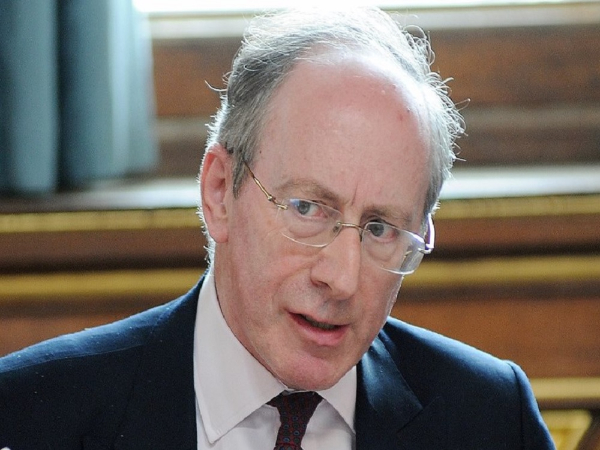
Sir Malcolm Rifkind is a British politician, barrister, and statesman who played a prominent role in the cabinets of Margaret Thatcher and John Major between 1986 and 1997. Known for his sharp intellect and ability to navigate the complexities of government, Rifkind held key positions including Defence Secretary and Foreign Secretary. Most recently, he served as Chair of the Intelligence and Security Committee of Parliament from 2010 to 2015. His career, marked by decades of public service, continues to be referenced in discussions about British foreign policy, intelligence oversight, and political integrity.
Early Life and Education
Sir Malcolm Leslie Rifkind was born on 21 June 1946 in Edinburgh, Scotland. He comes from a Jewish family whose ancestors emigrated from Lithuania, bringing with them a strong cultural and intellectual tradition. Growing up in Edinburgh, Rifkind attended George Watson’s College before pursuing higher studies at the University of Edinburgh, where he earned a law degree. His academic talent led him to a postgraduate degree in political science, which later shaped his approach to governance and international affairs.
After completing his education, Rifkind spent time as an Assistant Lecturer at the University College of Rhodesia (modern-day Zimbabwe) between 1967 and 1969. Returning to Scotland, he was called to the Scottish Bar in 1970, embarking on a career as an Advocate. In 1985, his legal expertise and professional contributions earned him the distinguished title of Queen’s Counsel (QC).
Entry into Politics
Sir Malcolm Rifkind’s political journey began with the Conservative Party, where he quickly rose to prominence. He was first elected as the Member of Parliament (MP) for Edinburgh Pentlands in 1974, a position he would hold until 1997. His reputation as a thoughtful and articulate MP made him a trusted voice within the party.
Throughout the 1980s, Rifkind’s steady rise through the political ranks mirrored the Conservative Party’s dominance under Margaret Thatcher. His balanced views, pro-European stance, and deep understanding of law and governance positioned him as a reliable minister.
Key Cabinet Roles Under Thatcher and Major
Between 1986 and 1997, Rifkind served in a series of high-profile Cabinet positions under both Prime Minister Margaret Thatcher and her successor, John Major. Few politicians can claim the longevity he enjoyed at the highest levels of government.
Secretary of State for Scotland (1986–1990): In this role, Rifkind was responsible for Scottish affairs, including health, education, and economic development. His tenure was marked by efforts to balance Scottish identity with broader UK policies.
Secretary of State for Transport (1990): Although brief, his role in Transport focused on improving infrastructure and navigating growing debates over privatization.
Secretary of State for Defence (1992–1995): One of his most influential positions, Rifkind oversaw defense policy during the early post-Cold War years. He was involved in reshaping the armed forces in response to new global realities.
Foreign Secretary (1995–1997): As Britain’s chief diplomat, Rifkind played a crucial role in foreign affairs, representing the UK in a period of significant international change, including conflicts in the Balkans and the evolving European Union.
Chairing the Intelligence and Security Committee
After returning to Parliament in 2005 as MP for Kensington, Rifkind once again became a central figure in British politics. From 2010 to 2015, he served as the Chair of the Intelligence and Security Committee of Parliament (ISC), overseeing Britain’s intelligence agencies. This role placed him at the heart of national security discussions, particularly during a time of growing concerns about terrorism, cyber threats, and international espionage.
His tenure at the ISC reflected his reputation for careful judgment and experience in handling sensitive matters of national interest.
Sir Malcolm Rifkind Age
As of today, Sir Malcolm Rifkind is 79 years old, having been born in June 1946. His long life in public service makes him one of the elder statesmen of British politics, often sought after for commentary on current affairs, especially regarding defense, intelligence, and foreign policy.
Sir Malcolm Rifkind Family
Rifkind’s personal life has remained relatively private compared to his political career. He is married to Edith Rifkind, and together they have two children. The family has largely stayed out of the spotlight, allowing Rifkind to focus public attention on his political and professional work rather than personal matters. His Lithuanian-Jewish heritage has also been an important part of his identity, influencing his views on internationalism and cultural integration.
Sir Malcolm Rifkind Net Worth
While exact figures are not publicly disclosed, estimates suggest that Sir Malcolm Rifkind’s net worth is in the range of several million pounds, accumulated through his long political career, legal practice as a barrister and Queen’s Counsel, and later advisory and academic roles. Beyond politics, Rifkind has served on boards, contributed to think tanks, and written extensively on international affairs, all of which have contributed to his financial standing.
Sir Malcolm Rifkind Wikipedia
The Wikipedia entry for Sir Malcolm Rifkind provides an overview of his career, highlighting his roles under Margaret Thatcher and John Major, his return to Parliament in 2005, and his work as Chair of the Intelligence and Security Committee. It also documents the controversies he faced, such as the “cash for access” sting in 2015, which led him to step down from his parliamentary role. Despite this setback, his broader legacy remains tied to decades of public service and his influence in shaping British foreign and defense policy.
Achievements and Legacy
Sir Malcolm Rifkind’s career reflects not just longevity but adaptability. Few politicians manage to serve across two decades of government, maintaining relevance in shifting political landscapes. His reputation as a pro-European Conservative set him apart in an increasingly divided party, while his legal background added authority to his policymaking.
His contributions to defense and foreign policy during pivotal years in global politics, alongside his later oversight of intelligence agencies, cemented his reputation as one of Britain’s most experienced and thoughtful statesmen.
Controversies
No political career spanning four decades is without controversy. In 2015, Rifkind was involved in a high-profile sting operation where undercover reporters alleged he offered political access for payment. The incident led to his resignation as Chair of the Intelligence and Security Committee and his decision not to stand for re-election. While the scandal cast a shadow over his later years in politics, it did not erase the respect he commanded for his earlier service.
Later Life and Current Roles
In retirement from frontline politics, Rifkind has continued to contribute to public life. He has served as a Visiting Professor in the Department of War Studies at King’s College London, a Distinguished Fellow at the Royal United Services Institute (RUSI), and has participated in international panels and conferences. His insights on Russia, Europe, and security remain influential in academic and policy circles.
Conclusion
Sir Malcolm Rifkind’s life and career tell the story of a man deeply committed to public service, law, and international affairs. From his early years as a lawyer and lecturer to his decades in Parliament and the Cabinet, he has left a lasting mark on British politics. While controversies affected his later career, his overall contributions to defense, foreign policy, and intelligence oversight remain significant. His story continues to be one of resilience, intellect, and dedication to the United Kingdom.