Lender Processing: A Complete Guide to How Loan Applications Are Handled
Understanding the Step-by-Step Journey from Application to Approval

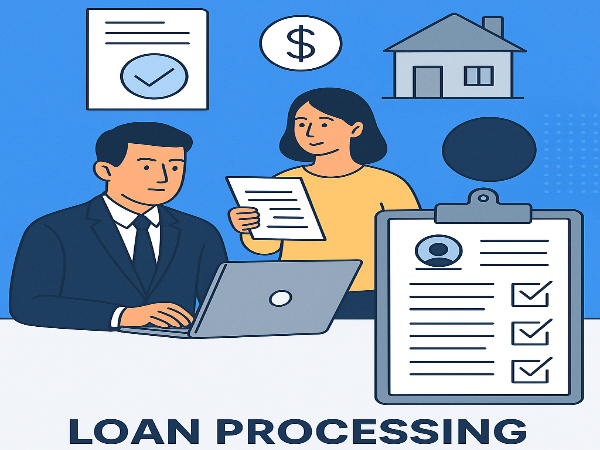
Lender processing refers to the critical stage in the loan approval journey where a borrower’s financial information, supporting documents, and creditworthiness are carefully reviewed, verified, and organized before the loan moves to underwriting. This step ensures that everything in the application is accurate, complete, and compliant with regulations, ultimately helping lenders make informed lending decisions and borrowers move closer to securing their loans.
Introduction to Lender Processing
When people apply for loans—whether mortgages, personal loans, or business financing—they often focus on the approval and the money that comes afterward. However, before any funds are disbursed, there is a crucial step known as lender processing. This stage is the backbone of lending, where loan processors work behind the scenes to make sure applications are complete, verified, and ready for underwriters. Without it, lenders would face higher risks, delays, and compliance challenges.
In this comprehensive guide, we will explore every aspect of lender processing, why it matters, the documents required, the challenges faced, and the modern tools that are transforming the process today.
What is Lender Processing?
Lender processing, sometimes called loan processing, is the middle stage of the loan life cycle. It begins after the borrower submits an application and ends when the file is passed to underwriting. In simple terms, lender processing is about collecting, checking, and organizing everything a lender needs to decide whether to approve or deny a loan.
This stage ensures accuracy, reduces fraud, and helps protect both lenders and borrowers. By confirming employment, income, and property values, loan processors make sure decisions are based on facts, not assumptions.
The Role of Loan Processors
Loan processors are professionals who act as the bridge between loan officers (who work with customers) and underwriters (who assess risk). Their responsibilities include:
Reviewing applications for completeness.
Requesting additional documents from borrowers.
Ordering third-party reports, such as appraisals or credit checks.
Verifying employment and income details.
Ensuring compliance with local and federal lending laws.
Preparing the file for underwriting.
Without loan processors, underwriters would be overwhelmed with incomplete or disorganized files.
Key Steps in Lender Processing
Application Review
The process begins when the loan officer submits the borrower’s application to the processing department. The processor checks for completeness and identifies missing documents.
Document Collection
Borrowers are asked to provide proof of identity, income, employment, and assets. For mortgages, this may include tax returns, pay stubs, bank statements, and purchase contracts.
Verification
The processor verifies all information by contacting employers, banks, and other relevant institutions. They also order an appraisal if real estate is involved.
Compliance Checks
Modern lending requires strict compliance with regulations. The processor ensures the application meets all legal standards.
File Preparation
Once everything is verified, the processor compiles the documents and creates a complete file for underwriting.
Documents Commonly Required
Borrowers should be ready to provide:
Proof of identity (passport, driver’s license).
Social security or tax identification numbers.
Pay stubs and W-2s (for salaried employees).
Tax returns (for self-employed individuals).
Bank statements and investment records.
Credit reports.
Purchase agreements or property titles (for mortgages).
The faster a borrower provides these, the quicker lender processing can move forward.
Why Lender Processing is Important
The importance of lender processing cannot be overstated. It:
Reduces Risk: Ensures only qualified applicants reach underwriting.
Prevents Fraud: Detects false documents or misreported income.
Saves Time: Streamlines the underwriting process by organizing data.
Improves Accuracy: Eliminates errors that could cause delays.
Ensures Compliance: Protects lenders from legal and financial penalties.
Common Challenges in Lender Processing
Like any business process, lender processing has its obstacles:
Missing Documents: Borrowers often forget required papers.
Inconsistent Information: Differences between stated income and bank records.
Third-Party Delays: Appraisers or employers may take time to respond.
Regulatory Complexity: Constantly changing laws require ongoing training.
High Volume: Busy seasons can overwhelm processors, slowing approvals.
Technology’s Role in Modern Lender Processing
Today, technology is revolutionizing how loans are processed. Automation, artificial intelligence, and digital platforms are replacing manual work. For example:
Loan Origination Systems (LOS): Software that manages the entire loan cycle.
Optical Character Recognition (OCR): Scans documents and extracts data automatically.
Electronic Verification Tools: Instantly confirm employment and income.
E-signatures: Allow borrowers to sign documents digitally, saving time.
AI-powered Risk Analysis: Helps detect fraud and assess applications faster.
These innovations reduce errors, cut processing time, and improve customer satisfaction.
Lender Processing in Different Loan Types
While the core steps are the same, different loan categories involve unique details:
Mortgage Loans
Requires appraisals, title checks, and proof of homeowner’s insurance.
Personal Loans
Often involve fewer documents, but credit history and income verification are critical.
Business Loans
Require business tax returns, financial statements, and sometimes business plans.
Auto Loans
Focus heavily on credit scores, income proof, and vehicle details.
Borrower’s Role in Smooth Lender Processing
Borrowers can speed up processing by:
Responding quickly to document requests.
Being honest about income and debt.
Keeping financial activities stable during the loan review period.
Preparing required documents before applying.
Staying in close contact with the loan officer and processor.
The Future of Lender Processing
Looking ahead, lender processing will become more automated and data-driven. With blockchain, AI, and secure digital identities, the process may become faster, more transparent, and less prone to fraud. Borrowers could see approvals in days instead of weeks.
However, human oversight will remain essential, as financial decisions often require judgment and empathy.
Conclusion
Lender processing may seem like a behind-the-scenes step, but it is one of the most vital stages in the lending cycle. By verifying details, organizing documents, and ensuring compliance, it protects lenders from risk and gives borrowers a smoother path to loan approval. Whether you’re applying for a mortgage, personal loan, or business financing, understanding how lender processing works can help you prepare better and avoid unnecessary delays.
As technology advances, this process is becoming faster and more efficient, but the fundamentals remain the same: accuracy, compliance, and thoroughness. By being proactive and cooperative, borrowers can make lender processing quicker and move one step closer to achieving their financial goals.