Sion Rhys Evans: Rise, Controversies, and the Lessons for Leadership in the Church
The turbulent journey of Sion Rhys Evans and what it reveals about governance, accountability, and transparency in modern religious institutions

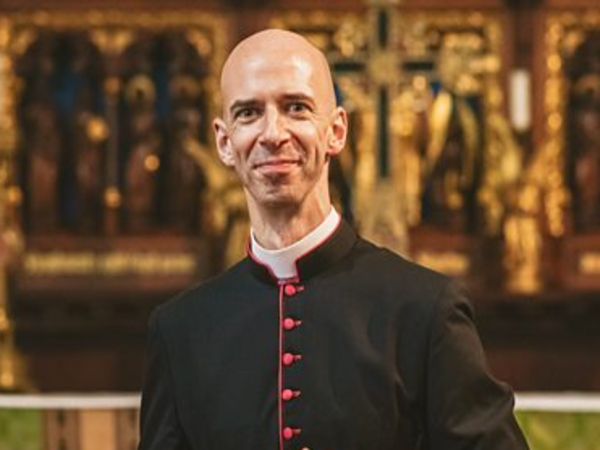
Sion Rhys Evans is a figure whose name has rapidly become prominent within the Church in Wales and beyond. Rising quickly from diocesan administrator to Sub-Dean of Bangor Cathedral, his career trajectory was marked by ambition, influence, and trust from senior leadership. However, his story also became entangled with controversies over governance, spending, safeguarding, and accountability—ultimately leading to his departure and sparking widespread conversations about how religious institutions manage leadership and responsibility in the modern era.
Introduction
The story of Sion Rhys Evans is one that blends rapid advancement, high expectations, and deep controversy. Within only a few years of ordination, Evans transitioned into some of the most senior administrative and ecclesiastical roles within the Church in Wales. His dual responsibilities as both Diocesan Secretary and Sub-Dean of Bangor Cathedral gave him a unique position of power and influence.
Yet with that power came significant challenges and criticisms. Questions of financial oversight, blurred boundaries in governance, and safeguarding concerns began to overshadow his achievements. By the time Evans stepped away from his posts, the episode had already drawn public and media scrutiny and forced wider reflection on how churches handle authority, accountability, and organizational health.
This article examines the rise and fall of Sion Rhys Evans in detail, exploring the key events, the controversies, and the broader lessons that can be drawn for leadership within religious institutions.
Early Career and Rise Within the Church
From Administration to the Cathedral
Sion Rhys Evans began his journey within the Church in Wales as a diocesan administrator. This role placed him at the heart of the Church’s organizational operations, dealing with finances, governance structures, and the day-to-day management of diocesan affairs. His effectiveness in administration and close alignment with senior figures enabled him to climb the ladder rapidly.
Within a remarkably short period, Evans was not only entrusted with administrative responsibility but also given a central role in Bangor Cathedral as Sub-Dean. He became both an ecclesiastical leader in worship and pastoral matters, and an administrator responsible for financial and organizational oversight.
The Dual Role Controversy
While Evans’s swift promotion reflected confidence in his abilities, it also raised eyebrows. Critics noted that serving simultaneously as Diocesan Secretary and Sub-Dean created a conflict of interest. The diocese and the cathedral are technically separate charitable entities, each requiring its own accountability structures. By holding both posts, Evans blurred the boundaries between oversight and execution, weakening internal checks and balances.
Governance and Oversight Issues
Weak Financial Controls
One of the most significant criticisms that emerged during Evans’s tenure was the lack of robust financial governance. Large sums were spent on cathedral furnishings, renovations, and projects without what many felt was sufficient consultation or clear financial planning. Critics argued that decision-making was centralized in the hands of a few individuals, leading to a lack of transparency.
Trips and Spending
Questions were also raised about the use of funds for overseas trips, such as choir visits and staff travel to Rome and Dublin. Reports suggested that some of these costs were charged to diocesan budgets even though the primary beneficiaries were cathedral staff. This blurred distinction between diocesan and cathedral spending became a focal point of criticism.
Governance Culture
Beyond finances, Evans’s leadership coincided with a period when the cathedral and diocese were described as suffering from blurred lines of accountability. Staff roles and responsibilities were not always clear, leaving decisions concentrated among a small leadership group rather than through transparent governance processes.
Safeguarding and Cultural Concerns
Workplace Environment
Another significant issue linked with Evans’s tenure was the internal culture of the cathedral. Reviews and reports highlighted safeguarding concerns, including inappropriate behaviors, blurred personal boundaries, excessive drinking, and hurtful gossip within the community. The workplace environment was described as unhealthy, leading some staff and volunteers to feel unsafe or unsupported.
Handling of Complaints
Perhaps more troubling than the culture itself was the perception that complaints and concerns were not being handled adequately. Individuals who raised safeguarding or workplace issues often felt unheard, with little protection offered to whistleblowers. This weakened trust in the institution’s ability to provide a safe and transparent environment for both staff and worshippers.
Departure and Aftermath
Gardening Leave and Resignation
By early 2024, Sion Rhys Evans had been placed on “gardening leave,” effectively stepping away from his active duties while remaining formally in post. For nearly a year, questions lingered about the reasons for his absence, with speculation mounting in ecclesiastical and public circles.
By late 2024, his departure was formalized. His dual roles—both Diocesan Secretary and Sub-Dean—were declared vacant, and he was no longer actively involved in the leadership of Bangor Cathedral or the diocese.
New Appointment and Further Exit
After leaving the Church in Wales, Evans was appointed as Bursar and General Manager at Westminster College, Cambridge. This position gave him responsibility for financial and administrative management at one of the UK’s prominent theological colleges. However, his time there proved short-lived, as his probation was reportedly not completed successfully, and he left the role within months.
Institutional Fallout
Archbishop’s Responsibility
The controversies surrounding Sion Rhys Evans inevitably reflected back on those who had supported and promoted him. The Archbishop of Wales, who was also the Bishop of Bangor at the time, faced significant criticism for failing to ensure proper oversight. While he himself was not accused of misconduct, his leadership was seen as too closely tied to Evans’s rise and decisions.
Amid mounting pressure, the Archbishop announced his retirement in 2025, underscoring the seriousness of the institutional fallout from the Evans episode.
Structural Reforms
The Church in Wales has since undertaken significant reforms. These include the appointment of new oversight bodies, stricter governance rules, and cultural audits designed to rebuild trust. A new Dean of Bangor Cathedral has been appointed, symbolizing a fresh start and an effort to restore confidence in leadership.
Broader Lessons from the Case of Sion Rhys Evans
Leadership and Accountability
The rise and fall of Evans highlights the risks of concentrating too much authority in a single individual without adequate checks and balances. While his talent and ambition were evident, the lack of separation between governance roles and executive responsibilities created vulnerabilities that ultimately damaged the institution.
Transparency in Spending
Religious institutions, like any other organization, must handle finances with utmost transparency. The controversies surrounding cathedral spending illustrate how easily trust can be eroded when decisions appear opaque or poorly justified.
Safeguarding and Workplace Culture
The safeguarding concerns associated with Evans’s tenure show that financial oversight is not the only measure of good governance. A healthy culture, clear behavioral standards, and robust complaint mechanisms are just as essential for the wellbeing of staff and congregants.
Institutional Resilience
While Evans’s story is one of controversy, it also demonstrates the capacity of institutions to learn, reform, and rebuild. The Church in Wales has faced difficult questions, but the implementation of new oversight structures and leadership appointments suggests a determination to prevent similar crises in the future.
Conclusion
The story of Sion Rhys Evans is a striking example of how rapid rise, ambition, and leadership potential can become overshadowed by controversy when governance structures are weak and accountability mechanisms fail. His journey from administrator to Sub-Dean, and eventually out of the Church, serves as both a cautionary tale and a catalyst for reform.
For religious institutions, the lesson is clear: leadership must be balanced by transparency, accountability, and a culture of safeguarding. Without these, even the most promising leaders risk becoming the center of controversy rather than a source of inspiration.
As the Church in Wales and Bangor Cathedral move forward, the episode of Sion Rhys Evans will remain an important reminder of the challenges facing faith communities in the modern era—and of the vital importance of integrity and trust in leadership.