
You find the perfect roofing material. Low carbon. Environmentally responsible. Durable in theory. You show your surveyor the specifications. They look uncomfortable. They ask where you’re planning to install it.
Suddenly you realize: this material works brilliantly in California or the Mediterranean. In the UK, it fails within five to ten years.
This is the dirty secret of green building. Some of the lowest-carbon roofing options available are genuinely terrible in British weather. Not because they’re poorly designed. Because they weren’t designed for conditions like ours.
Installing the wrong low-carbon roof isn’t environmentally responsible. It’s an environmental disaster dressed up with good intentions.
The Problem With Sedum Roofs in Permanent Rain
Sedum roofs—living roofs covered with shallow-rooted plants—tick every environmental box on paper.
They’re beautiful. They absorb rainwater. They provide insulation. They last 40 to 50 years if conditions are right. They sequester carbon in the living plants. The embodied carbon is low because you’re mostly using existing materials with a layer of lightweight substrate and vegetation.
But here’s what happens in the UK: it rains constantly. Your sedum roof, which evolved in dry climates like the Mediterranean and Central Asia, sits in permanent moisture. The plants don’t dry out between rains. Root rot develops. The substrate gets waterlogged. Moss and algae take over the sedum, smothering it.
Within three to five years, your living roof becomes a dead roof—a soggy, slippery, moss-covered hazard that needs stripping and replacing anyway.
The carbon cost? You’ve installed a 40 to 50-year solution that lasted five years. The embodied carbon gets spread across one-tenth the intended lifespan. You’re essentially committing to replacing that roof multiple times within a century.
Where sedum roofs genuinely work:
- London’s South Bank, where the precise microclimate is controlled
- Sheltered buildings in Kent and Sussex during dry summers
- Buildings where the roof is at a steep enough angle to promote drainage
- Anywhere with intensive, ongoing maintenance (which adds labour carbon)
For most UK homes, especially in the North, West, or anywhere genuinely exposed to Atlantic weather, sedum roofs are environmental theatre. They look like responsible choices. They perform terribly.
Cork Roofing: A Material That Can’t Handle Damp
Cork seems ideal. It’s a renewable material—harvested from cork oak bark, which regenerates. Low embodied carbon. Good insulation properties. Natural. Breathable.
It’s also vulnerable to moisture in ways that timber and conventional materials aren’t.
Cork absorbs water easily. In a dry climate, this is fine—the cork dries out, no problem. In the UK, the roof stays damp. The cork swells. It becomes spongy. Fungi colonize it. The structural integrity degrades. After 10 to 15 years, the cork has become a soft, deteriorating mess that needs complete replacement.
Point Roofing, a contractor in Norwich installed cork roofing on a converted barn in 2010. Within eight years, the cork had absorbed so much moisture that the substrate was failing. The whole roof needed stripping and rebuilding. The original investment in low-carbon cork had vanished. They’d replaced it with conventional tiles and were significantly out of pocket.
This isn’t a failure of craftsmanship. It’s a failure of material suitability to climate.
Cork works in Portugal, Spain, parts of France. It doesn’t work reliably in the UK.
Wood Shingles: Beautiful but Doomed in Damp
Wooden shingles are gorgeous. They age beautifully. They have low embodied carbon if sourced responsibly. They’re traditional—they’ve been used on British buildings for centuries.
But modern wooden shingles, treated with contemporary coatings, behave differently than their predecessors. And our climate is wetter than it used to be.
A wooden shingle roof, if perfectly maintained, can last 40 to 60 years. But “perfectly maintained” means:
- Quarterly inspections for moss and lichen
- Annual treatment with fungicide
- Regular cleaning to remove algae
- Replacement of compromised shingles within weeks of damage appearing
- Constant vigilance in damp weather
Without this intensive maintenance, wooden shingles develop moss, algae, and lichen within three years. The shingles trap moisture underneath. Rot develops from the inside. The wood splits. Within 15 to 20 years, the roof is failing.
And here’s the honest bit: most homeowners don’t perform quarterly inspections. They install wooden shingles, admire them for a few years, then watch them deteriorate into something unsafe and ugly.
The maintenance carbon—regular professional cleaning and treatment visits—often exceeds the carbon saved by using a low-carbon material in the first place.
Some specialist roofers in the Cotswolds successfully maintain wooden shingle roofs. They have clients committed to the maintenance burden. Those roofs work. Everywhere else, they’re usually a mistake.
Hemp-Based Insulation: The Moisture Trap
Hemp insulation is low-carbon. It’s renewable. It breathes. It seems perfect for creating a healthy building interior.
It’s also catastrophically vulnerable to water ingress in roofs. Unlike foam insulation, which sheds water, hemp absorbs it. Once wet, hemp dries slowly in the UK climate. It stays damp for weeks. Mold grows inside it. The insulation’s effectiveness drops dramatically as it absorbs moisture. The structural timbers around it get damp. Rot develops in the timber frame.
A sustainable building project in Yorkshire used hemp insulation in the roof. Within two years, moisture had wicked up from a slight condensation problem, the hemp had absorbed it, and the timber frame was showing signs of decay. The entire roof insulation needed replacing with closed-cell foam (higher carbon), and remedial damp treatment was required.
The low-carbon choice had led to higher-carbon remediation and material replacement.
Hemp makes sense in walls, where you can manage moisture more carefully. In roofs, where water is the enemy and condensation is inevitable, it’s a poor choice in the UK climate.
Recycled Plastic Roofing: Look Good, Age Badly
Some companies produce roofing materials from recycled plastic. The environmental story is compelling: diverting waste from landfill, creating durable products.
The problem: recycled plastic roofing degrades rapidly in UK weather. UV exposure fades and embrittles the material. Thermal expansion and contraction in our temperature swings causes cracking. After 10 to 15 years, the plastic becomes brittle and unreliable.
This isn’t theoretical. A property in Manchester installed recycled plastic tiles in 2012. By 2023, cracks had appeared in roughly 20% of them. Replacement sections were needed. The material hadn’t performed as promised.
But the material was marketed as 50-year roofing. The embodied carbon figures assumed a 50-year lifespan. The actual lifespan was 11 years. That’s embodied carbon being divided across roughly one-quarter of the intended life cycle.
Some recycled plastic roofing works in consistently warm climates. In the UK’s freeze-thaw cycles and UV intensity, it’s unreliable.
The Fundamental Climate Problem
Here’s what unites all these failures: they’re designed for climates that are either drier, warmer, or more stable than the UK’s.
The UK climate is wet. We get:
- Average annual rainfall: 1,154mm nationally (significantly more in the West and North)
- Frequent freeze-thaw cycles, especially in winter
- High humidity throughout the year
- Temperature swings that stress materials
- Intense UV in summer despite cloud cover
- Salt spray in coastal regions that corrodes many materials
Most low-carbon roofing innovations come from California, the Mediterranean, or other dry regions. They’re engineered for 300 days of sunshine annually. For climates where moisture is occasional, not constant.
When you transplant them to the UK, you’re asking materials to perform in conditions they were never designed for.
What Actually Works: The Boring Answer
The lowest-carbon roofing options that genuinely work in UK weather are, frustratingly, quite traditional:
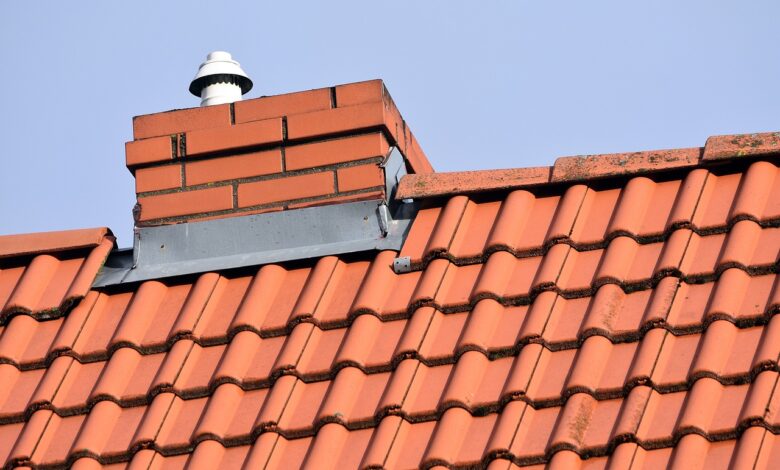
Clay tiles: Fired 1,000+ years ago with the same basic process. Proven to last 100+ years in UK weather. Embodied carbon isn’t zero, but spread across a century-plus lifespan, it’s reasonable. Algae and moss grow on them, but the tiles themselves don’t degrade.
Slate: Even lower maintenance than clay. Lasts 150+ years. The embodied carbon is substantial (slate’s heavy), but the lifespan is so long the annual carbon cost is minimal.
Timber frames with breathable membranes: If you must use wood, use it as a structure with modern breathable underlayment, not as the exposed surface. The frame lasts 60+ years. The membrane protects it from moisture. It works.
Concrete tiles: Higher embodied carbon than clay, but proven durability in UK weather. They don’t fail prematurely. You get the lifespan you paid for.
These aren’t sexy. They don’t appear in sustainable architecture magazines. But they work. They last. The environmental cost per year, spread across genuine lifespan, is lower than “innovative” materials that fail after a decade.
The Installation Context
Even suitable low-carbon materials fail if installed in the wrong building context.
A living roof works if:
- The building has sufficient structure to support the weight
- Drainage is designed expertly
- Access for maintenance is realistic
- The roof pitch promotes water movement
- Maintenance is genuinely committed to
Install a living roof on an exposed, north-facing roof with poor drainage access on a property where the owner won’t maintain it, and you’ve guaranteed failure.
Low-carbon roofing choices require absolute honesty about local conditions, building orientation, maintenance commitment, and climate realities.
The Question You Need to Ask
When a roofing contractor such as Roofers Norwich suggests a low-carbon roofing material, ask this: “Can you show me examples of this material performing successfully in UK weather, specifically in our region, for at least 20 years?”
Not theoretical examples. Real installations. Real longevity data. Real maintenance records.
If they can’t show you that, they’re asking you to be a test case. Your building becomes the experiment. If it fails, you’re paying the cost—financially and environmentally.
The Honest Choice
The most environmentally responsible roofing choice isn’t always the one with the lowest initial embodied carbon. It’s the one that:
- Works in your specific climate and weather conditions
- Lasts as long as designed
- Doesn’t require premature replacement
- Minimizes maintenance carbon and labour
- Has proven track record in your region
Sometimes that’s clay tiles. Sometimes it’s slate. Sometimes it’s traditional timber with modern underlayment.
Occasionally it’s innovative low-carbon materials. But only if they’ve been tested in conditions like yours and proven to work.
Installing a low-carbon roof that fails in five years isn’t an environmental responsibility. It’s an environmental disaster. You’ve wasted embodied carbon. You’ve created waste. You’re replacing it again, reproducing carbon costs.
Before you commit to anything marketed as “sustainable” or “low-carbon,” ask whether it’ll actually survive on your roof, in your location, through UK winters. The answer to that question matters far more than carbon labels.
