Solutions
-
Blog
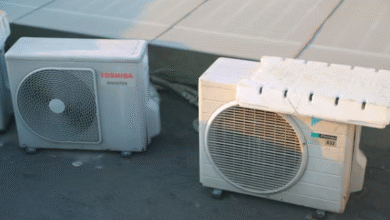
Examining Contemporary Server Cooling Solutions: Approaches for High-Performance IT Infrastructure In today’s world where businesses rely heavily on data, effective server cooling is essential for optimizing an IT infrastructure. As businesses expand their digital footprints, the need for effective cooling strategies becomes more pronounced. Poor thermal management may lead to equipment overheating, operational downgrades, and increased energy expenditure, all of which are detrimental to productivity. Optimization of server functionality often involves electrical cabinet ventilation, which allows for the effective removal of heat produced by the servers and electronic gadgets. This article examining modern server cooling solutions discusses measures B2B businesses can take to safeguard their IT systems and improve productivity. The Significance of Server Cooling Devices such as servers and data center equipment produce a significant amount of heat energy in the course of their operation. This heat can build up and lead to overheating of the hardware components if no cooling measures are put in place. The equipment’s functionality and heat management system faces a real risk of poorly controlling temperature. Not only is efficiency impaired, but also hardware failure, system failure, and data corruption becomes a risk. For B2B businesses that depend on seamless digital systems, the investment of a reliable server cooling system is crucial for managing uptime. The use of modern cooling solutions is addressing the problem by improving airflow and thermal management and energy efficiency. One especially important part of server cooling is electrical cabinet ventilation. Efficient ventilation eliminates the possibility of hotspots forming within the cabinets, maintains even cooling across the different devices, and enables the safe use of high-density server racks. Focusing on ventilation within the cabinets allows for the optimal use of cooling devices and fewer additional structures for cooling. Elements That Make Up Modern Cooling Systems for Servers As is the case with any modern equipment, server cooling systems comprise a number of distinct, yet interrelated elements that contribute towards the effectiveness of heat management. Airflow Management Systems: Accurate and proper ventilation within the server rooms prevents the circulation of hot air around the server racks. It also ensures that the fans that bring in fresh air through the intake and exhaust ports supply it to the required locations. Rack-Mounted Cooling Units: This is an add-on cooling system designed to be implemented directly into the server racks, thus, providing enhanced cooling in the localized areas to reduce the need for more extensive changes to the data center. Heat Exchangers: Cooling data centers through the use of liquid and air to liquid heat exchangers allows for the effective removal of heat from critical components. Environmental Sensors: These sensors provide the data center with features such as monitoring temperature, humidity, and even airflow. Thus, enabling the modification of cooling settings in real time. Electrical cabinet ventilation: The use of ventilation panels, fans, and perforated doors prevents the heat from accumulating within server enclosures. With the combination of these elements, IT managers are now able to address the problem of both ambient and localized heat generation using a multi-layered approach. Approaches to Improving the Ventilation of Electrical Cabinets Improving the ventilation of electrical cabinets is important because it directly impacts the effectiveness of the server’s cooling systems. The following approaches can be taken: Hot Aisle/Cold Aisle Containment: Server racks are positioned in alternating hot and cold aisles to ensure that cold air flows to the front of the servers while hot air is expelled from the sensitive components. Perforated Doors and Panels: The use of ventilated doors and side panels improves the flow of air, and in turn, prevents the heat from accumulating around critical components inside the cabinet. Cabinet Fans and Blowers: The installation of fans and blowers inside the cabinets improves air movement and helps maintain uniform temperatures across all devices. Regular Maintenance: Dust and debris can clog a ventilation system and decrease the system’s ability to ventilate and the quality of ventilation. Regular cleaning helps maintain optimal performance. Temperature Monitoring: The sensors continuously monitor the temperature inside the cabinets and thus, the IT personnel can adjust the cooling methods ahead of time. Following these approaches can significantly help businesses reduce the risk of overheating while increasing the energy efficiency of the system. Benefits of Sophisticated Advanced Cooling Server Systeme Using modern cooling solutions for servers offers multiple opportunities for advancement for businesses. Lowers Cooling Costs: Well-designed thermal management strategies for servers allows for the reduction of cooling costs associated with the system. Cost Maintained: Modern systems are designed with functionality that allows them to be used with reduced cooling costs associated with the IT databases as a modernization of the IT infrastructure. Minimized Equipment Breakage: Advanced cooling modular systems help in the reduction of equipment thermal breakage by ensuring the mandated temperatures. Performance Enhancement: Thorough thermal management of sophisticated servers attributes to enhancement of overall performance of the servers. Flexible Modifications: The system is easy to modify. New features can be added without problems. Incorporating electric box cooling helps meet strict business operational requirements governed by the flow of data. New Approaches To Cooling Advanced Servers The distinct heating of modern IT infrastructures drives the evolution of the field of server cooling. New approaches include: Cooling through water: Cooling water through various heating systems helps circulate heating and also maintain a certain flow of water through cooling systems. Immersion Cooling: In high density racks, the servers are placed in thermally conductive, dielectric liquids which offer heat dissipation in the form of immersion cooling. AI-Driven Cooling Management: Machine learning powered algorithms anticipate airflow, hot spots, and dynamically adjust cooling based on real-time data. Energy Recovery Systems: Captured heat can be used to heat offices, allowing for improved energy optimization and efficiency. Modular Cooling Units: These scalable and modular units offer advanced targeted cooling to cater to demanding applications and can be tailored to specific rack configurations and workloads. Businesses looking to advance their IT and achieve a high performance infrastructure can use these technologies. These innovations prove that server cooling is no longer one size fits all. Server Cooling System for High-Performance IT Infrastructure: Best Practices To maintain high performance IT infrastructure, a server cooling system requires specific practices to maintain efficiency. These are ideal for B2B. Timely Maintenance: Regularly scheduled inspection for the fans, ventilation panels, and cooling units, mitigates the risk of significant performance impacts. Data-Driven Adjustments: Make use of environmental sensors to make data-driven choices on cooling distribution, and set points for temperature, airflow, and distribution. Backup Systems: Implement backup cooling solutions to maintain system integrity during unscheduled maintenance or cooling failure. Staff Training: Ensure that IT staff members have been trained on the latest cooling technologies and the best practices related to the electrical cabinet cooling. Integration with Facility Management: Ensure that IT staff members have been trained on the latest cooling technologies and the best practices relating to the electrical cabinet cooling. Adhering to these guidelines helps streamline operational workflows while increasing the return on investment in IT resources. The investment in advanced modern server cooling systems allows businesses to harness the full potential of IT infrastructure. Neglecting proper electrical cabinet ventilation and thermal management for modern data centers is simply not an option. Employing the latest cooling technologies and ventilation systems along with routine maintenance allows B2B enterprises to proactively maintain server performance, prolong the hardware lifespan, and reduce energy consumption. An appropriately designed server cooling system fortifies vital IT assets while providing the agility and redundancy required in today’s fast-paced business landscape.
In today’s world where businesses rely heavily on data, effective server cooling is essential for optimizing an IT infrastructure. As…
Read More »