Norman Lamont: A Comprehensive Look at the Former Chancellor of the Exchequer
From Shetland Islands to Westminster Power – The Life, Career, and Legacy of Norman Lamont

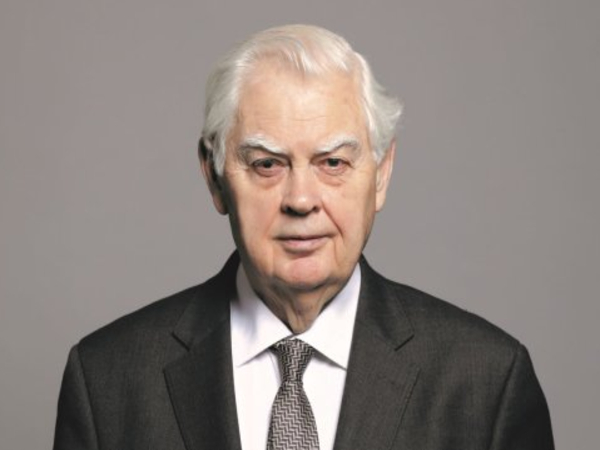
Norman Lamont, formally known as Norman Stewart Hughson Lamont, Baron Lamont of Lerwick, is a British politician and life peer best known for serving as Chancellor of the Exchequer from 1990 to 1993 under Prime Minister John Major. Born on 8 May 1942 in Lerwick, Shetland Islands, Lamont rose through the Conservative Party ranks to play a pivotal role in shaping Britain’s economic direction during a turbulent period marked by Black Wednesday and debates over Europe. His career has spanned politics, business, and public commentary, making him a significant figure in modern British history.
Early Life and Education
Norman Lamont was born on 8 May 1942, in Lerwick, Shetland Islands, Scotland. His upbringing in the far north of Britain shaped his identity, even though his family later moved south to Lincolnshire when his father took up a new medical post. Lamont’s father, Daniel Lamont OBE, was the island’s surgeon, and his family background provided him with a strong foundation in discipline and service.
Lamont attended Loretto School, one of Scotland’s most prestigious independent schools, where he excelled academically. He went on to study at Fitzwilliam College, Cambridge, graduating with a degree in economics. At Cambridge, he quickly became active in student politics, serving as Chairman of the Cambridge University Conservative Association and later as President of the Cambridge Union Society in 1964. These early experiences gave him the debating skills and political confidence that would carry him into national politics.
Norman Lamont Age
As of 2025, Norman Lamont is 83 years old. Born in 1942, his political career spans more than five decades, and his age reflects not just longevity but a deep well of experience in both political and economic affairs. Even though he retired from frontline politics many years ago, his contributions to debates on economics and Europe remain relevant today.
Entry into Politics
Lamont’s first attempt at entering Parliament came in the 1970 general election, when he stood unsuccessfully against Labour’s John Prescott in Kingston upon Hull East. However, in May 1972 he was elected as Member of Parliament for Kingston-upon-Thames in a by-election. This marked the start of a long parliamentary career, which lasted until 1997.
Throughout his early years as an MP, Lamont gained a reputation as a skilled debater and a loyal Conservative. His steady rise through the ranks earned him ministerial posts in Energy, Industry, and Defence Procurement. By the mid-1980s, his competence in handling economic matters brought him closer to the Treasury.
Rise to the Treasury
In 1986, Lamont was appointed Financial Secretary to the Treasury under Prime Minister Margaret Thatcher. He was promoted to Chief Secretary to the Treasury in 1989, placing him firmly at the center of economic policymaking.
When John Major replaced Thatcher in November 1990, Lamont was appointed Chancellor of the Exchequer. This role made him responsible for overseeing Britain’s economic policy, taxation, and financial stability during one of the most challenging periods in modern economic history.
Chancellor of the Exchequer (1990–1993)
Lamont’s tenure as Chancellor was defined by the European Exchange Rate Mechanism (ERM) crisis, commonly remembered as Black Wednesday. On 16 September 1992, Britain was forced to withdraw from the ERM after failing to keep the pound within its agreed limits against other European currencies.
Speculative attacks on the pound forced the government to spend billions in foreign currency reserves, yet interest rate hikes and interventions could not prevent the inevitable collapse. Lamont announced Britain’s withdrawal from the ERM, a decision that was initially viewed as disastrous but later credited with giving the UK greater economic flexibility.
During his time at the Treasury, Lamont also emphasized controlling inflation and maintaining fiscal discipline. He became well-known for a controversial statement in 1991 when he remarked that rising unemployment was “a price worth paying” to bring inflation down. This phrase was widely criticized but reflected his belief in tough economic medicine.
Norman Lamont and Black Wednesday
Black Wednesday remains the single most defining moment of Lamont’s career. Critics argue that he should have foreseen the unsustainability of Britain’s position within the ERM, while supporters note that he inherited the policy from his predecessors. Over time, many economists came to view the exit as a blessing in disguise, since it freed the UK to adopt more flexible monetary policies that supported future growth.
Lamont’s handling of the crisis is still debated in political and economic circles. While his political career suffered, his reputation as a sharp and resilient thinker endured.
Norman Lamont Family
Norman Lamont has largely kept his family life private, preferring to focus public attention on his political and professional career. He is married to Rosemary Lamont, and together they have one daughter. Unlike many public figures, Lamont has avoided media exposure of his family, emphasizing his role as a politician and economist rather than a celebrity. This privacy has allowed his family to remain out of the spotlight, even during politically turbulent years.
Life Peerage and Later Career
After losing his seat in the 1997 general election, Lamont was elevated to the House of Lords in 1998 as Baron Lamont of Lerwick. This life peerage recognized his years of service and ensured his continued influence in British politics.
In the Lords, Lamont has been an active voice on economic matters and foreign policy. He has remained a consistent critic of deeper European integration and was one of the earliest mainstream Conservative figures to suggest that Britain might one day have to leave the European Union.
Norman Lamont and Euroscepticism
Lamont’s views on Europe shifted decisively after his experience as Chancellor. He became a Eurosceptic, opposing Britain’s entry into the euro and voicing concerns about the loss of national sovereignty within the EU.
He supported the Leave Means Leave campaign, a Eurosceptic organization that advocated for a clean break from the European Union. His stance aligned with his long-standing belief that Britain’s prosperity was best secured outside the constraints of European monetary and political frameworks.
Lamont was also associated with the Bruges Group, a think tank promoting debate about Britain’s role in Europe. His Euroscepticism helped lay the intellectual foundations for the eventual Brexit referendum of 2016.
Business and Public Life
Beyond politics, Lamont has held positions in banking, asset management, and international consultancy. His experience at N M Rothschild & Sons before his political career gave him a foundation in finance that he drew upon both during and after his time in government.
He has written articles, delivered speeches, and appeared frequently in the media as a commentator on economic and political issues. His insight, drawn from decades at the heart of British policymaking, has made him a respected, if sometimes controversial, public figure.
Norman Lamont Net Worth
While exact figures are not publicly available, Norman Lamont’s net worth is estimated to be in the millions, largely due to his long career in politics, business, and consultancy. As a former Chancellor and life peer, he continues to hold influence and earns income from advisory roles, speaking engagements, and financial industry connections. Unlike some politicians who capitalize heavily on memoirs and high-profile media work, Lamont has built his wealth steadily through a combination of public service and private sector involvement.
Norman Lamont Wikipedia Overview
The Wikipedia entry on Norman Lamont provides a concise summary of his life: his early years in Shetland, education at Cambridge, long parliamentary career, role as Chancellor of the Exchequer, and later elevation to the House of Lords. It highlights his defining moment during Black Wednesday, his Eurosceptic positions, and his involvement in campaigns such as Leave Means Leave.
While Wikipedia offers a snapshot, a deeper look reveals a man of resilience, intellect, and lasting influence, whose career intersected with some of the most turbulent economic events in modern Britain.
Legacy and Influence
Norman Lamont’s political career is often remembered through the lens of Black Wednesday, yet his impact goes far beyond that single event. He was a central figure in shaping the debate over Europe within the Conservative Party, and his economic policies influenced both critics and supporters.
His prediction that Britain might one day have to leave the EU proved prophetic, and his long-standing opposition to the euro was later vindicated when many countries inside the eurozone faced severe financial crises.
Even in his later years, Lamont continues to contribute to public life through speeches, writings, and participation in the House of Lords. His legacy is one of controversy, resilience, and lasting influence on Britain’s political and economic direction.
Conclusion
Norman Lamont remains one of the most intriguing figures in British politics. From his early life in Shetland to his role as Chancellor of the Exchequer during one of the most dramatic economic crises in modern history, his story is one of resilience and foresight. At the age of 83, he continues to play a role in shaping political debate, particularly around Europe and economic policy.
Whether viewed as the Chancellor who presided over Black Wednesday or as a visionary Eurosceptic ahead of his time, Lamont’s contributions to British history are undeniable. His legacy lives on through his speeches, his policy decisions, and his enduring presence in the political landscape.