Milad Mehdizadeh: The Interdisciplinary Visionary Shaping the Future of Transport and Mobility
How Milad Mehdizadeh Combines Engineering and Psychology to Revolutionize Sustainable Transport

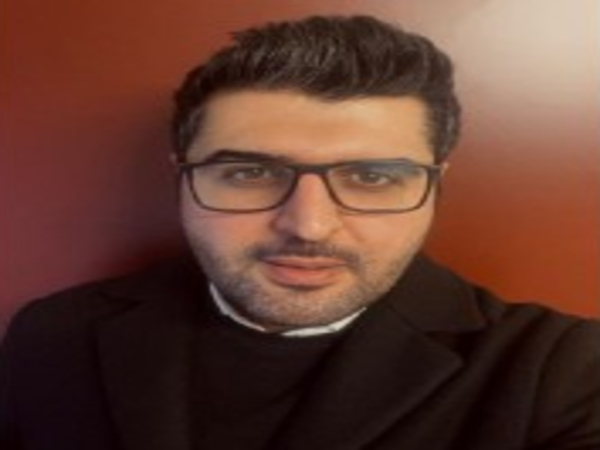
Milad Mehdizadeh is a renowned researcher and academic whose work bridges the fields of civil engineering and environmental psychology. With dual PhDs in Civil Engineering (transport studies) and Environmental Psychology, he focuses on human-centered mobility, sustainable transport policies, and innovative solutions for zero-carbon transportation. His research examines travel behavior, environmental impact, public acceptance of transport policies, and the integration of emerging mobility technologies, positioning him as a thought leader in sustainable urban mobility.
Introduction
In the rapidly evolving field of transport studies, one name stands out: Milad Mehdizadeh. Known for combining technical expertise with a deep understanding of human behavior, Mehdizadeh is redefining how we approach urban mobility, sustainable transport, and transport policy. His unique interdisciplinary approach—merging civil engineering and environmental psychology—allows him to address transport challenges not only from a technical perspective but also from a social, psychological, and environmental viewpoint.
In this article, we explore the life, career, research contributions, and lesser-known aspects of Milad Mehdizadeh’s personal life, including his age, family, net worth, and available biographical information. This comprehensive overview is designed to inform readers, researchers, and enthusiasts about the impact and influence of his work.
Who is Milad Mehdizadeh?
Milad Mehdizadeh is a research fellow at the Institute for Transport Studies at the University of Leeds. He holds the rare distinction of having two PhDs: one in Civil Engineering focusing on transport studies and another in Environmental Psychology focusing on the psychological and social aspects of mobility. This combination allows him to bridge the gap between infrastructure and human behavior, making his work particularly relevant in an era where sustainability and human-centered design are key to urban planning.
Academic Background
-
Civil Engineering (Transport Studies): His first PhD focused on the technical, infrastructural, and planning aspects of transport systems. This work laid the foundation for understanding how transport networks function, how congestion can be managed, and how infrastructure impacts urban mobility.
-
Environmental Psychology (Transport Psychology): His second PhD brought the social science perspective, exploring how perceptions, attitudes, social norms, and environmental concerns influence travel behavior. This combination allows for a holistic understanding of transport systems, integrating both human and technical perspectives.
Mehdizadeh’s academic career includes work at the Norwegian University of Science and Technology (NTNU) and visiting scholar positions at the Mineta Transportation Institute in the United States, where he contributed to global research on sustainable mobility and transport behavior.
Research Focus and Contributions
Milad Mehdizadeh’s research is interdisciplinary, spanning engineering, psychology, and policy studies. His work focuses on understanding how humans interact with transport systems and how policies and infrastructure can be designed to improve sustainability, safety, and accessibility.
Travel Behavior and Human Mobility
One of Mehdizadeh’s key research areas is travel behavior. He investigates why people choose certain modes of transport, how they adapt to new technologies, and how their perceptions of accessibility and convenience influence travel decisions. His work has revealed that travel behavior is not only shaped by infrastructure but also by personal attitudes, social norms, and environmental awareness.
Environmental Psychology in Transport
By applying principles of environmental psychology, Mehdizadeh examines how individuals perceive transportation systems and how these perceptions influence their choices. His research demonstrates that factors such as convenience, safety, environmental concern, and social influence play significant roles in shaping travel behavior. This approach helps policymakers and planners design more effective interventions that are likely to be adopted by the public.
Sustainable Mobility and Zero-Carbon Transport
Sustainability is a central theme in Mehdizadeh’s research. He studies the adoption of electric vehicles, shared mobility services, micromobility options like bicycles and e-scooters, and zero-emission transportation technologies. By analyzing both behavioral and technical factors, he identifies strategies to encourage the adoption of sustainable transport solutions while minimizing resistance from the public.
Transport Policy and Public Acceptance
Another critical aspect of his work is examining how people respond to transport policies. Mehdizadeh’s research shows that acceptance of policies such as reducing car usage, promoting public transport, or implementing congestion charges varies widely based on social, economic, and psychological factors. Understanding these dynamics is crucial for designing policies that are both effective and publicly acceptable.
Transport, Health, and Environmental Impacts
Mehdizadeh also studies the broader implications of transport on public health and the environment. By exploring how mobility choices impact physical activity, pollution, energy consumption, and urban quality of life, he contributes to the development of policies that promote healthier and more sustainable cities.
Key Publications and Research Projects
Milad Mehdizadeh has contributed extensively to the academic literature in transport studies and environmental psychology. Some of his notable research projects include:
-
Travel Behavior and Accessibility Studies: Exploring how perceptions of accessibility influence travel choices, revealing that behavior and perception influence each other in a dynamic relationship.
-
Policy Acceptance Studies: Investigating public reactions to sustainable transport policies, identifying factors that drive acceptance or resistance among different demographic groups.
-
Micromobility and Shared Mobility Research: Examining the adoption of e-bikes, scooters, and ride-sharing services, highlighting barriers and motivators for usage.
-
Zero-Emission Transport Initiatives: Analyzing the impact of electric vehicles, zero-emission flights, and clean transport solutions on both behavior and environmental outcomes.
Through these projects, Mehdizadeh has positioned himself as a leading voice in sustainable mobility, blending rigorous quantitative analysis with insights from psychology and social sciences.
Milad Mehdizadeh Age
Despite his prominence in academic circles, Milad Mehdizadeh’s exact age is not publicly disclosed. Available professional profiles focus on his educational background and research contributions rather than personal details. While some speculative sources suggest he may have been born around the late 1980s, this information cannot be confirmed. His age remains private, reflecting a common practice among academic professionals to maintain a focus on work rather than personal life.
Milad Mehdizadeh Family
Information regarding Milad Mehdizadeh’s family is also not publicly available. His professional profiles and publications focus exclusively on his academic and research achievements. Details such as parents, siblings, marital status, or children have not been disclosed, maintaining a boundary between personal life and public academic work.
Milad Mehdizadeh Net Worth
There is no verified information about Milad Mehdizadeh’s net worth. As an academic researcher, his primary focus is on education, research, and contributions to transport studies. Unlike public figures in entertainment or business, most researchers do not have publicly disclosed financial information. Any estimation of net worth would be purely speculative and unreliable.
Milad Mehdizadeh Wikipedia
Currently, there is no dedicated Wikipedia page for Milad Mehdizadeh. While his work is widely cited and influential within transport research and environmental psychology, no comprehensive public biography exists. Academic profiles, publications, and research summaries provide the most reliable insight into his career and contributions.
The Interdisciplinary Approach
What makes Milad Mehdizadeh unique is his ability to integrate technical expertise with human-centered research:
-
Combining civil engineering knowledge with psychology, he evaluates both the infrastructure and the people who use it.
-
His research demonstrates that sustainable transport solutions are most effective when they account for human behavior, social norms, and environmental awareness.
-
By blending quantitative analysis with social science methods, he creates a holistic understanding of urban mobility.
This interdisciplinary approach makes his work particularly relevant for addressing modern challenges in transportation, sustainability, and urban planning.
Impact on Sustainable Urban Mobility
Milad Mehdizadeh’s research has far-reaching implications:
-
Policy Design: Insights from his work inform the creation of transport policies that are both effective and socially accepted.
-
Infrastructure Planning: His dual expertise ensures that urban transport systems are designed with human behavior in mind, increasing usability and efficiency.
-
Environmental Sustainability: By promoting zero-carbon mobility solutions, his research contributes to climate action and environmental preservation.
-
Public Health: Understanding travel behavior also helps cities design systems that encourage physical activity, reduce congestion, and improve air quality.
Overall, Mehdizadeh’s contributions help bridge the gap between theory and practice, making cities smarter, cleaner, and more sustainable.
Conclusion
Milad Mehdizadeh represents a new generation of interdisciplinary researchers who combine engineering and social science to tackle complex challenges in transport and mobility. With dual PhDs in Civil Engineering and Environmental Psychology, his work spans travel behavior, transport policy, sustainable mobility, and environmental impact.
While personal details such as his age, family, and net worth remain private, his professional contributions are well-documented and widely respected. For students, researchers, and policymakers interested in sustainable transport and human-centered mobility solutions, Milad Mehdizadeh serves as an inspiring example of how interdisciplinary research can make a tangible difference in society.
His work continues to influence the design of urban mobility systems worldwide, shaping the way people move, how policies are formed, and how cities adapt to a sustainable future.