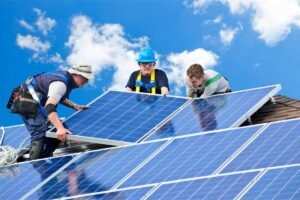
Solar panels are becoming a popular choice for homeowners and businesses looking to reduce electricity costs and adopt sustainable energy solutions. However, before making the investment, it is essential to understand several key factors that can impact performance, cost, and long-term benefits.
This article covers everything you need to know before installing solar panels so you can make an informed and confident decision.
How Solar Panels Work
Solar panels convert sunlight into electricity using photovoltaic (PV) cells. When sunlight hits these cells, it generates direct current (DC) electricity, which is then converted into alternating current (AC) through an inverter.
This electricity can be used to power your home or business, reducing reliance on traditional energy sources.
Key Factors to Consider Before Installation
1. Roof Condition and Suitability
Your roof plays an important role in solar panel performance.
- The roof should be strong and in good condition
- South-facing roofs (in most regions) receive maximum sunlight
- Adequate space is needed for installation
If your roof requires repairs, it is best to fix it before installing solar panels to avoid additional costs later.
2. Sunlight Exposure and Location
The efficiency of solar panels depends on the amount of sunlight your property receives.
- Areas with more sunlight generate more electricity
- Shade from trees or buildings can reduce efficiency
- Seasonal variations may affect output
Proper site assessment ensures optimal placement and performance.
3. Installation Costs and Budget
Solar panel installation involves an upfront cost, but it provides long-term savings.
- Cost includes panels, inverter, installation, and permits
- Prices vary based on system size and quality
- Financing options may be available
Understanding your budget helps in choosing the right system for your needs.
4. Energy Requirements
Before installation, it is important to analyze your energy consumption.
- Review your electricity bills
- Determine daily and monthly usage
- Choose a system size that meets your needs
This ensures that your solar system is efficient and cost-effective.
5. Type of Solar Panel System
There are different types of solar panel systems available:
- Grid-tied systems (connected to the main power grid)
- Off-grid systems (independent power source)
- Hybrid systems (combination with battery storage)
Each system has its own advantages, depending on your energy needs and location.
6. Government Policies and Incentives
Many regions offer incentives for solar panel installation.
- Tax credits and rebates
- Net metering programs
- Subsidies for renewable energy
These benefits can significantly reduce the overall cost of installation.
- Maintenance and Lifespan
Solar panels are durable but require basic maintenance.
- Regular cleaning to remove dust and debris
- Periodic inspections for efficiency
- Normal lifespan of 20 to 25 years
Low maintenance makes solar panels a convenient energy solution.
Choosing the Right Solar Installer
Selecting a reliable installer is essential for system performance and durability.
1. Experience and Expertise
Choose installers with proven experience and certifications.
2. Quality of Equipment
Ensure they use high-quality panels and inverters.
3. Warranty and Support
Look for warranties on both products and installation.
4. Customer Reviews
Check feedback from previous customers for reliability.
In cities like Calgary, many homeowners research providers carefully before selecting a solar installer providing the best solar panel installation in Calgary to ensure long-term efficiency and proper system setup.
Benefits of Planning Before Installation
Proper planning ensures maximum return on investment.
- Optimized system performance
- Reduced unexpected costs
- Better energy efficiency
- Faster payback period
Taking time to evaluate all factors leads to better outcomes.
Common Mistakes to Avoid
Before installing solar panels, avoid these common mistakes:
- Ignoring roof condition
- Choosing the cheapest option over quality
- Not analyzing energy needs
- Overlooking warranties and service agreements
Avoiding these mistakes can save money and improve system performance.
Long-Term Considerations
Solar panels are a long-term investment, so it is important to think ahead.
- Future energy needs may increase
- Battery storage may be added later
- Technology upgrades may be available
Planning for the future ensures your system remains efficient and relevant.
Frequently Asked Questions
1. How do I know if my home is suitable for solar panels?
Your home should have a strong roof, good sunlight exposure, and enough space for installation.
2. Are solar panels worth the investment?
Yes, they reduce electricity bills and provide long-term savings, making them a cost-effective solution.
3. How long does installation take?
Installation usually takes a few days, depending on system size and complexity.
4. Do solar panels work during winter or cloudy days?
Yes, but efficiency may be lower compared to sunny conditions.
5. What maintenance is required?
Basic cleaning and occasional inspections are sufficient to maintain performance.
Conclusion
Installing solar panels is a smart decision for both financial savings and environmental sustainability. However, careful planning and understanding of key factors, such as roof condition, sunlight exposure, costs, and system type, are essential before making the investment.
By considering these important aspects, you can ensure a successful installation that delivers long-term benefits, energy efficiency, and peace of mind.