Eyebrow embroidery has emerged as a popular cosmetic procedure, offering individuals a semi-permanent solution to achieve perfectly shaped, defined brows. As this trend gains momentum, it is essential for prospective clients to understand the intricacies of the process before committing. Looking for eyebrow embroidery services in Singapore that deliver natural, long-lasting results? Erabelle offers expertly crafted brows tailored to enhance your unique facial features. This article serves as a comprehensive guide, addressing crucial aspects of eyebrow embroidery, including the techniques involved, potential risks, aftercare requirements, and how to choose a qualified technician. Proper preparation and knowledge can significantly influence your experience and results, ensuring that you achieve the desired aesthetic without unexpected complications. Whether you are seeking to enhance sparse eyebrows, correct asymmetry, or simply achieve a polished look, understanding the fundamentals of eyebrow embroidery is vital. By familiarizing yourself with the procedure and its implications, you can make an informed decision that aligns with your beauty goals. As we delve into the details, we will also highlight important considerations such as suitable skin types, cost factors, and longevity of results. This guide aims to equip you with all the essential information necessary for a successful eyebrow embroidery journey, empowering you to embrace this transformative beauty treatment with confidence.
Understanding eyebrow embroidery procedures and techniques
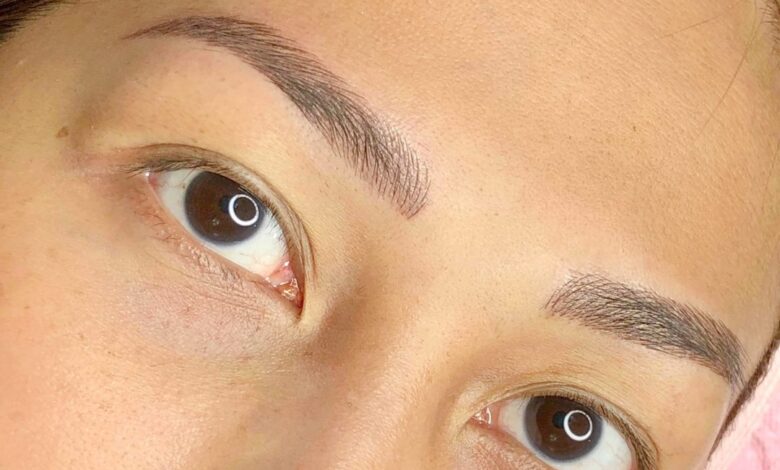
Eyebrow embroidery is a semi-permanent cosmetic procedure that utilizes a specialized technique to enhance the appearance of eyebrows. This process typically involves the use of a fine blade or needle to deposit pigment into the upper layers of the skin, mimicking the natural hair strokes of eyebrows. Techniques such as microblading, which employs a manual method to create hair-like strokes, and ombre shading, where a gradient effect is achieved for a softer look, are among the most popular. Each technique serves different aesthetic goals, allowing for a customizable approach that can accommodate various styles and preferences.
Before undergoing the procedure, it is essential to consult with a trained professional who can assess your facial structure, skin type, and desired outcome. A thorough discussion about the healing process, maintenance, and potential risks is crucial to ensure that clients have realistic expectations. Additionally, proper aftercare following the procedure is vital to achieving the best results and prolonging the longevity of the embroidery. Understanding the nuances of these techniques can significantly influence the final appearance and satisfaction with the overall outcome.
Assessing your skin type and sensitivity
Understanding your skin type and sensitivity is a vital step in preparing for eyebrow embroidery. Different skin types oily, dry, combination, and sensitive respond uniquely to cosmetic procedures, influencing the outcome and longevity of the pigments used. For instance, individuals with oily skin may find that the pigment fades faster, while those with dry skin may experience more pronounced results. Sensitivity also plays a critical role; delicate or reactive skin may require specific pre-treatment protocols and aftercare to minimize irritation and ensure optimal healing.
To accurately assess your skin type, consider factors such as oiliness, dryness, and any history of allergic reactions or skin conditions. A professional consultation can aid in this evaluation, allowing the technician to tailor the procedure to your individual needs. Additionally, conducting a patch test prior to the actual treatment can help identify any potential sensitivities to the pigments or anesthetics used during the procedure, ensuring a safer and more effective experience.
Choosing the right technician for you
Selecting the right technician is crucial to achieving the desired results from your eyebrow embroidery procedure. Look for a professional with extensive training and experience specifically in eyebrow embroidery, as well as a portfolio showcasing their previous work. It’s important to read reviews and testimonials from past clients, as these can provide insight into the technician’s skill level, professionalism, and ability to communicate effectively. A technician who listens to your preferences and understands your unique facial features will be better equipped to deliver a tailored outcome that enhances your natural beauty.
During consultations, don’t hesitate to ask about the techniques they use, the types of pigments applied, and their aftercare recommendations. A qualified technician should be transparent about the process and willing to address any concerns you may have. Additionally, consider their hygiene practices, as a clean and sanitized environment is essential for preventing infections and ensuring a safe experience. By taking the time to carefully choose a technician who aligns with your needs, you can feel confident in the decision and enjoy beautiful, well-defined brows.
Aftercare tips for optimal results
Proper aftercare is essential to ensure the longevity and vibrancy of your eyebrow embroidery results. Immediately after the procedure, it is important to avoid touching the treated area to minimize the risk of infection and preserve the integrity of the pigments. Keeping the eyebrows clean and dry is crucial; avoid water, steam, and heavy sweating for at least a week to allow the skin to heal properly. Applying a thin layer of a recommended aftercare ointment can help soothe the area and provide a protective barrier against bacteria.
In the following weeks, be mindful of sun exposure and consider wearing a broad-spectrum sunscreen to prevent fading of the pigments. Refrain from using any harsh skincare products, exfoliants, or makeup on the brows until they are fully healed, typically around four to six weeks. Additionally, scheduling a follow-up appointment with your technician for a touch-up can enhance the results and address any areas that may need more pigment for an even finish. Taking these steps will not only aid in the healing process but will also help achieve the most satisfying, long-lasting outcome.
Potential risks and side effects involved
Undergoing eyebrow embroidery carries certain risks and potential side effects that individuals should be aware of before committing to the procedure. Common issues include allergic reactions to the pigments or anesthetics used, which can result in redness, swelling, or an itchy sensation. In some cases, infections may occur if proper sanitation and aftercare protocols are not strictly followed. Additionally, there is a possibility of scarring or changes in skin texture if the skin reacts adversely to the tattooing process.
Furthermore, individuals with certain pre-existing skin conditions, such as eczema or psoriasis, may experience exacerbation of their symptoms following the procedure. It is also essential to note that the results may vary based on skin type and lifestyle factors, potentially leading to uneven pigmentation or fading over time. Consulting with a qualified technician and discussing any health concerns prior to the procedure can help mitigate these risks and ensure a safer experience.
Conclusion
Eyebrow embroidery can be a transformative beauty procedure that enhances your natural features and simplifies your daily routine. However, it is essential to approach this decision with careful consideration and thorough research. By understanding the different techniques, potential risks, and aftercare requirements, you can make an informed choice that aligns with your aesthetic goals. Consulting with a qualified and experienced professional is crucial to ensure the best possible outcome. With the right preparation and expectations, eyebrow embroidery can provide you with beautifully defined brows that elevate your look for months to come.