Comparing Korean vs. European Dermal Fillers: What Aesthetic Practitioners Need to Know

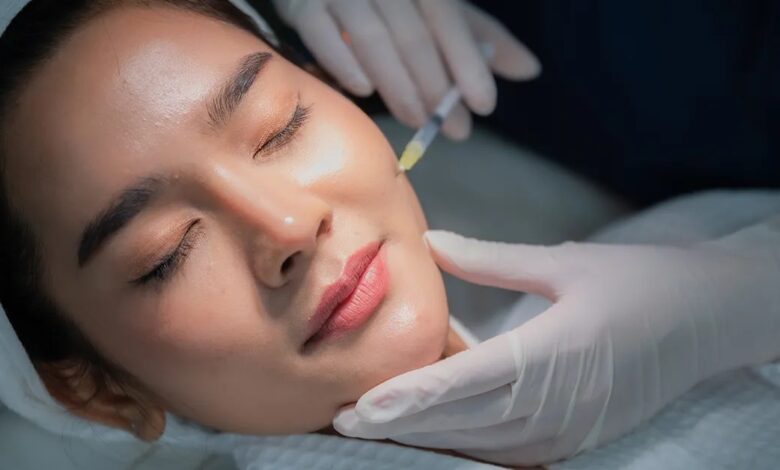
The global dermal filler market has evolved dramatically over the past decade, with Korean manufacturers emerging as significant players alongside established European brands. For aesthetic practitioners building their product portfolios, understanding the differences between these options has become increasingly important. Both Korean and European dermal fillers offer quality solutions for facial rejuvenation, but they differ in formulation approaches, regulatory pathways, clinical evidence, pricing structures, and market positioning. Making informed decisions about which products to stock requires looking beyond marketing claims to understand these fundamental differences.
Manufacturing Technology and Formulation Approaches
European dermal filler manufacturers have historically emphasized longer development cycles and conservative innovation, with brands like Restylane, Juvéderm, and Teosyal investing heavily in proprietary cross-linking technologies and molecular optimization. These manufacturers typically focus on creating distinct products for specific indications, resulting in extensive product lines that address various facial areas and desired outcomes with specialized formulations.
Korean manufacturers have often adopted a different approach, leveraging advanced manufacturing capabilities to create products that compete on both quality and value. Korean technology development has emphasized efficiency, producing hyaluronic acid fillers with competitive characteristics at more accessible price points. Many Korean brands have focused on creating versatile products that can address multiple indications, potentially simplifying inventory for practices that prefer streamlined product portfolios.
The cross-linking technology used in hyaluronic acid fillers represents a key technical differentiator. European manufacturers have developed various proprietary technologies—Galderma’s NASHA technology, Allergan’s Vycross technology, Teoxane’s RHA technology—each designed to optimize specific performance characteristics like cohesivity, elasticity, or integration with tissue. Korean manufacturers have developed their own cross-linking methods, sometimes licensing European technology and sometimes creating novel approaches that achieve similar clinical outcomes through different chemical processes.
Regulatory Pathways: KFDA vs. CE Marking and MDR
Understanding regulatory differences between Korean and European dermal fillers matters significantly for practices operating in regulated markets. Korean domestic market approval comes through the Korean Ministry of Food and Drug Safety (MFDS, formerly KFDA), which maintains rigorous standards for safety and efficacy. Korean manufacturers seeking European market access must obtain CE marking and now comply with the Medical Device Regulation (MDR), which has proven challenging for many manufacturers globally.
The MDR transition has created notable differentiation in the Korean filler landscape. Established Korean brands with strong European market presence invested substantially in achieving MDR compliance, demonstrating their commitment to meeting the highest regulatory standards. Some smaller Korean manufacturers have struggled with MDR requirements, leading to market exits or delays in European availability. For practitioners, this means that Korean fillers available through legitimate European channels have undergone the same stringent regulatory scrutiny as European brands.
Practitioners must be cautious about grey market products—Korean fillers imported through unauthorized channels without proper European regulatory clearance. These products may carry Korean approval but lack the CE marking and MDR compliance required for legal use in European markets. Using non-compliant products creates significant liability risk and violates professional standards, regardless of the products’ quality or approval status in their origin market.
Clinical Evidence and Longevity Considerations
European dermal filler brands typically offer extensive clinical evidence, with some products backed by dozens of published studies spanning years or even decades of use. This deep evidence base provides practitioners with detailed data on performance characteristics, longevity profiles, complication rates, and outcomes across diverse patient populations and treatment scenarios. Long-established European brands have the advantage of extensive real-world experience, with millions of treatments performed globally providing substantial safety and efficacy data.
Korean filler manufacturers have been building their clinical evidence bases more recently, though major Korean brands now have substantial published research supporting their products. The evidence for Korean fillers has grown significantly over the past decade, with increasing numbers of peer-reviewed studies demonstrating comparable outcomes to European products in many applications. However, the depth of long-term follow-up data generally favors older European brands simply due to their longer market presence.
Longevity represents a key consideration in product selection, as duration of effect impacts both patient satisfaction and practice economics. European brands often emphasize their longevity data, with premium products claiming duration of 12-18 months or longer in optimal conditions. Korean fillers generally offer comparable longevity within their product categories, though individual patient factors like metabolism, injection technique, treatment area, and lifestyle factors often influence duration as much as the product itself.
Practitioners should evaluate clinical evidence critically, looking beyond manufacturer claims to peer-reviewed research and, when possible, their own clinical experience. Building familiarity with products from both Korean and European manufacturers allows practices to develop evidence-based protocols that optimize outcomes while managing costs effectively.
Price-to-Performance Analysis
Cost considerations play a significant role in product selection for many practices, particularly those serving price-sensitive markets or seeking to expand access to aesthetic treatments. Korean dermal fillers typically offer lower per-unit costs than comparable European products, sometimes by 20-40% or more depending on the specific brands and products compared. This pricing advantage stems from lower manufacturing costs, different market positioning strategies, and competitive dynamics in the Korean domestic market.
However, price-to-performance analysis must consider factors beyond simple per-unit cost. Product characteristics that affect value include injection ease and user experience during treatment, particle consistency and product homogeneity, cohesivity and moldability during placement, integration with surrounding tissue, swelling profile and downtime for patients, longevity and retreatment intervals, and patient satisfaction with aesthetic outcomes.
Many practices find success in using both Korean and European products strategically within their service offerings. For instance, some practitioners stock premium European brands for patients who specifically request them or for applications where they have the most experience and confidence. Simultaneously, they may offer quality Korean alternatives for price-conscious patients or use them in high-volume applications where cost efficiency matters more. For practitioners looking to stock both Korean and European brands, B2B wholesalers like Bioresus offer comprehensive catalogs that enable sourcing diverse product portfolios through consolidated relationships, simplifying inventory management while providing access to competitive pricing on both Korean and European options.
Patient Preference Trends by Geographic Market
Patient preferences for Korean versus European dermal fillers vary significantly across geographic markets, influenced by cultural factors, brand awareness, aesthetic preferences, and price sensitivity. In Asian markets, Korean beauty products have achieved substantial prestige, with Korean skincare and aesthetic treatments often viewed as innovative and effective. Many Asian patients actively seek Korean dermal fillers, viewing them as aligned with Korean beauty standards that emphasize natural-looking enhancement and subtle refinement.
European markets traditionally show strong preference for established European brands, with patients and practitioners alike valuing the extensive clinical history and regulatory scrutiny these products have undergone. However, Korean products have gained acceptance in Europe as practitioners develop experience with them and as Korean brands invest in building awareness and credibility. Price-conscious European patients increasingly view Korean fillers as legitimate alternatives offering good value, particularly when economic conditions make premium pricing challenging.
Middle Eastern markets demonstrate interesting hybrid preferences, with affluent patients often preferring established European premium brands while Korean products gain traction in more price-sensitive segments. The rapid growth of the Middle Eastern aesthetics market has created space for both categories to thrive, with practitioners often maintaining portfolios that include both Korean and European options to serve diverse patient preferences and budgets.
For practices, understanding these market dynamics helps in making strategic stocking decisions. Patient demographics, local market preferences, competitive positioning, and practice philosophy all influence optimal product selection. Successful practices often educate patients about product options honestly, presenting both Korean and European alternatives as quality choices with different characteristics and price points rather than positioning one as inherently superior.
Making Informed Product Selection Decisions
Choosing between Korean and European dermal fillers need not be an either-or decision for most practices. Both categories offer quality products that can deliver excellent outcomes when used appropriately. The most successful practitioners evaluate products individually rather than making broad generalizations based on origin, considering specific product characteristics and clinical data, regulatory compliance and supply chain reliability, practice economics and target patient demographics, personal clinical experience and comfort with products, patient preferences and market positioning, and supplier support and training availability.
For practices just beginning to explore Korean fillers, starting with one or two well-established Korean brands with strong regulatory compliance and clinical evidence provides a lower-risk introduction. Many practitioners discover that Korean products perform well in specific applications or patient segments, leading them to gradually incorporate more Korean options into their portfolios while maintaining European products for other uses.
The key to successful product portfolio management lies in systematic evaluation, proper training, and honest patient communication. Practitioners should seek hands-on training with any new products, whether Korean or European, to understand their handling characteristics and optimal injection techniques. Maintaining detailed treatment records allows practices to track outcomes and patient satisfaction across different products, building an evidence base for their own clinical decision-making.
The Future of Global Dermal Filler Markets
The distinction between Korean and European dermal fillers may become less pronounced as the industry continues evolving. Korean manufacturers continue investing in clinical research, regulatory compliance, and market development that strengthen their positioning globally. European manufacturers recognize the competitive pressure Korean products create, potentially influencing their pricing strategies and innovation priorities. Cross-border collaborations, licensing agreements, and technology sharing may further blur traditional category boundaries.
For aesthetic practitioners, this competitive dynamic creates opportunities. Greater product diversity means more options for tailoring treatments to individual patient needs and budgets. Price competition benefits practices and patients by making aesthetic treatments more accessible. Innovation accelerates as manufacturers compete on both technical performance and value proposition. And the global nature of the industry ensures continued quality improvements as products must meet various regulatory standards across different markets.
Rather than viewing Korean and European dermal fillers as opposing choices, progressive practitioners recognize them as complementary options in a rich product ecosystem. By understanding the characteristics, advantages, and appropriate applications of products from both regions, practices can build versatile portfolios that serve diverse patient needs while maintaining high standards for safety, efficacy, and outcomes. The future of aesthetic medicine lies not in loyalty to particular origins but in evidence-based, patient-centered product selection that delivers excellent results regardless of where products are manufactured.