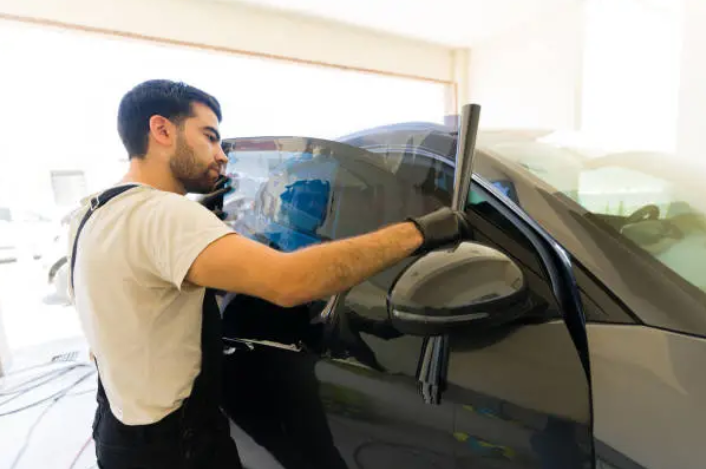
For fleet operators, automotive service providers, and managers of commercial fleets, tinting services has become a vital component of the business. Apart from the aesthetic appeal, professional tinting improves safety, reduces costs, and protects the interiors of the vehicle. For organizations that maintain a fleet of vehicles, the value and performance of the fleet are closely tied to the advantages of vehicle window tinting, the various types, installation standards, and maintenance.
Advantages of Car Tinting for Businesses
For businesses that manage fleet vehicles and provide services, vehicle window tinting has numerous benefits. These include heat reduction through the cabin windows, which alleviates the load on air conditioning units and reduces costs. For organizations based in hot climates, the operational costs and comfort level for cross-border drivers are improved as the vehicles become fuel efficient, and cabin temperatures are made cooler and pleasant.
UV protection is yet another major selling point for fleets. Fabrics, dash boards, and seats deteriorate and become unsightly when exposed to ultraviolet rays. With window tinting, the protection and maintenance costs of the vehicle interiors are reduced.
Safety ranks high as a concern for businesses. Tinted windows can help keep shattered glass contained in the event of a collision, minimizing injury risks for drivers and passengers. For commercial vehicles carrying sensitive equipment or goods, tinted windows provide additional privacy, lowering the chances of theft.
Businesses needing extra protection can combine window tinting with Clearpro windshield protection films. These films protect windshields from light debris and minor impacts, thus maintaining durability and protecting fleet vehicles from costly windshield replacements.
Types of Car Tinting Films
To ensure optimal performance and compliance, selecting the right tinting film is vital. The common ones used in the automotive industry are dyed, metallic, ceramic, and hybrid films.
- Dyed Films: These are the most affordable and are mostly for aesthetic purposes. They absorb sunlight, reduce glare, and are good for basic privacy. However, they offer minimal heat rejection and will eventually fade.
- Metallic Films: These contain tiny metallic particles, which reflect heat and UV radiation. They can, however, impede electronic signals, which in turn can disrupt GPS, radio, or mobile connections in today’s vehicles.
- Ceramic Films: These premium films reject heat and UV rays while remaining durable and signal compatible. They are perfect for commercial fleets where consistency and reliability are a priority.
- Hybrid Films: Heat rejection, glare reduction, and cost are balanced in hybrid films, which are made of dyed and metallic layers. These are a good option for companies working with mixed fleets and varying budget sizes.
Fleet vehicles can have integrated B2B Clearpro films for extra windshield protection, which serves the dual purpose of extending the life of the vehicle and minimizing the chances of unscheduled downtime or repairs.
Professional Installation vs. DIY
For commercial operations, professional installation of car tinting films is strongly recommended. Poor installation can result in unsightly bubbles and peeling, which can severely impact the function and look of the commercial vehicle.
Professional tint installers have cutting tools, and quality adhesives, and use advanced techniques to ensure the film accurately adheres to the car’s complex and curved surfaces. This is especially important in a fleet of vehicles.
Beyond standard offerings, professional services tend to include performance warranties that cover several years. Professional grade films and installation ensures that fleet vehicles’s heat reduction, UV protection, and visual clarity remains optimum. High performance solutions such as https://www.clearpro.com/es/paint-protection-film/windshield-protection-film/ further enhance this by defending both windows and windshields’ structural integrity against minor impacts and breaches.
For businesses, this reduces repair costs, minimizes vehicle downtime, and improves the overall reliability of the fleet.
Legal Compliance and Industry Standards
All commercial vehicle operators should know and follow the local legal regulations as it pertains to them. Most regions have strict rules regarding visible light transmission (VLT), which specifies the allowable darkness for front, side, and rear windows. Fines, legal action, and possibly the removal of the tint films are all consequences of non-compliance.
With the number of vehicles managed, commercial fleets are especially susceptible to compliance issues. VLT documented film types, VLT ratings, and installation dates help fleet operators be able to provide proof of compliance during inspections.
Aside from legal obligations, automotive safety standards within the industry suggest the use of high-performance films with extra protective features. Advanced solutions like Clearpro’s products go beyond compliance, offering extra protection for vehicles that operate in extreme road conditions or are exposed to road debris.
For fleet vehicles, operational efficiency is maintained, and the business’s liability is reduced when all vehicles meet the legal and safety standards.
Maintenance and Longevity of Car Tinting
To maximize the lifespan of the tinting films, proper maintenance is fundamental, especially in the case of commercial fleets that are heavily utilized. The main maintenance actions are:
- Cleaning: Use microfiber cloths and ammonia-free cleaning solutions. The films can scratch or degrade, and harsh chemicals and abrasive materials can damage the protective layer.
- Inspecting: Look for peeling, bubbling, and discoloration. Quickly repairing minor issues prevents them from escalating into major ones.
- Avoiding Sharp Objects: Sharp objects used near tinted surfaces, careless loading and unloading of cargo, and even rough seatbelt use can cause damage.
- Environmental Management: Avoid extreme temperature variations when possible, as the glue holds the tints and abrupt changes may cause the tints to bubble or warp.
For fleet operators, cost saving and increased operational life of the vehicles relies on the scheduling of regular inspections and maintenance for window tints. The installation of protective films, like Clearpro windshield solutions, will reduce the frequency of windshield damages, thus lowering downtime and the additional windshield replacement costs.
Conclusion
For the strategic investment of fleet or commercial vehicle management, the benefits of operational cost reductions and extended vehicle life are realized through the reduction of heat, privacy and safety, and the additional benefits of UV protection. Commercial vehicle tinting elevates the value of the service. The benefits will be maximized through the selection of appropriate tinting film, professional installation, maintenance, legal adherence and proper film type selection.
For B2B use, additional solutions like Clearpro windshield protection films integrate modern technology for durability and safety. Superior quality tints used in conjunction with protective films will greatly enhance fleet efficiency, reduce upkeep costs, and enhance operational efficiency.