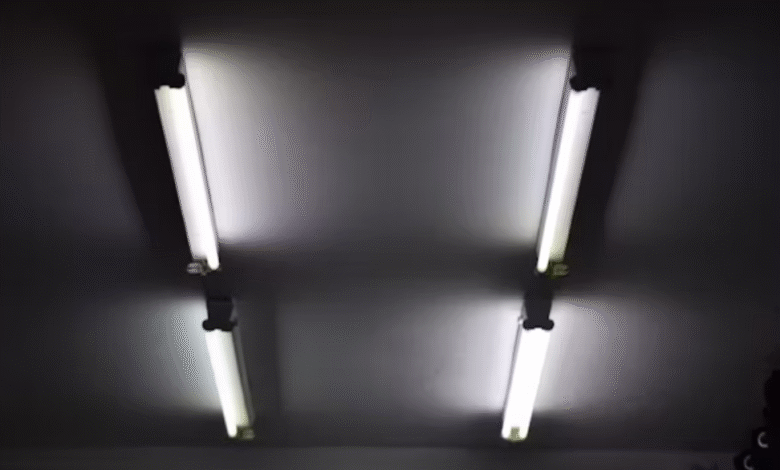
In a market where businesses compete to attract customers, the value of a well conceived lighting plan for both homes and offices cannot be overemphasized. Recessed lighting, downlighting, and can lighting provide the look modern and sophisticated while offering great value for the attention of architects, interior designers and facility managers. For businesses styling the B2B segment like real estate development, commercial property management and interior design, expertise in the value offering of recessed lighting will prove key.
Here, we outline the most innovative recessed lighting ideas, the basic principles of installation, and what to consider when transforming a space to achieve its intended design functionality and form. In the course of designing related lighting projects, facility managers are often left to answer the question, why are my brand new solar lights not working. This is a phenomenon within solar lighting that we will explain in the rest of the article.
Understanding the Advantages of Recessed Lighting
There are multiple reasons why recessed lighting is one of the most popular and chosen lighting for homes and offices:
- Clean and Modern Aesthetic – They simply blend in with the ceiling and do not compete for attention like chandeliers and pendant lights do.
- Even Light Distribution – Recessed lighting eliminates the formation of dark and shadowy areas in a room.
- Energy Efficiency: Businesses appreciate the reduced operational costs associated with modern recessed LED lighting as it consumes markedly less energy than older lighting technology.
- Flexibility: They may be used in kitchens, offices, conference rooms, retail, corridors, and even outside.
There is no doubt that recessed lighting for commercial spaces affects customers, the working population, and the atmosphere as a whole. For homes, it adds to the beauty, coziness, and adaptability with lighting control.
Smart Strategies for the Best Results
Spacing and placement of recessed lighting is crucial to design. Ineffective spacing and placement can cause uneven lighting, excessive glare, and energy loss. Some suggestions on spacing and placement include:
- Living Rooms and Lounges: Recessed lights should be evenly spaced and placed on the perimeter, while the focals should be accentuated lights on the art and clustered furniture.
- Kitchens: Task lights above counters and sinks should be used to make the space more functional. Recessed lights with adjustable trims can be used to direct light where it is most.
- Offices and Commercial Spaces: Ensure even placement across the workspace to reduce unproductive shadow areas.
- Retail Spaces: Use a mix of accent and ambient light to recessed light to showcase customer paths, key displays, and shelves.
For businesses that manage a number of different sites, the same layout guide for recessed lighting installations will provide uniformity and will save costs.
Creative Designs for Recessed Lighting
Gone are the days of only simple, rounded recessed lighting fixtures. With the right design, commercial and residential spaces can be improved greatly. Some of these include:
- Adjustable Recessed Fixtures: These are perfect for accent lighting in galleries, retail, and office spaces and are ideal for recessed lighting. They can be turned to spotlight different features.
- Shallow or Low-Profile Recessed Lights: These are perfect for areas with low ceilings. They will be sleek, provide adequate lighting, and satisfy any low height clearance.
- Integrated LED Recessed Systems: These modern systems come with the option of tunable and dimmable lighting to provide varying levels of brightness which can be changed to adapt to different lighting needs of the business.
- Decorative Trims: Lighting can also be designed to be functional, while also adding to the beauty of the designed space with architecture.
With these features B2B buyers can enhance the spaces for the improved satisfaction of tenants and their brand.
Common Challenges and Troubleshooting
Like most things, recessed lighting comes with challenges. For some new solar lights, the lighting will also be questioned in new projects.
Identifying the core causes of problems can enhance the dependability of solar and conventional lighting setups:
- Battery or Power Problems: In solar lighting, poorly designed or installed batteries are commonplace. Conversely, recessed lighting systems must have compatible drivers for the LEDs to perform adequately.
- Wrong Wiring: Lights not working properly can stem from incorrect wiring, connections, or polarity issues.
- Environmental Conditions: Strong moisture, extreme heat, or dirt buildup, notably in commercial outside areas, can affect the performance of systems.
- Faulty Sensors: Daylight or motion detectors in solar or recessed lighting systems might require fixing or changing.
These problems can be predicted to help managers and designers properly reduce maintenance expenses and guarantee uninterrupted performance.
Smart Systems and Recessed Lighting
In commercial and high-end residential areas, the primary aim of lighting technology is smart and interlinked systems. Recessed lighting holds the potential to automatically integrate with smart control systems for buildings and provide:
- Automatic Dimming: Lights can be programmed to change in intensity during certain times, based on the presence of people, and in relation to natural light to lower energy spend.
- Scene Control: Tailored lighting can be established for particular uses such as meetings, lobbies, and dining in a restaurant, or lounging in a residential space.
- Light Control on the Go: Managers can maintain efficiency of operations by monitoring and adjusting lighting actively from a distance.
- Sustainability Benefits: Using a combination of LED recessed lights, solar-powered lights, and smart sensors can significantly minimize energy usage, which helps attain green building certifications.
Smart systems integration significantly improves customer experience and offers a tangible return on investment to property developers, retail operators, and facility managers.
Key Considerations for B2B Buyers
When businesses purchase recessed lights, the following key factors should guide them in making decisions about procurement and installation:
- Quality and Longevity: Focus on quality LED fixtures of high longevity with low heat output and little to no upkeep.
- Compliance: Conform with local electric code regulations, commercial safety regulations, and energy saving regulations.
- Cost-Benefit Analysis: Consider the energy savings and reduction of upkeep costs over the lifespan of the installation against the initial investment.
- Customization Options: Suppliers with adjustable trims and beam angles that integrate with smart systems for your projects should be prioritized.
- Professional Installation: Installation should be done by certified electricians and lighting designers for optimal placement, wiring, and integration.
Having these considerations will ensure an investment delivers high value as it should, avoiding future problems such as inconsistent lighting and underperformance.
In conclusion, the aesthetic flexibility and energy efficiency of recessed lighting can enhance the look of any space, whether it is residential or commercial. For B2B buyers, the focus is on the appropriate smart systems that improve the interplay of fixtures and their spatial arrangement. Having insight into possible issues, like why are my brand new solar lights not working, helps facility managers and designers respond and keep system lighting aligned to business operations.
The best recessed lighting ideas improve the look and functionality of the work environment, leaving positive impressions on clients and users, attracting clientele, and redefining work.