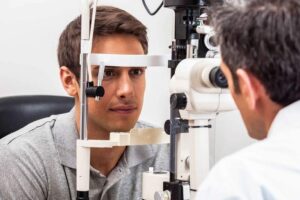
Cataracts are a common age-related eye condition that causes the natural lens of the eye to become cloudy, leading to blurred vision, glare, and difficulty performing everyday tasks, such as reading or driving. Cataract surgery is the most effective treatment, and advancements in medical technology have introduced laser-assisted techniques that improve surgical precision and recovery time.
Laser-assisted cataract surgery uses computer-guided laser technology to perform several important steps of the procedure with high accuracy. This approach can help reduce tissue trauma, improve surgical outcomes, and support a smoother healing process.
Understanding how this modern technique works can help patients make informed decisions about cataract treatment and recovery.
Understanding Cataracts and Their Impact on Vision
A cataract occurs when proteins in the eye’s natural lens break down and clump together, causing the lens to become cloudy. Over time, this cloudiness blocks or scatters light entering the eye, resulting in reduced visual clarity.
Common Symptoms of Cataracts
People with cataracts may experience:
- Blurred or cloudy vision
- Sensitivity to light or glare
- Difficulty seeing at night
- Faded or yellowed colors
- Frequent changes in glasses prescription
Cataracts generally develop gradually and may eventually interfere with everyday activities.
Cataract surgery removes the cloudy natural lens and replaces it with an artificial intraocular lens (IOL), restoring clearer vision. Studies show that cataract surgery improves vision for the majority of patients and is considered a safe and effective procedure.
What Is Laser-Assisted Cataract Surgery?
Laser-assisted cataract surgery is an advanced version of traditional cataract surgery that uses femtosecond laser technology to perform key surgical steps.
Instead of relying solely on manual surgical instruments, the laser helps create precise corneal incisions, soften the cataract, and prepare the eye for lens replacement.
How the Procedure Works
The laser technology performs several tasks during the surgery:
- Creating precise incisions in the cornea
- Opening the lens capsule that surrounds the cataract
- Breaking up the cloudy lens into smaller fragments
- Preparing the eye for artificial lens placement
Computer-guided imaging helps map the eye’s structure and guide the laser with high precision.
Because the laser softens the cataract before removal, surgeons may use less ultrasound energy during the procedure, which can reduce stress on surrounding eye tissues.
Key Benefits of Laser-Assisted Cataract Surgery
Laser-assisted cataract surgery offers several advantages compared with traditional methods.
1. Greater Precision and Accuracy
One of the major benefits of laser technology is its ability to create highly accurate surgical incisions.
The laser can produce a perfectly circular opening in the lens capsule, which helps ensure better positioning of the artificial lens. This precision can improve visual outcomes and consistency in surgery.
Advanced imaging systems also allow surgeons to customize the procedure according to each patient’s eye structure.
2. Faster Recovery Time
Many patients experience faster visual recovery after laser-assisted cataract surgery.
Because the laser softens the cataract before removal, less energy is required during the procedure. This may lead to reduced swelling and quicker healing after surgery.
Lower tissue trauma and more controlled surgical steps contribute to a smoother recovery process.
3. Reduced Eye Trauma During Surgery
Traditional cataract surgery relies on manual instruments and ultrasound energy to break up the cloudy lens. Laser-assisted surgery reduces the amount of ultrasound needed, which may decrease inflammation and stress on the eye.
Reduced trauma to eye tissues can help support a more comfortable recovery period.
4. Improved Safety and Surgical Control
Computer-guided laser systems create a detailed three-dimensional map of the eye before surgery begins. This allows surgeons to plan each step with greater accuracy and control.
The enhanced precision helps reduce the risk of uneven incisions or complications during the procedure.
This level of control is especially helpful in complex cataract cases.
5. Better Visual Outcomes
The ultimate goal of cataract surgery is to restore clear vision. Laser-assisted technology can improve lens placement accuracy and overall visual results.
Accurate positioning of the intraocular lens can help correct refractive errors and improve visual clarity after surgery.
Some patients may also experience reduced dependence on glasses following surgery.
People exploring advanced eye care options in major cities like Mumbai commonly search for facilities offering bladeless cataract surgery in Mumbai and providing laser-assisted techniques designed to enhance surgical precision and recovery.
What to Expect During Recovery
Recovery after cataract surgery is usually smooth, but patients should follow their doctor’s instructions carefully.
Immediately After Surgery
Most procedures are performed on an outpatient basis, meaning patients return home the same day.
Common short-term symptoms may include:
- Mild irritation
- Light sensitivity
- Temporary blurry vision
These symptoms usually improve within a few days.
Full Healing Timeline
Although many people notice improved vision within a few days, complete healing may take several weeks. Doctors usually prescribe eye drops to prevent infection and reduce inflammation during recovery.
Avoiding eye rubbing, heavy lifting, and dusty environments during the early recovery phase helps protect the healing eye.
Who May Benefit from Laser-Assisted Cataract Surgery?
Laser-assisted cataract surgery may be recommended for individuals who:
- Have moderate to advanced cataracts
- Want precise lens placement with advanced intraocular lenses
- Have astigmatism that may be corrected during surgery
- Prefer a technologically advanced surgical approach
However, not every patient requires laser-assisted surgery. An eye specialist will evaluate overall eye health and determine the most suitable treatment method.
Frequently Asked Questions
Is laser-assisted cataract surgery safe?
Yes, cataract surgery is generally safe and widely performed. Laser-assisted techniques add precision and may help improve surgical control and recovery.
How long does recovery take after laser cataract surgery?
Many people notice improved vision within a few days. Full recovery usually occurs within a few weeks depending on individual healing.
Is laser cataract surgery painful?
The procedure is generally painless. Numbing eye drops are used, and patients may feel mild pressure but not pain during surgery.
Can cataracts come back after surgery?
The cataract itself cannot return because the cloudy lens is removed. However, some patients may develop a condition called posterior capsule opacification, which can be treated easily with a laser procedure.
Will I still need glasses after surgery?
Some individuals may still need glasses for reading or certain activities, depending on the type of intraocular lens used.
Conclusion
Laser-assisted cataract surgery represents a significant advancement in modern eye care. By combining computer-guided imaging with precision laser technology, the procedure allows surgeons to perform delicate steps with greater accuracy.
This approach can reduce tissue trauma, improve surgical outcomes, and support faster recovery for many patients. While both traditional and laser cataract surgery are effective, the enhanced precision of laser-assisted techniques offers additional benefits for individuals seeking advanced cataract treatment.
Consulting with an experienced eye specialist can help determine the most appropriate surgical option based on a patient’s vision needs and overall eye health.