How to Transform Your Outdoor Space on a $20 Budget Using Affordable Lawn and Garden Essentials

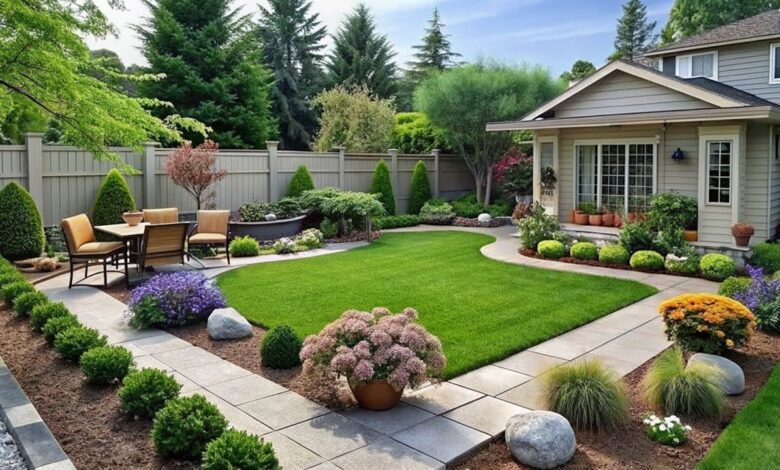
You don’t need a landscaping show budget to make your yard, patio, or sad little balcony look like you’ve got your life together. You need about twenty bucks, a trash bag, and the willingness to do the unglamorous stuff first, because the “wow” usually comes from removing chaos, not adding more stuff.
Also, let’s be honest: most outdoor spaces don’t look bad because they’re missing a $300 planter. They look bad because of messy edges, weeds doing whatever they want, and random junk that’s slowly becoming “outdoor decor” by accident. Fix that. Fast.
The “$20 Plan” (Do This Order, Not Your Usual Wandering Around)
If you only have $20, you can’t freestyle your way through five aisles and hope it works out, because you’ll end up with fairy lights, a tiny shovel that snaps, and zero actual improvement. Buy for impact, not vibes.
Here’s the order. Don’t fight it.
- Clean (free)
- Define edges (cheap)
- Kill the weeds’ vibe (cheap)
- Add one “finished” detail (mulch, a pot, or seed)
One pass of “clean + edge” makes a yard look 30% more deliberate, even if the grass is patchy and your hostas are barely hanging on. Yes, really.
Edges win.
Start With the Free Upgrade: The 12-Minute Cleanup That Changes Everything
Walk outside with a bag and pretend you’re checking into an Airbnb you paid too much for, what would annoy you immediately? That’s your list: dead leaves in corners, kids’ toys, empty pots, windblown wrappers, the mysterious broken stake that’s been there since 2022.
Remove it. All of it.
- Sweep the patio, porch, or front step (a broom is a facelift)
- Pull obvious dead annuals out of containers
- Stack what stays (pots, chairs) so it looks intentional, not abandoned
You’re not “decorating.” You’re deleting clutter.
Feels better instantly.
Your Best $20 Spend: Crisp Edging (Without Buying an Edger)
Edging is the cheapest way to fake “professionally maintained,” because the human brain loves a clean line and will forgive a lot of sins if the borders look sharp. Grass can be mediocre. Beds can be basic. But if the edge is clean? It reads as cared for.
Do this with almost nothing.
Option A: The “Manual Edge” (Free if You Own Anything Sharp-ish)
Use a flat shovel, an old spade, or a sturdy trowel and cut a shallow line where lawn meets bed or sidewalk, straight lines in front yards, gentle curves in backyards. Pull the loose grass out, toss it, and step back every few feet so you don’t accidentally carve a suspicious-looking snake.
Slow. Worth it.
Option B: The “Cheap Border That Doesn’t Look Cheap”
If you’ve got $20 and no tools, grab one of these:
- Plastic edging (not glamorous, but it’s tidy and fast)
- Brick scraps / pavers from marketplace (often free/cheap, heavier but nicer)
- Stone edging (if you find a deal, don’t pay boutique prices)
Skip the flimsy roll of landscape fabric while you’re at it. That stuff turns into shredded spaghetti and somehow makes weeds angrier.
Hard pass.
Weeds on a Budget: Don’t Go Nuclear, Go Strategic
Weed problems feel endless because people try to “finish” them in one day and then give up forever, which is how you end up with a garden bed that looks like it’s auditioning for a nature documentary. You don’t need perfection. You need visible improvement.
Aim for the top layer.
- Pull the big offenders first (dandelions, crabgrass clumps, anything tall and rude)
- Weed after rain (soil’s softer, roots slide out, you’ll hate your life less)
- Use a cheap hand weeder if you can find one under $10 (the bent metal kind, simple, effective)
About vinegar and boiling water: yes, they “work,” and also yes, they can scorch nearby plants and wreck soil biology if you get sloppy. Use them for cracks in driveway stones, not your flower bed.
Be picky.
Mulch vs. Compost (If You Can Only Afford One Bag)
Mulch makes things look finished. Compost makes things grow better. On a $20 budget, you’re buying optics first and biology second, unless your plants are truly struggling.
Pick your mission.
- Want instant “neat”? Buy mulch.
- Want healthier plants? Buy compost/topsoil.
One bag won’t cover a whole yard, so don’t spread it like you’re buttering toast, use it like makeup: concentrate it where people look. Around the front step. Along the walkway. Under one sad shrub that needs to look intentional.
Thin is fine.
Cheap mulch alternatives that actually work
- Shredded leaves (free, looks decent when chopped with a mower)
- Wood chips (sometimes free from local drop-offs)
- Grass clippings (only a light layer, and not if it’s weedy)
And please, no mulch volcanoes against tree trunks. That’s not “mulching,” that’s slow-motion murder.
Keep it off bark.
The $20 Shopping List (Pick One Track, Don’t Buy Random Stuff)
You’re not building Versailles. You’re building “tidy and cared for” with the change you found in a winter coat.
Choose one of these tracks:
Track 1: Curb Appeal Fast (Front Yard / Entry)
- 1 bag mulch (usually $4–$8)
- Hand weeder or work gloves ($5–$10)
- Dollar store twine + a few stakes ($2–$5) for flopping plants
This track screams “maintained” even if the lawn is kinda meh.
People notice it.
Track 2: Patchy Lawn Damage Control
- Grass seed (small bag) or patch repair mix ($10–$20 depending)
Don’t seed bare spots and then ignore watering for a week. That’s just donating seeds to birds with strong opinions.
Water lightly. Often.
Track 3: Patio/Balcony “Not Sad Anymore”
- One decent container (thrift, clearance, or reuse something and rinse it)
- One pack of annuals or one hardy herb (basil, mint, mint is chaotic, so pot it)
Group two small pots together and suddenly it looks designed. Spread them out and it looks like you’re storing plants.
Clump them.
Micro-Projects You Can Actually Finish in an Afternoon
1) The “Clean Line + Mulch Stripe”
Edge one garden bed, pull the visible weeds, lay one thin mulch stripe, then stop. Don’t spiral into “maybe I should redesign the whole yard” mode, because that’s how you end up on Pinterest at midnight with no mulch down.
Finish one zone.
2) The “Container Reset”
Dump dead stuff, scrub the pot, add a cheap plant, and top with a little mulch or pebbles. That top layer is the trick, bare soil makes even healthy plants look unfinished.
It’s stupid effective.
3) The “Walkway Frame”
Sweep hard surfaces, edge along the walkway, then line the edge with whatever you’ve got: brick scraps, stones, even a narrow mulch line. The walkway becomes a “feature” instead of just… concrete you step on.
Instant polish.
Lawn Basics That Make You Look Like You Know What You’re Doing (Even If You Don’t)
Mowing short doesn’t make grass healthier. It just stresses it out, invites weeds, and turns your lawn into a crispy little tantrum by mid-summer, especially in Ontario heat swings where rain is either “all week” or “good luck.”
Cut higher.
- Mowing height: aim around 3 inches (taller grass shades soil and helps it stay greener)
- Frequency: don’t scalp, trim often enough that you’re not removing half the blade
- Edges: even one clean edge pass makes the whole lawn look sharper
If you’re doing the $20 lawn patch thing, seed when temperatures are mild (early fall is a sweet spot), and keep the area damp, not flooded, not bone dry.
Consistency matters.
Pruning Without Ruining Your Shrubs (A Very Real Risk)
Cheap pruners exist, and some are fine, and some chew branches like a raccoon. If your tool feels like it’s crushing instead of cutting, stop using it, ragged cuts invite disease and make plants look worse.
Clean cuts only.
- Remove dead or broken branches first
- Snip small, obvious strays to restore shape
- Avoid hacking the whole shrub into a box unless it’s meant to be a box
If you’re nervous, prune less than you think. You can always cut more later. You can’t staple branches back on.
Ask me how I know.
Seasonal Mini-Checklists (Because Timing Saves Money)
Spring Refresh (After Winter Does Its Thing)
- Rake out debris and salt-grit near sidewalks
- Edge beds, then lightly mulch
- Prune winter damage (don’t guess, dead stuff is obvious)
Spring is all about removing the “winter mess” look. That’s the whole vibe.
Don’t overthink.
Summer Tidy-Up (The “Keep It From Sliding” Season)
- Weed little and often (10 minutes beats 2 hours of misery)
- Water containers consistently
- Deadhead flowers if you want them to keep going
Summer rewards boring routines. Annoying, but true.
Small effort wins.
Fall Cleanup (The Cheapest Way to Look Like You’re Maintained)
- Leaf cleanup (mulch some into the lawn, rake the rest)
- Final mow (still keep it not-too-short)
- Top up thin mulch in beds if you can
Fall tidy-up sets up next spring. Skipping it means spring starts with extra work and extra grossness.
Your call.
When DIY Stops Being “Cheap” (Because Time Is Also Money)
If your weekends are disappearing into weeding, edging, hauling bags, and redoing the same spots that never stay nice, you’re not really saving money, you’re just paying in hours, blisters, and quiet resentment toward your own front yard.
That’s a real thing.
And if you’re in the GTA and want the yard to stay consistently tidy (not “once a month panic tidy”), it can make sense to look at landscape maintenance in Mississauga for the heavy-lift routines like mowing, edging, bed maintenance, pruning, and seasonal cleanups.
You can still do your $20 upgrades. You just won’t be trapped maintaining them forever.
Renter-Friendly Moves (AKA: No One Loses a Damage Deposit)
You can make a rental patio look great without digging holes or building anything permanent, which is good because landlords get weird about “improvements” that aren’t theirs. Go container-heavy, keep it movable, and focus on cleanup and grouping.
Portable wins.
- Group 2–3 pots together (odd numbers look natural)
- Add a cheap outdoor mat if you find one on clearance
- Use removable hooks for string lights (only if you can do it without drilling)
Keep the footprint tight. Small spaces look better when they’re intentionally “zoned,” not scattered.
Less chaos.
The One Rule That Makes $20 Look Like $200
Spend money on what stays visible and spend effort on what creates structure, clean lines, defined beds, and a single area that looks “finished,” even if the rest of the yard is still a work in progress. That’s how you get a real before-and-after without pretending you suddenly love gardening.
One tidy zone is enough.