Debbie Abrahams: A Detailed Look at the Labour Politician’s Life and Career
Exploring Debbie Abrahams’ age, family, political journey, and influence in British politics

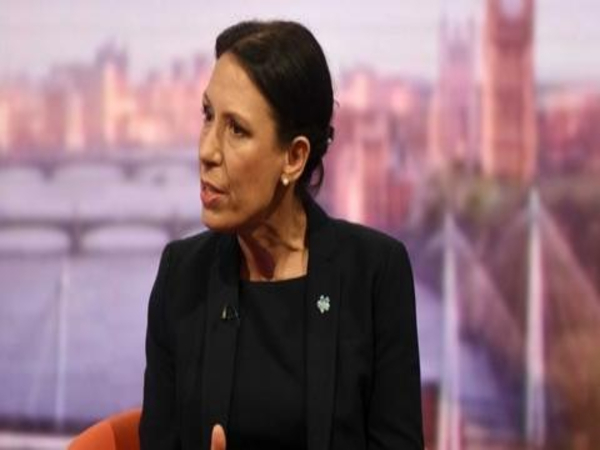
Debbie Abrahams is a British Labour Party politician who has served as the Member of Parliament (MP) for Oldham East and Saddleworth since 2011. Known for her commitment to social justice, health policy, and welfare reform, she has been a prominent figure in UK politics. Born on 15 September 1960, Abrahams has balanced her political career with a strong focus on family and community service. Her biography highlights her rise from public health professional to senior Labour politician, including her time in Jeremy Corbyn’s Shadow Cabinet between 2015 and 2018.
Introduction
In the realm of British politics, some figures are known not just for their roles in Parliament but for their dedication to causes that affect everyday people. Debbie Abrahams is one such politician. With a background in health, public service, and social equality, she has built her career on addressing issues that directly impact working-class communities. Her journey from community work to Westminster demonstrates her resilience, values, and determination to bring positive change. This article explores Debbie Abrahams’ life in detail, covering her early years, family background, parliamentary career, controversies, and key contributions. It will also address topics that many search for, including Debbie Abrahams’ age, family, net worth, and her public profile as highlighted on platforms like Wikipedia.
Debbie Abrahams Age
Debbie Abrahams was born on 15 September 1960, which makes her 64 years old as of 2024. Her age is significant when considering her long-standing involvement in politics and public service. Over the years, she has accumulated vast experience that shapes her perspectives on welfare reform, health inequalities, and social justice. Age has not slowed her dedication; instead, it has given her a seasoned approach to handling parliamentary debates and leading committee responsibilities, such as her current role as Chair of the Work and Pensions Select Committee.
Early Life and Education
Deborah Angela Elspeth Marie Abrahams was born in Sheffield, England, and grew up in a household that valued education and community service. She attended the Bolton Institute of Technology before completing a Bachelor of Science degree in biochemistry and physiology at the University of Salford. Her interest in health and wellbeing then led her to earn a Master of Education degree from the University of Liverpool.
From the start, Abrahams demonstrated a commitment to health policy and social welfare, themes that would define her future political career. Before stepping into frontline politics, she worked extensively in public health, leading projects that tackled health inequalities and promoted community wellbeing.
Professional Background Before Politics
Before becoming an MP, Abrahams worked in various health and public service roles. She was deeply involved in projects aimed at reducing health inequalities across Greater Manchester and beyond. She also held leadership roles, including chairing a Primary Care Trust, where she oversaw strategies to improve healthcare delivery.
Her professional background gave her firsthand insight into the challenges faced by disadvantaged communities, something she carried into her political life. Unlike many career politicians, Abrahams entered Parliament with years of practical experience in health and public policy.
Debbie Abrahams Family
Family has always played an important role in Debbie Abrahams’ life. She married John Abrahams in 1986, a former professional cricketer who once captained Lancashire County Cricket Club. Together, they have raised two daughters. Despite the demanding nature of political life, Abrahams has often spoken about balancing her family commitments with her role in public service.
Her family background has kept her grounded, reinforcing her belief that policies should reflect the realities faced by ordinary households. The values of fairness, resilience, and community support that shaped her upbringing are evident in the way she approaches politics today.
Political Career Beginnings
Abrahams’ first major step into national politics came when she contested the Colne Valley seat in the 2010 General Election. Although unsuccessful, her campaign raised her profile within the Labour Party. The following year, she was selected as the Labour candidate for the Oldham East and Saddleworth by-election, triggered after the previous MP, Phil Woolas, was disqualified.
On 13 January 2011, Debbie Abrahams won the seat and entered the House of Commons. Her victory marked the start of her parliamentary journey, where she quickly positioned herself as an advocate for fairness, equality, and health reforms.
Key Roles in Parliament
Since entering Parliament, Debbie Abrahams has taken on several key responsibilities:
Shadow Minister for Disabled People (2015–2016): She focused on improving rights and support systems for people with disabilities.
Shadow Secretary of State for Work and Pensions (2016–2018): She led Labour’s challenge against government welfare reforms, particularly Universal Credit.
Chair of the Work and Pensions Select Committee (from 2024): In this influential role, she scrutinises government welfare policy and ensures that decisions are accountable, evidence-based, and fair to citizens.
Her parliamentary work has centred on tackling health inequalities, welfare reform, disability rights, and poverty reduction.
Debbie Abrahams Wikipedia Profile
Debbie Abrahams has an established Wikipedia profile that summarises her biography, career, and contributions. The Wikipedia entry highlights her background in health, her election victories, and her tenure in the Shadow Cabinet under Jeremy Corbyn. It also provides details of controversies she has faced and her ongoing role as a prominent Labour MP. While Wikipedia serves as a quick reference, this article expands on the details of her life and achievements for readers seeking a more comprehensive view.
Controversies and Challenges
Like many politicians, Debbie Abrahams has faced challenges in her career. In 2018, she was suspended from her position as Shadow Secretary of State for Work and Pensions following allegations of workplace bullying. She denied the accusations, but after an investigation, she was removed from her shadow cabinet role.
Despite the setback, Abrahams continued to serve as an MP, focusing on constituency work and parliamentary responsibilities. She has also been outspoken on foreign policy issues, including her involvement in parliamentary groups on Palestine and Kashmir, reflecting her interest in global justice and human rights.
Policy Focus and Contributions
Abrahams’ contributions to British politics revolve around several core areas:
Health Inequalities – Drawing on her professional background, she has campaigned against unequal access to healthcare.
Welfare Reform – She has consistently opposed austerity-driven welfare cuts, advocating for policies that protect the vulnerable.
Disability Rights – Her work as Shadow Minister for Disabled People cemented her reputation as a champion for inclusivity.
International Human Rights – She has used her platform to highlight global human rights issues, making her influence felt beyond domestic politics.
Debbie Abrahams Net Worth
While Debbie Abrahams’ exact net worth is not publicly available, as a sitting Member of Parliament, her earnings primarily come from her MP salary and parliamentary allowances. MPs in the UK receive a base salary (around £86,000 annually as of recent years), along with resources to support their parliamentary and constituency duties. Unlike business magnates or celebrity figures, Abrahams’ wealth is modest, and her career has been rooted in public service rather than personal financial gain.
Her lifestyle reflects her commitment to politics and community service rather than accumulating wealth, which aligns with her values of fairness and equality.
Public Image and Reputation
Debbie Abrahams is widely recognised as a politician who speaks out on behalf of those who often feel voiceless. She has built her reputation around integrity, social justice, and a willingness to challenge policies she views as unjust. While controversies have tested her image, she continues to enjoy support among her constituents and colleagues who value her expertise on health and welfare issues.
Legacy and Future Outlook
With more than a decade in Parliament, Debbie Abrahams has left a lasting imprint on Labour’s approach to welfare and disability rights. Her election as Chair of the Work and Pensions Select Committee in 2024 signifies her continued relevance and influence in shaping social policy. Looking ahead, she is expected to remain a key voice in debates around welfare reforms and the future of the UK’s social safety net.
Conclusion
Debbie Abrahams’ career reflects the journey of a politician deeply rooted in community values and social justice. From her early life in Sheffield to her current role in Westminster, she has consistently advocated for fairness, equality, and improved health outcomes. Her personal story, combined with her professional achievements, demonstrates the impact of perseverance and commitment to public service.
Whether through her Wikipedia profile or her work in Parliament, Debbie Abrahams stands as a figure of resilience in modern British politics. For those interested in Debbie Abrahams’ age, family, net worth, or her political contributions, the story of her life and career provides valuable insight into a leader determined to make a difference.