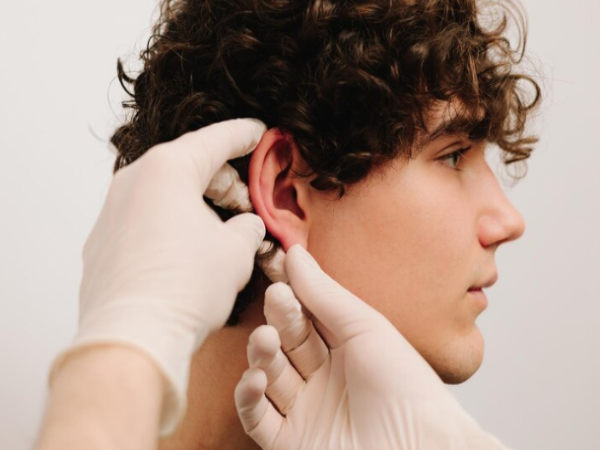
Prominent ears can sometimes make people feel self-conscious about their appearance, especially if the ears noticeably stick out from the sides of the head. This concern can affect both adults and children, often leading to a loss of confidence. Thankfully, modern cosmetic surgery offers safe and effective solutions. One of the most common procedures is ear pinning surgery in London, also known as otoplasty. This treatment reshapes and repositions the ears to achieve a more natural and balanced look.
While ear pinning is a focused procedure, it is often mentioned alongside other cosmetic surgeries, such as labiaplasty in London, which also aim to enhance confidence and personal comfort. Understanding what ear pinning involves, its benefits, and the recovery process helps patients feel more confident in their decision.
Understanding Ear Pinning Surgery
What is Otoplasty?

Ear pinning, medically referred to as otoplasty, is a surgical procedure designed to correct protruding ears. It involves reshaping or repositioning the ear cartilage so the ears sit closer to the sides of the head. The surgery is suitable for both children and adults, provided the ears have finished developing.
Why People Choose Ear Pinning
For many, prominent ears can draw unwanted attention. Children may face teasing, while adults often feel uncomfortable in social or professional settings. Ear pinning offers a permanent solution that not only improves physical appearance but also helps restore self-esteem.
The Procedure Explained
Consultation and Planning
Before surgery, a consultation with a qualified surgeon is essential. The surgeon will examine the ear structure, discuss the patient’s expectations, and recommend the best approach for achieving natural results.
Surgical Technique
The procedure is usually carried out under local or general anaesthetic, depending on the patient’s age and preference. A small incision is made behind the ear, where cartilage can be reshaped or removed. Stitches are then used to hold the ear in its new position. Because the incision is behind the ear, scarring is discreet and typically fades over time.
Duration of Surgery
Most ear pinning procedures take between one and two hours. Patients are usually able to go home the same day.
Safety and Effectiveness
Minimally Invasive with Lasting Results
Ear pinning is considered a safe surgery with a high success rate. Complications are rare when the procedure is performed by an experienced surgeon.
Natural Appearance
The goal is not to flatten the ears completely but to create a natural balance with the rest of the facial features. This ensures results look harmonious rather than artificial.
Long-Term Benefits
Unlike some cosmetic procedures that require regular maintenance, ear pinning delivers permanent improvements. Once the cartilage has healed, the ears typically maintain their new position for life.
Recovery and Aftercare
Immediate Aftercare
After surgery, the ears are usually bandaged to protect them and support healing. Patients may experience mild discomfort, swelling, or bruising, which can be managed with medication.
Returning to Daily Activities
Most adults return to work within a week, while children may return to school after one to two weeks. However, contact sports or activities that risk injury to the ears should be avoided for at least six weeks.
Long-Term Care
Following all aftercare instructions is essential for proper healing. Patients are advised to attend follow-up appointments so the surgeon can monitor progress and ensure the ears are healing correctly.
Benefits Beyond Appearance
Boost in Confidence
One of the greatest benefits of ear pinning surgery in London is the improvement in self-confidence. Many patients report feeling more comfortable in social situations, wearing hairstyles that expose the ears, and taking part in activities without worry.
Helping Children Early
When performed on children, ear pinning can prevent years of teasing or bullying, allowing them to grow up with greater confidence. Since the surgery is safe for children as young as five or six, it is often recommended at an early age if the ears cause significant distress.
Comparing Cosmetic Procedures
While ear pinning focuses on reshaping the ears, other cosmetic surgeries address different parts of the body. For instance, labiaplasty in London is a procedure designed to reshape the labia for aesthetic or functional reasons. Although the areas treated are very different, both surgeries share a common purpose: improving comfort, confidence, and quality of life.
This comparison highlights how cosmetic procedures are not just about appearance but also about helping individuals feel better in their own bodies. Whether it is ear pinning or labiaplasty, the goal remains the same—to provide safe, effective, and lasting improvements.
Choosing the Right Surgeon

Experience and Training
Selecting a surgeon with specific experience in ear pinning is crucial. Patients should look for board-certified or highly qualified professionals who regularly perform the procedure.
Personalised Approach
No two patients have the same ear structure or desired outcome. A skilled surgeon will tailor the approach to achieve results that look natural and complement the patient’s overall facial features.
Open Communication
During consultations, patients should feel comfortable asking questions about the risks, recovery process, and expected results. Clear communication ensures realistic expectations and better overall satisfaction.
Final Thoughts
Ear pinning surgery is a safe and effective way to improve ear appearance and restore balance to facial features. For both children and adults, it can relieve years of self-consciousness and create lasting confidence. With discreet scarring, minimal downtime, and permanent results, ear pinning surgery in London offers a reliable solution for those bothered by prominent ears.
While it differs greatly from procedures like labiaplasty in London, both surgeries share the same aim: to enhance quality of life by addressing physical concerns that affect confidence. Choosing an experienced surgeon, following aftercare instructions, and maintaining realistic expectations are the keys to achieving safe and satisfying outcomes.